 PlantFun
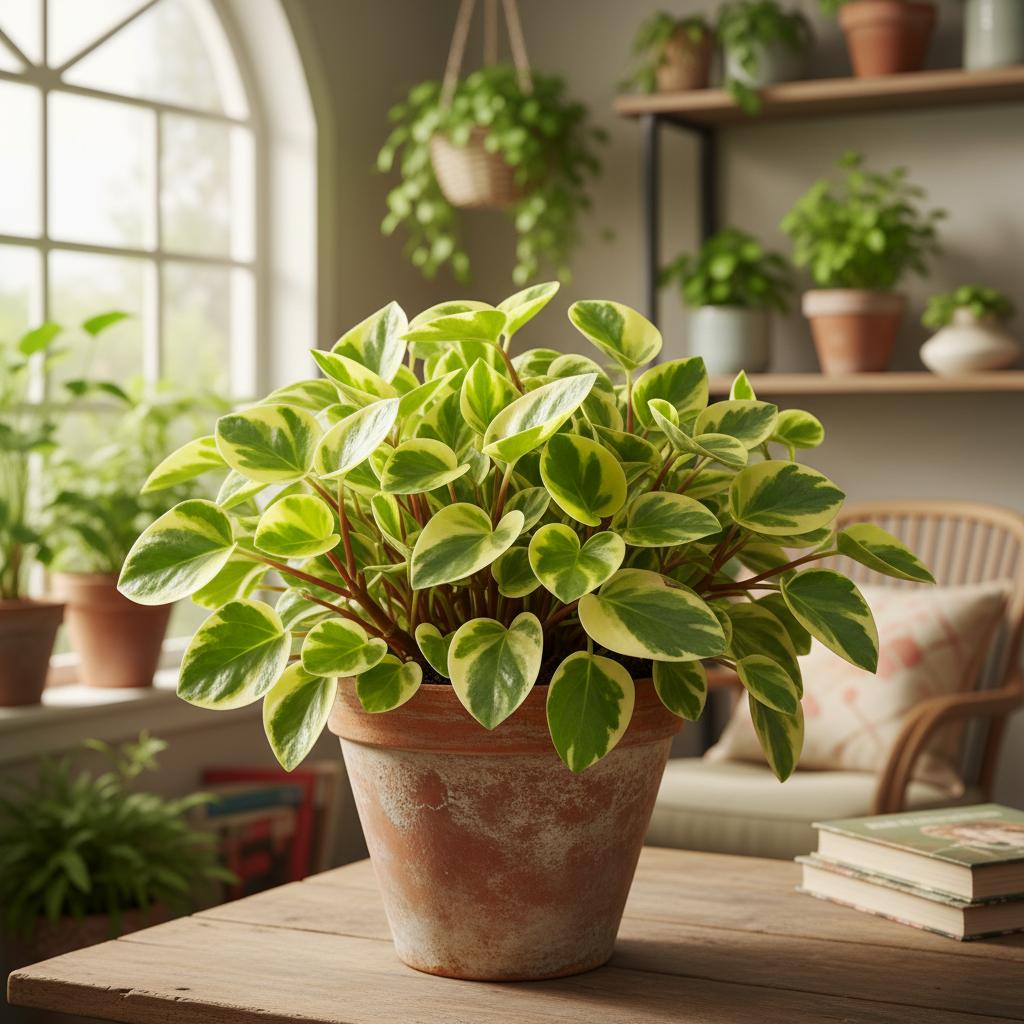
Plant Needs
Sunlight
Bright, indirect light to maintain vibrant lemon-lime variegation.
Watering
Allow the top half of the soil to dry out completely between waterings.
Temperature
Prefers warm indoor temperatures and moderate to high humidity.
Characteristics
- Leaves: Fleshy, obovate to spoon-shaped, variegated with bright chartreuse, lemon-yellow, and deep green, often with a subtle pinkish or red margin;
- Stems: Thick, succulent, reddish-brown to green, upright to slightly trailing habit;
- Flowers: Slender, rat-tail-like spikes, greenish-white, lacking true petals.
Care Guide
Watering
Water thoroughly when the top half of the soil is dry.
Fertilization
Apply a balanced, diluted liquid fertilizer.. Feed monthly during the active growing season with a diluted houseplant fertilizer.
Banana Peel Tea:Steep chopped banana peels in water for 24 hours, strain, and use the liquid to water the plant. Avoid leaving raw peels on the soil to prevent fungus gnats.Pruning
- Pinch back leggy stems in spring to encourage a bushier, more compact growth habit;
- Remove any dead, yellowing, or damaged leaves at the base of the stem;
- Wipe leaves gently with a damp cloth to remove dust and improve photosynthesis.
Toxicity
Warning: this plant may be toxic.
Pets & Humans
Pets: Non-toxic to cats per ASPCA.
Humans: Non-toxic to humans.
Garden Uses & Culture
Culture: Popularized in Western houseplant culture during the mid-20th century for its resilience, compact size, and modern aesthetic, making it a staple in mid-century modern interior design.
Usage: - Excellent for desktops, terrariums, and indoor container gardens; - Used as an underplanting in large indoor pots.