 PlantFun
Plant Needs
Sunlight
Prefers bright, indirect light; avoid harsh direct afternoon sun which can scorch the fleshy leaves.
Watering
Allow the top 50% of the soil to dry out completely between waterings. Water less frequently in winter.
Temperature
Thrives in average to warm household temperatures; protect from cold drafts below 10°C.
Characteristics
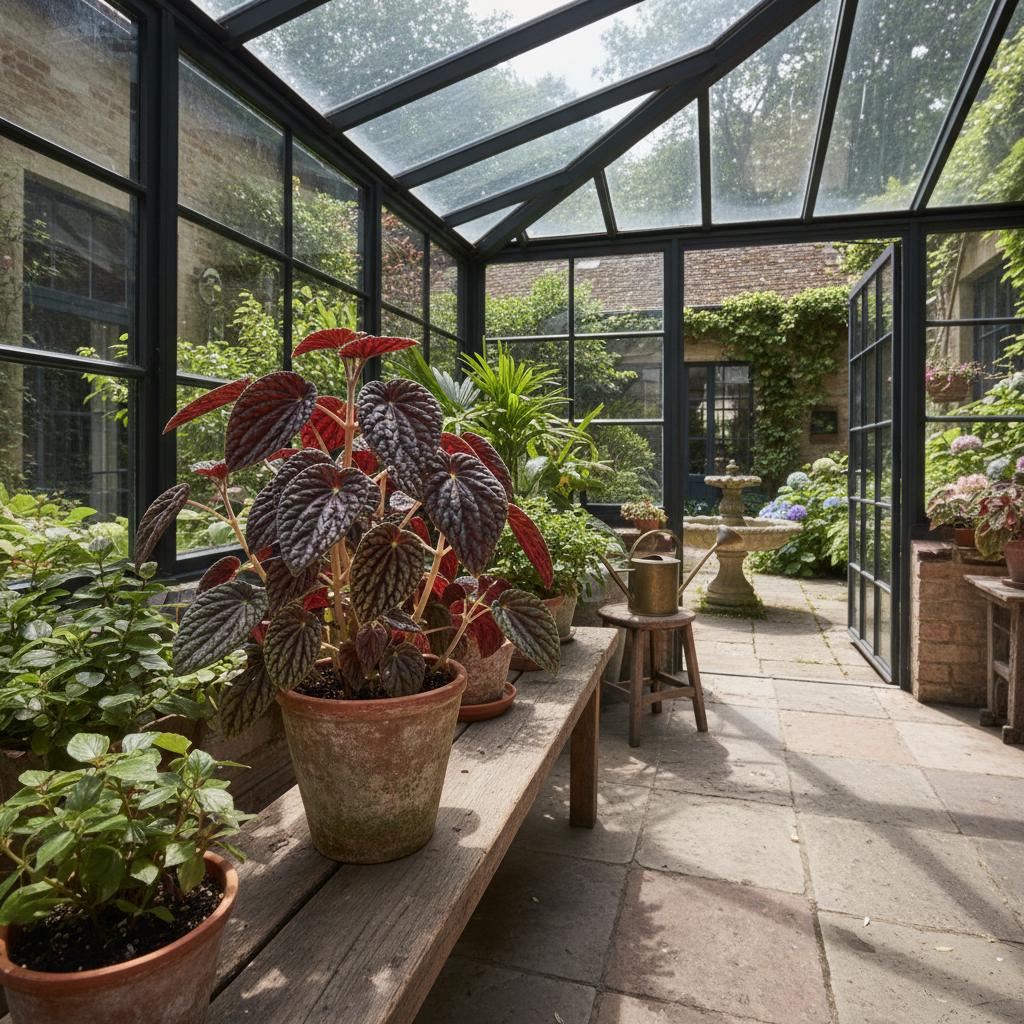
- Leaves: Fleshy, succulent leaves, often rounded to ovate, arranged in a distinct whorled or clustered pattern that gives an involucrate (bract-like) appearance at the nodes;
- Flowers: Slender, greenish-white to brown rat-tail-like spikes (spadices) lacking true petals, rising above the foliage;
- Stems: Succulent, relatively fragile, green to reddish-brown, trailing or upright depending on maturity.
Care Guide
Watering
Water thoroughly when the top half of the soil feels dry to the touch.
Fertilization
Apply a balanced, diluted liquid fertilizer once a month.. Do not fertilize during the winter dormancy period.
Banana Peel Tea:Soak chopped banana peels in a jar of water for 24-48 hours. Strain the liquid and dilute 1:1 with fresh water before applying to the soil. Discard the solid peels in compost to avoid attracting fungus gnats indoors.Pruning
- Pinch back leggy stems in spring to encourage a bushier, more compact growth habit;
- Remove any yellowing, dead, or damaged leaves at the base of the stem;
- Snip off spent flower spikes to redirect the plant's energy back into foliage production.
Toxicity
Warning: this plant may be toxic.
Pets & Humans
Pets: Non-toxic to cats per ASPCA guidelines.
Humans: Non-toxic to humans; safe to handle.
Garden Uses & Culture
Culture: In Western houseplant culture, Peperomias earned the nickname "radiator plants" in the mid-20th century due to their remarkable ability to thrive in the dry, warm air above household heating units in North American and European homes.
Usage: Excellent for desktop displays, terrariums, mixed indoor planters, and hanging baskets.