 PlantFun
Plant Needs
Sunlight
Requires bright, indirect light; avoid direct harsh sunlight which can scorch the delicate leaves and bleach the red coloration.
Watering
Requires consistent moisture and high ambient humidity (70%+), making it ideal for enclosed terrarium environments.
Temperature
Thrives in warm, stable temperatures; highly intolerant of frost or cold drafts.
Characteristics
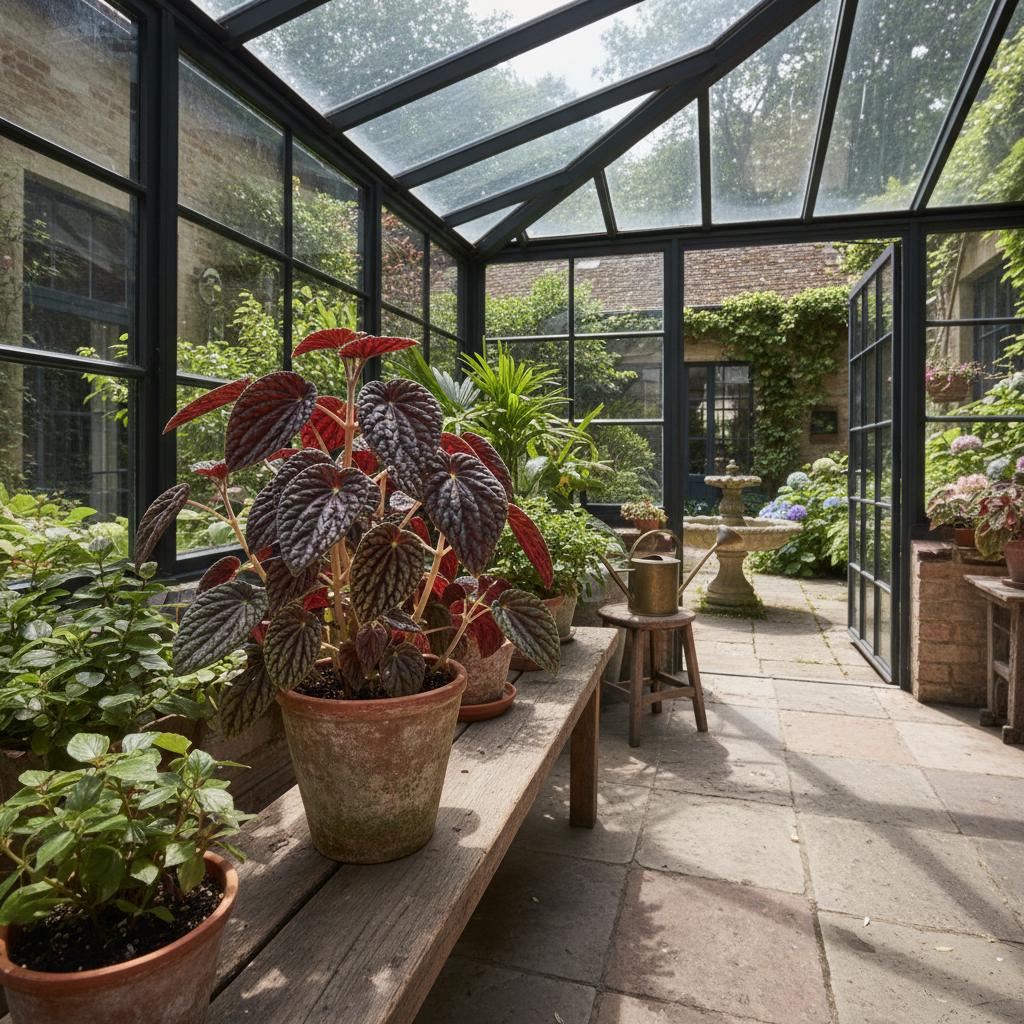
- Leaves: Small, ovate to teardrop-shaped, dark green to reddish-brown on the adaxial (upper) surface, vibrant burgundy-red on the abaxial (lower) surface;
- Stems: Thin, delicate, reddish-purple, creeping and rooting readily at the nodes;
- Flowers: Slender, greenish-white spike-like spadices (rat-tail appearance) typical of the genus, lacking showy petals;
- Roots: Shallow, fine epiphytic root system adapted to gripping bark and moss.
Care Guide
Watering
Keep substrate consistently moist but never waterlogged to prevent root rot.
Fertilization
Apply a very dilute, balanced liquid fertilizer or natural alternative.. Epiphytes require very little fertilizer; over-fertilizing can burn the delicate roots.
Aquarium Water:Use water from routine freshwater aquarium changes to gently water the plant. It provides a very mild, natural source of nitrogen perfect for sensitive terrarium plants. Avoid if aquarium water contains medications or added salts.Pruning
- Pinch back leggy stems to encourage a bushier, more compact growth habit;
- Remove any yellowing or decaying leaves promptly to prevent fungal rot in high-humidity setups;
- Propagate easily by laying stem cuttings on moist sphagnum moss.
Toxicity
Warning: this plant may be toxic.
Pets & Humans
Pets: Non-toxic to cats (per ASPCA for Peperomia genus).
Humans: Non-toxic to humans.
Garden Uses & Culture
Culture: Highly sought after in the Western vivarium and dart frog hobbyist communities for its miniature scale, which perfectly suits small glass enclosures.
Usage: - Terrariums and bioactive vivariums; - Miniature hanging baskets; - Greenhouse cabinets.