 PlantFun
Plant Needs
Characteristics
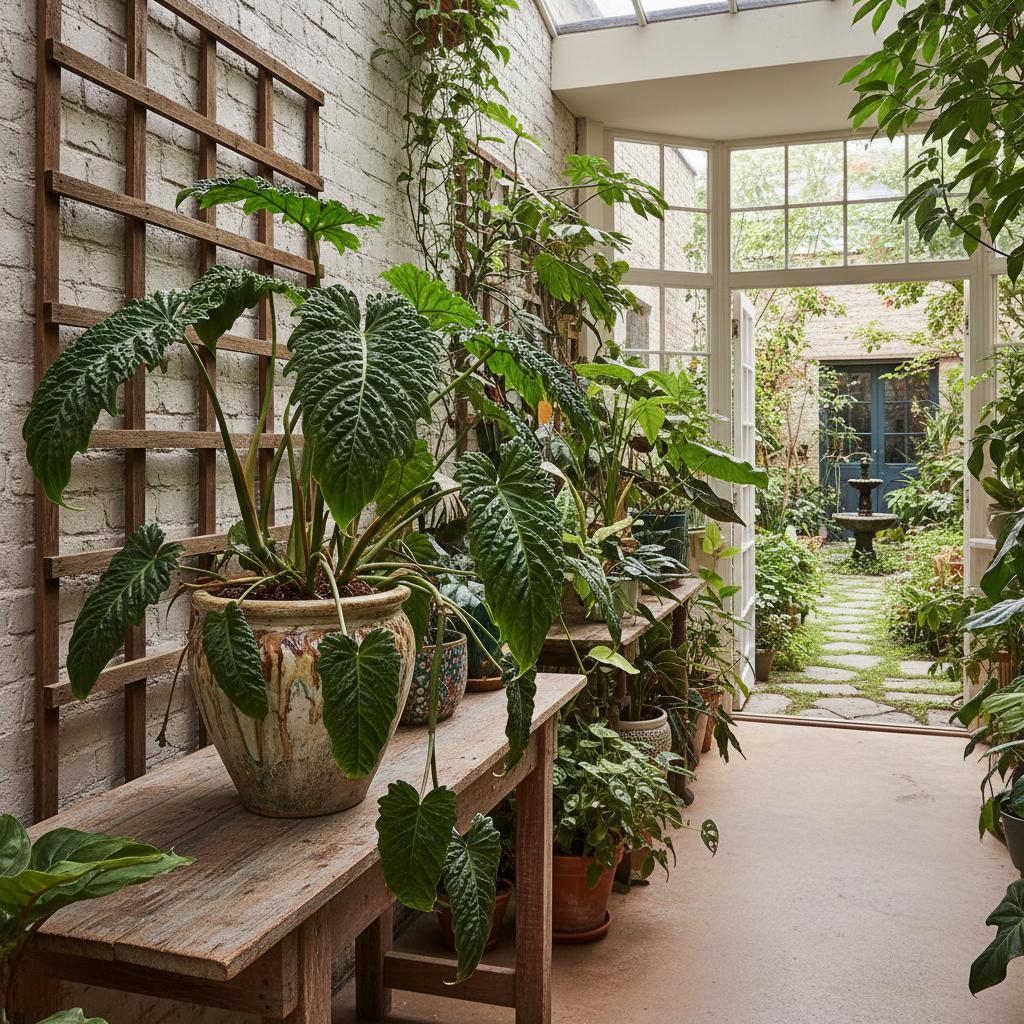
- Leaves: Heart-shaped (cordate) leaves, typically glossy green, though some varieties (like micans) have a velvety texture and bronze/reddish undersides;
- Stems: Slender, trailing or climbing vines with aerial roots emerging at the nodes;
- Flowers: Typical aroid inflorescence with a green to white spathe and white spadix, rarely seen in indoor cultivation.
Care Guide
Water thoroughly when the top half of the soil is dry.
Apply a balanced liquid fertilizer diluted to half strength.. Feed during the active growing season; pause during winter.
Banana Peel Tea:Soak chopped banana peels in water for 24-48 hours, strain, and use the liquid to water the plant. Avoid leaving solid peels on the soil to prevent fungus gnats.- Trim leggy vines just above a node to encourage bushier growth;
- Remove any yellowing or dead leaves to maintain plant health;
- Propagate stem cuttings in water or moist sphagnum moss.
Toxicity
Warning: this plant may be toxic.
Pets: Toxic (per ASPCA); contains insoluble calcium oxalates causing oral irritation, pain, and swelling of mouth, tongue and lips, excessive drooling, vomiting, and difficulty swallowing.
Humans: Mildly toxic if ingested; can cause oral irritation and contact dermatitis.
Garden Uses & Culture
Culture: Popularized in the Victorian era as a resilient parlor plant, it remains a staple in Western interior design for its adaptability and lush appearance.
Usage: Widely used as a hanging basket plant, trailing from shelves, or trained to climb a moss pole or trellis.