 PlantFun
Plant Needs
Characteristics
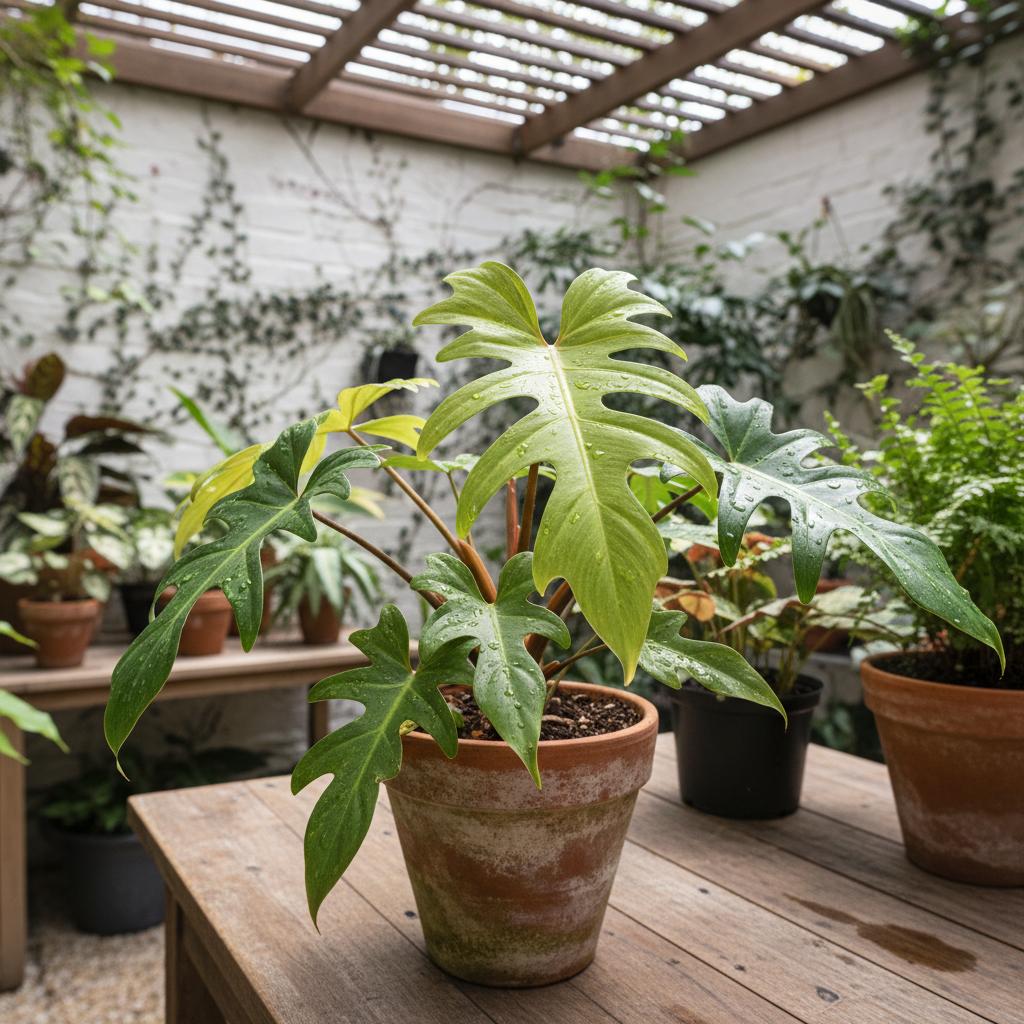
- Leaves: Elongated, lanceolate to narrowly ovate, bright green, growing in a dense, clumping rosette habit rather than vining;
- Stems: Short, mostly hidden by the dense foliage, non-climbing (self-heading type);
- Roots: Fibrous root system with occasional small aerial roots near the base.
Care Guide
Water thoroughly when the top inch of soil is dry.
Apply a balanced liquid fertilizer diluted to half strength.. Do not fertilize in winter when growth slows.
Aquarium change water:Use dirty aquarium water when doing water changes. It provides a gentle, natural source of nitrogen. Ensure the water has no added salts or chemical medications.- Remove yellowing or dead leaves at the base to maintain a tidy appearance;
- Wipe leaves with a damp cloth occasionally to remove dust and support photosynthesis.
Toxicity
Warning: this plant may be toxic.
Pets: Toxic (per ASPCA). Causes oral irritation, intense burning of mouth, tongue and lips, excessive drooling, vomiting, and difficulty swallowing.
Humans: Contains calcium oxalate crystals; ingestion can cause mild oral irritation and gastrointestinal upset.
Garden Uses & Culture
Culture: Popularized in modern Western interior design for its compact, non-vining habit, fitting perfectly on desks and small shelves.
Usage: - Excellent indoor potted plant for desks and tabletops; - Suitable for terrariums due to its compact size; - Understory planting in tropical shade gardens.