 PlantFun
Plant Needs
Sunlight
Prefers bright, indirect light; avoid direct harsh sunlight which can scorch the leaves.
Watering
Allow the top 2-3 inches of soil to dry out completely between waterings.
Temperature
Thrives in warm, humid environments; protect from cold drafts and temperatures below 15°C.
Characteristics
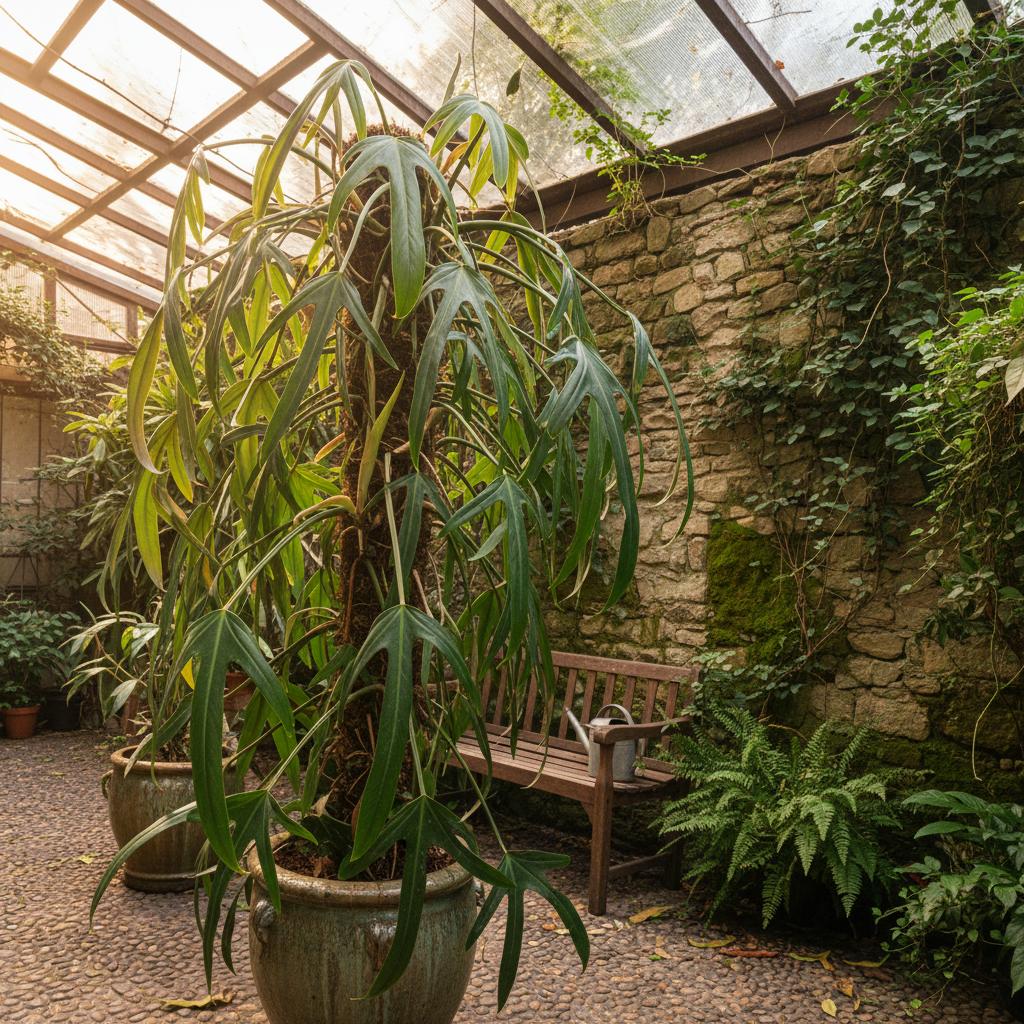
- Leaves: Elongated, lanceolate to strap-shaped, leathery, glossy green with prominent midribs;
- Stems: Climbing or trailing, producing thick aerial roots for attachment to host trees;
- Flowers: Typical aroid inflorescence with a green to whitish spathe and a central spadix, rarely seen in cultivation.
Care Guide
Watering
Water thoroughly when the top layer of soil feels dry to the touch.
Fertilization
Apply a balanced liquid fertilizer diluted to half strength.. Feed only during the active growing season; pause in winter.
Banana Peel Tea:Soak chopped banana peels in water for 24-48 hours, strain, and use the liquid to water the plant. Discard the solid peels in the compost to avoid attracting fungus gnats.Pruning
- Remove yellowing or dead leaves at the base of the stem using sterilized shears;
- Prune leggy growth to encourage a bushier appearance;
- Provide a moss pole or wooden trellis for climbing support, which encourages larger, more mature leaf development.
Toxicity
Warning: this plant may be toxic.
Pets & Humans
Pets: Toxic per ASPCA. Causes oral irritation, excessive drooling, vomiting, and difficulty swallowing.
Humans: Ingestion causes oral irritation, pain, and swelling due to insoluble calcium oxalate crystals.
Garden Uses & Culture
Culture: Philodendrons became highly popular in Victorian Europe as parlor plants due to their remarkable tolerance of low light and indoor heating conditions.
Usage: Ornamental houseplant, indoor air purification, and tropical landscaping in frost-free zones.