 PlantFun
Plant Needs
Characteristics
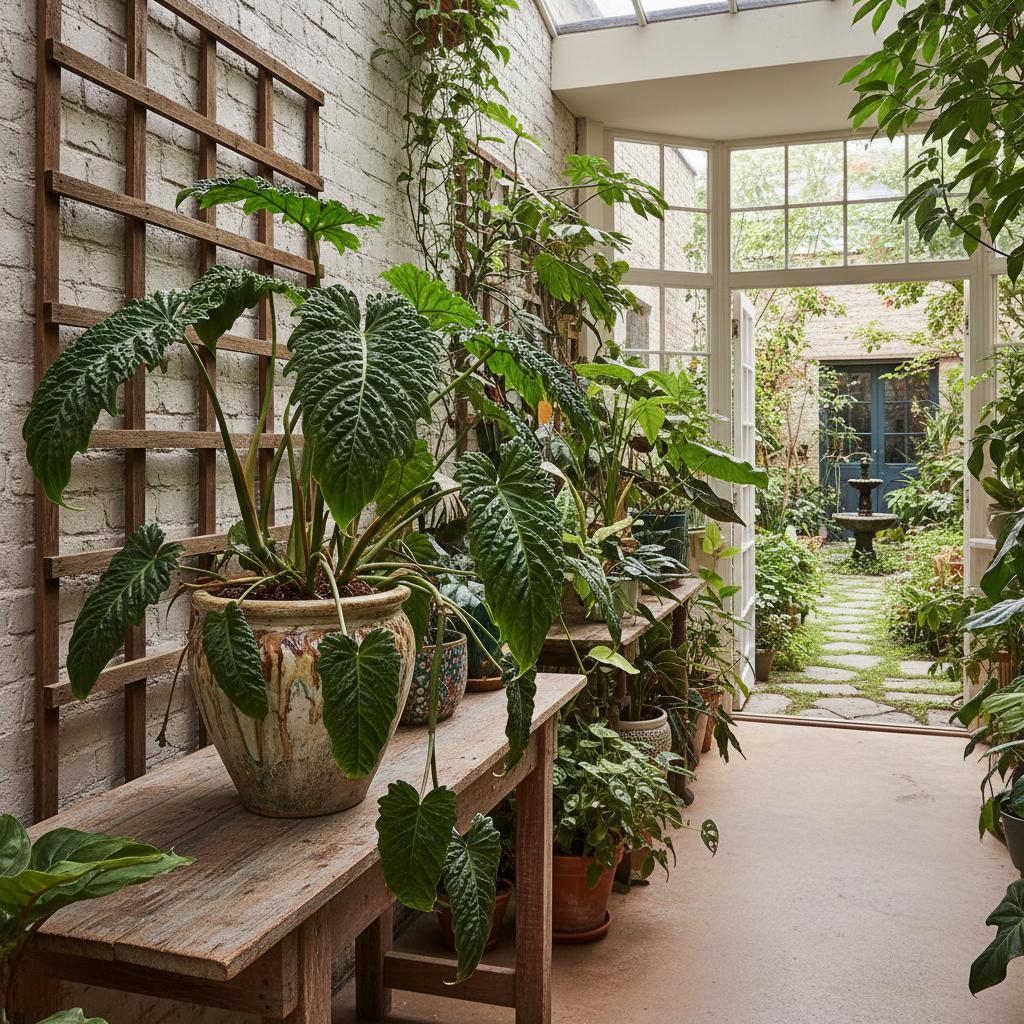
- Leaves: Thick, coriaceous (leathery), and deeply bullate (puckered or corrugated), dark green with lighter green veins, lacking the fenestrations typical of other Monstera species;
- Stems: Sturdy vining stems that produce aerial roots at the nodes to grip climbing surfaces;
- Flowers: Rarely produced in cultivation; consists of a pale spathe and a central spadix typical of the Araceae family;
- Roots: Fibrous terrestrial roots combined with adventitious aerial roots for epiphytic climbing.
Care Guide
Water thoroughly when the top half of the soil is dry.
Apply a balanced, diluted fertilizer to support active vining.. Feed only during the active growing season. Pause fertilization during the winter dormancy period.
Aquarium Water Fertilizer:Use untreated aquarium change water directly on the soil. It provides gentle, natural nitrogen and beneficial microbes without the risk of chemical burn. Ensure the tank water has not been recently treated with fish medications or high salts.- Trim back excessively long or leggy vines just above a node to encourage a bushier growth habit;
- Remove any yellowing or damaged leaves at the base of the petiole to maintain plant health;
- Propagate healthy stem cuttings with at least one node in water or damp sphagnum moss.
Toxicity
Warning: this plant may be toxic.
Pets: Toxic to cats per ASPCA. Ingestion of leaves or stems causes intense burning and irritation of the mouth, tongue, and lips, excessive drooling, vomiting, and difficulty swallowing.
Humans: Contains insoluble calcium oxalate crystals. Chewing or ingestion can cause oral irritation, swelling of the lips and tongue, and mild gastrointestinal upset.
Garden Uses & Culture
Culture: Highly sought after in the Western houseplant community during the rare plant boom, prized for its unique, reptilian-like leaf texture that contrasts with typical smooth-leaved tropicals.
Usage: Excellent as a trailing plant in hanging baskets or trained to climb a sphagnum moss pole, which encourages larger leaf development.