 PlantFun
Plant Needs
Sunlight
Prefers bright, indirect light but is highly tolerant of low-light and shaded conditions.
Watering
Allow the top inch of soil to dry out completely before watering again.
Temperature
Thrives in warm, typical household temperatures; avoid cold drafts below 15°C.
Characteristics
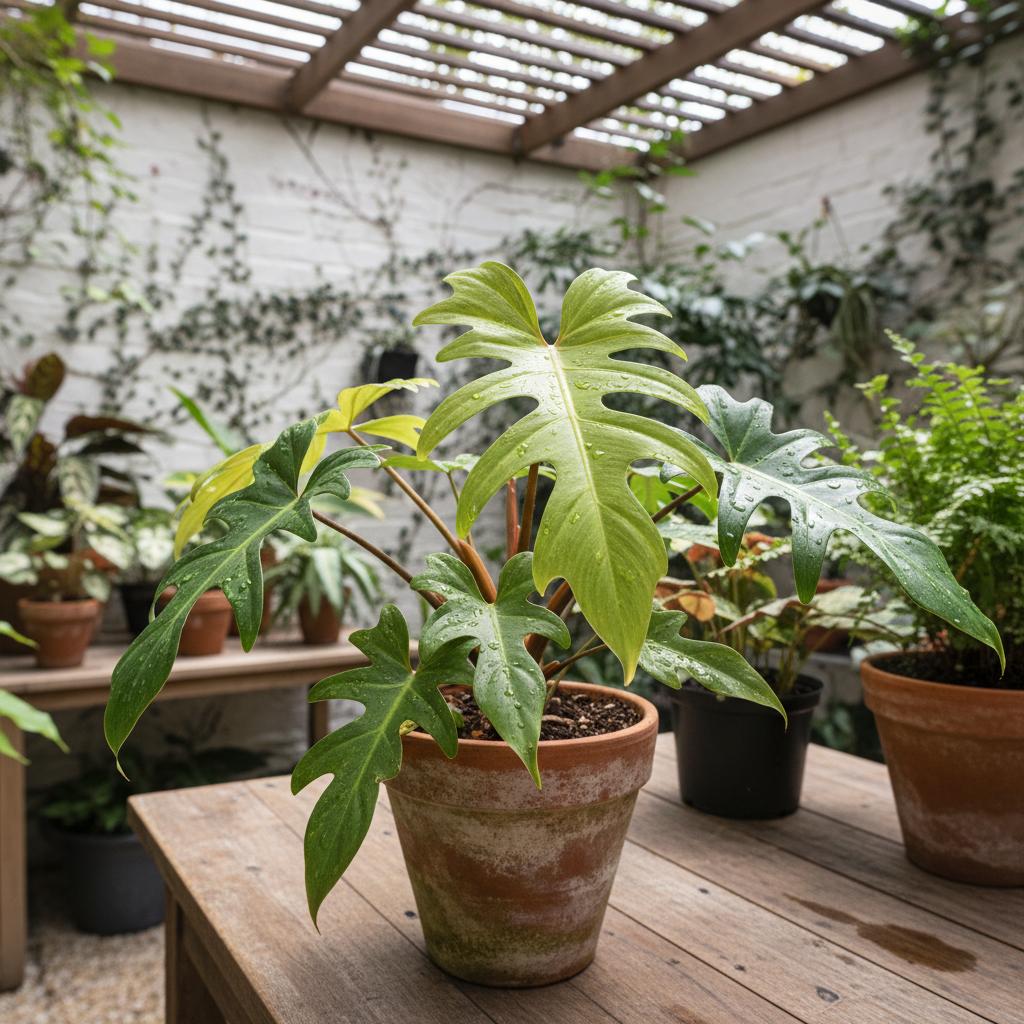
- Leaves: Narrow, elongated, lance-shaped leaves, bright green, growing in a dense, clumping rosette rather than a vining habit;
- Stems: Very short, self-heading habit, non-vining, largely hidden by the dense foliage;
- Roots: Fibrous root system, occasionally producing small aerial roots near the soil surface.
Care Guide
Watering
Water thoroughly when the top inch of soil feels dry to the touch.
Fertilization
Apply a balanced liquid fertilizer diluted to half strength.. Do not fertilize during the winter dormancy period.
Aquarium Water Fertilizer:Use dirty water from freshwater aquarium changes to water the plant. Ensure the water contains no added marine salts or fish medications. This provides a gentle, natural source of nitrogen without the risk of chemical burn.Pruning
- Remove any yellowing or dead leaves at the base to maintain a tidy appearance;
- Wipe leaves periodically with a damp cloth to remove dust and support photosynthesis;
- Pruning is rarely needed due to its naturally compact, self-heading growth habit.
Toxicity
Warning: this plant may be toxic.
Pets & Humans
Pets: Toxic to cats per ASPCA. Chewing or biting into the plant releases calcium oxalate crystals, causing tissue irritation.
Humans: Contains insoluble calcium oxalates which can cause oral and skin irritation upon contact or ingestion.
Garden Uses & Culture
Culture: Popularized in modern Western interior design for its compact, non-vining habit, fitting perfectly on desks, small shelves, and in minimalist spaces.
Usage: Excellent indoor potted plant, terrarium specimen, or understory groundcover in shaded tropical gardens.