 PlantFun
Plant Needs
Sunlight
Requires full sun for optimal growth and dense rosette formation.
Watering
Drought-tolerant once established; prefers dry to medium moisture.
Temperature
Highly cold-hardy, adapted to alpine and subalpine temperature fluctuations.
Characteristics
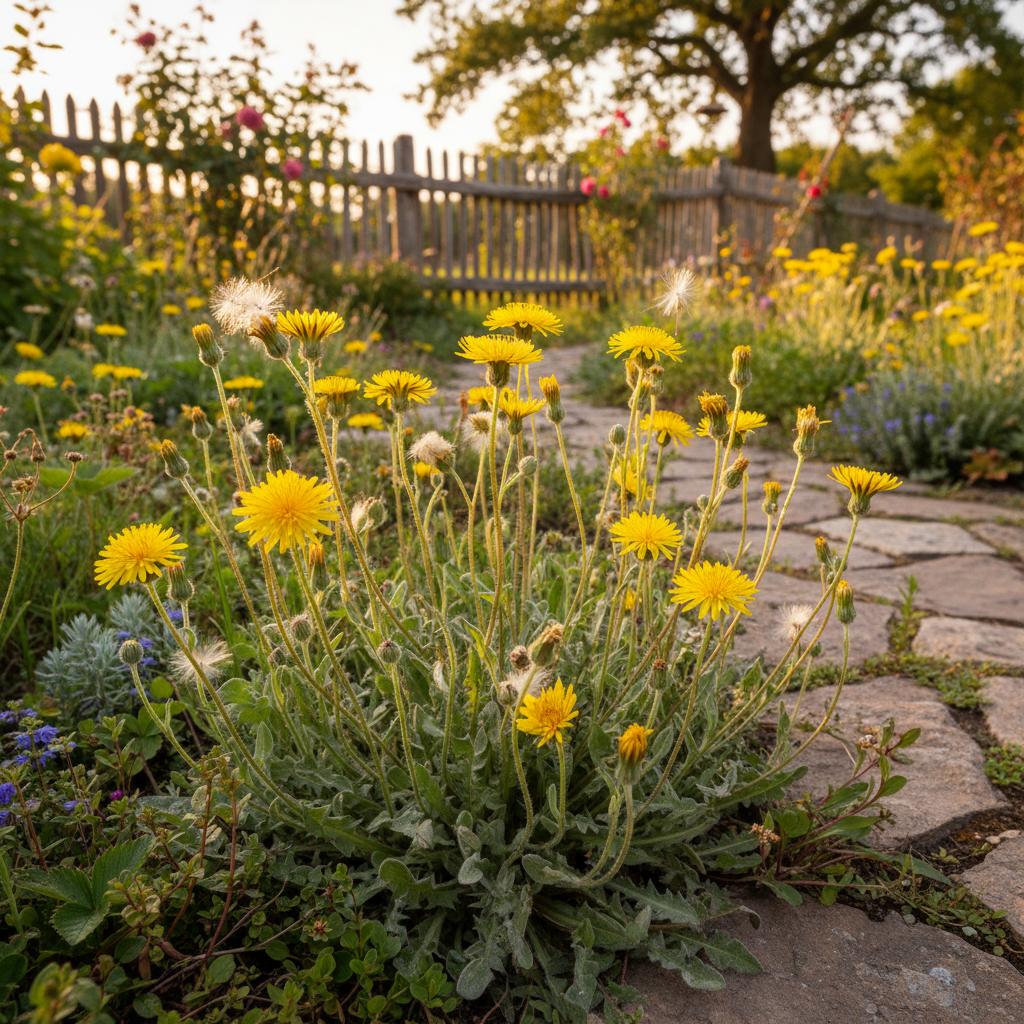
- Leaves: Basal rosette, obovate to lanceolate, densely covered with long, shaggy, white or yellowish stellate and simple hairs;
- Flowers: Solitary capitula on leafless scapes, bright pale to deep yellow, consisting entirely of ligulate (ray) florets;
- Stem: Scape is unbranched, leafless, and densely hairy;
- Roots: Produces short, thick stolons, forming dense, mat-like colonies.
Care Guide
Watering
Water moderately, allowing the soil to dry out completely between waterings.
Fertilization
Apply a very light, low-nitrogen top dressing if grown in extremely barren containers.. Fertilization recommendations description
Crushed Eggshell Powder:Wash, dry, and finely crush eggshells to sprinkle around the base. This provides slow-release calcium suitable for rock garden plants without overloading them with nitrogen. Avoid using wet or unwashed shells to prevent odors and pests.Pruning
- Deadhead spent flower stalks at the base to maintain a tidy appearance;
- Remove dead or rotting basal leaves in early spring to improve air circulation;
- Thin out dense mats every few years to prevent overcrowding and fungal issues.
Toxicity
Warning: this plant may be toxic.
Pets & Humans
Pets: Non-toxic to cats.
Humans: No known toxicity; generally considered safe.
Garden Uses & Culture
Culture: In European alpine gardening, hawkweeds are appreciated for their rugged ability to colonize bare rock and scree, symbolizing endurance in harsh environments.
Usage: Excellent for rock gardens, alpine troughs, dry stone walls, and as a drought-tolerant ground cover in poor soils.