 PlantFun
Plant Needs
Characteristics
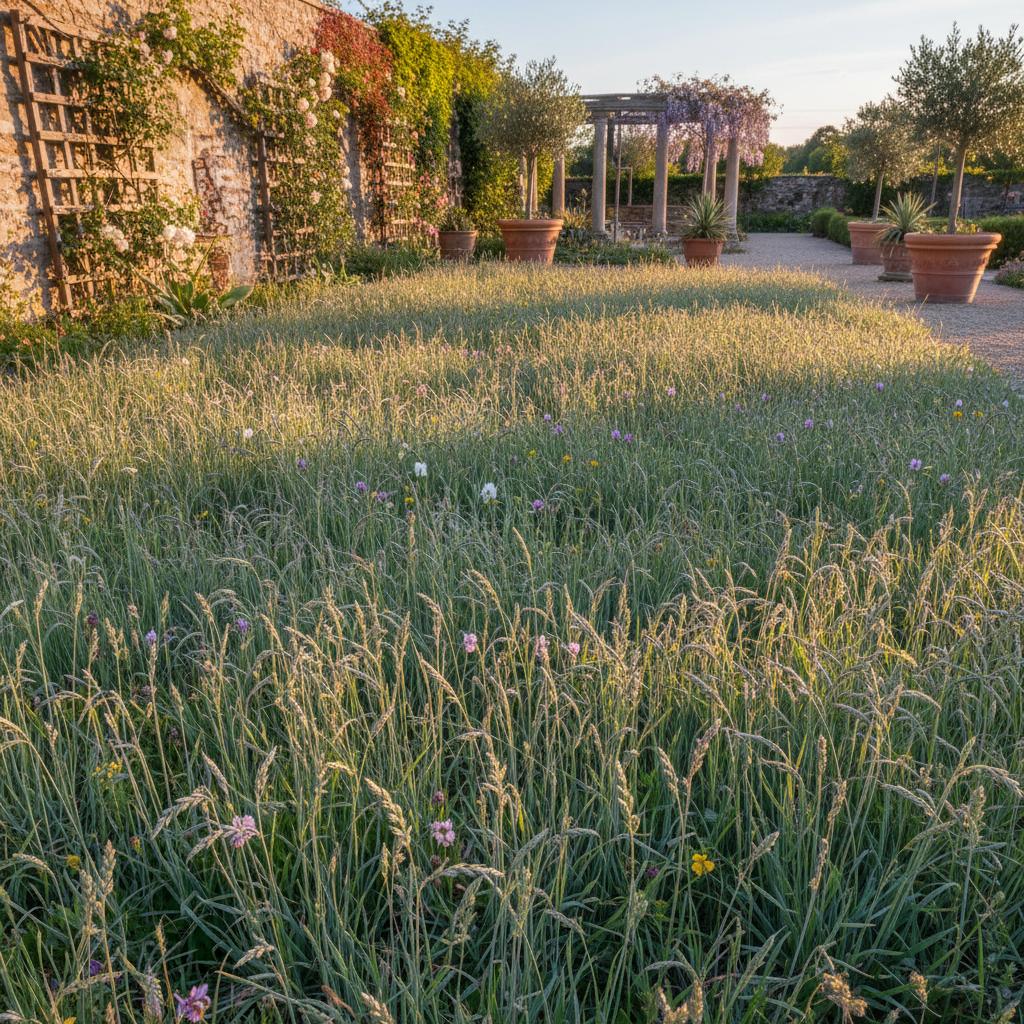
- Leaves: Bluish-green, flat or folded, 2-10 cm long, featuring the characteristic boat-shaped tip of the genus;
- Stems: Culms are distinctly flattened (compressed), wiry, and often decumbent at the base, growing from creeping rhizomes;
- Inflorescence: Narrow, compact panicles, 2-8 cm long, with branches bearing small, clustered spikelets;
- Roots: Extensive creeping rhizomes that form a dense, tough sod.
Care Guide
Water moderately during active spring growth; allow to dry out between waterings in summer.
Apply a light application of nitrogen if denser growth is desired.. Requires very little fertilization; over-fertilizing can harm its natural resilience.
Coffee Grounds Tea:Steep used coffee grounds in water overnight, strain, and use the liquid to provide a gentle nitrogen boost. Avoid applying thick layers of raw grounds directly to prevent mold.- Mowing: Mow to a height of 3-4 inches; do not cut too short to protect the crown;
- Cleanup: Rake out dead thatch in early spring to improve air circulation;
- Weed Control: Maintain a dense sod to naturally outcompete weeds.
Toxicity
Warning: this plant may be toxic.
Pets: Non-toxic to cats per ASPCA guidelines for true grasses.
Humans: Non-toxic to humans.
Garden Uses & Culture
Culture: In North America, it became a staple of pioneer agriculture, valued for surviving on thin, rocky soils where traditional pasture grasses failed.
Usage: - **Erosion Control**: Excellent for stabilizing steep banks and poor soils; - **Pasture**: Provides early spring grazing for livestock on marginal lands; - **Turf**: Used as a low-maintenance lawn grass in dry, infertile areas.