PlantFun
Plant Needs
Sunlight
Full sun to partial shade; tolerates dry, sunny meadows and rocky slopes
Watering
Water deeply when top 2–3 cm of soil is dry; drought-tolerant once established
Temperature
Hardy to -10°C; thrives in cool to temperate summer temperatures, avoids extreme heat
Characteristics
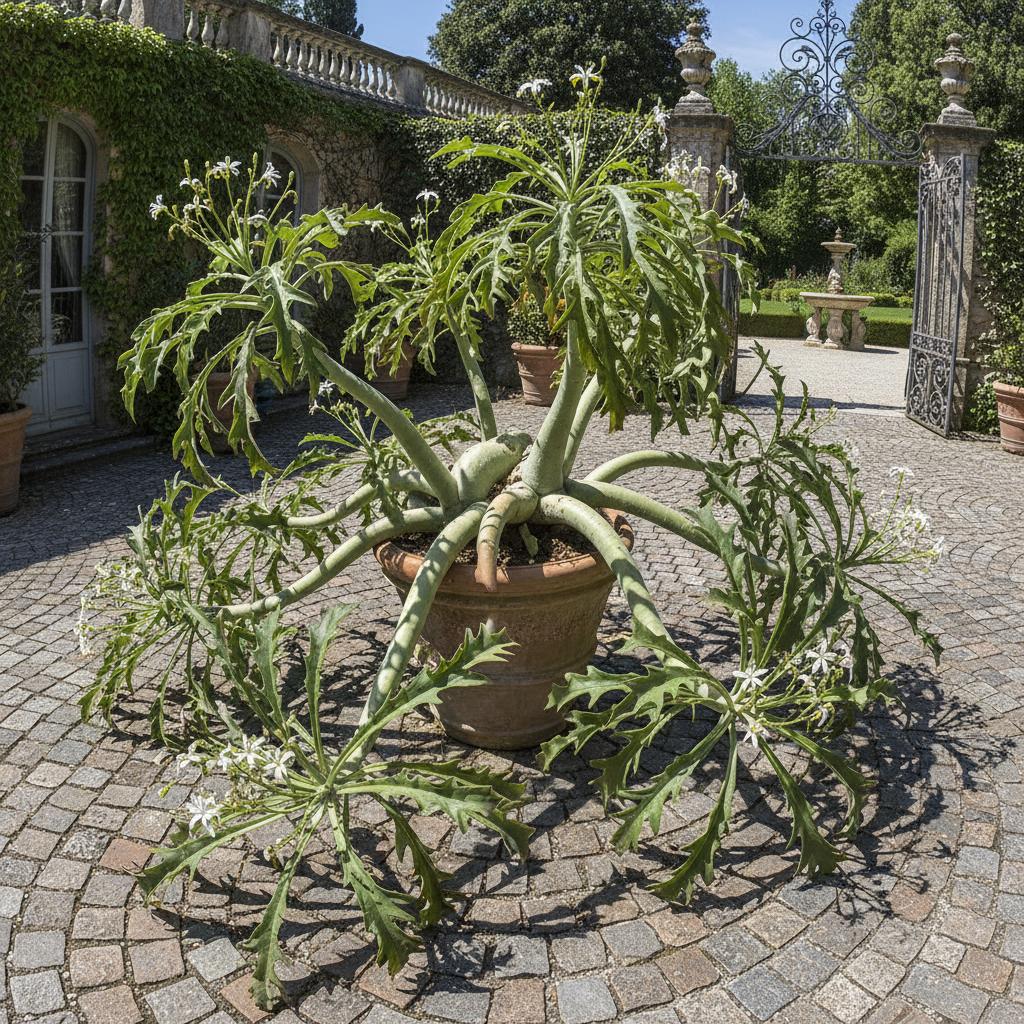
- Leaf: Basal rosette of deeply pinnately divided, fern-like leaves; upper stem leaves smaller, less divided
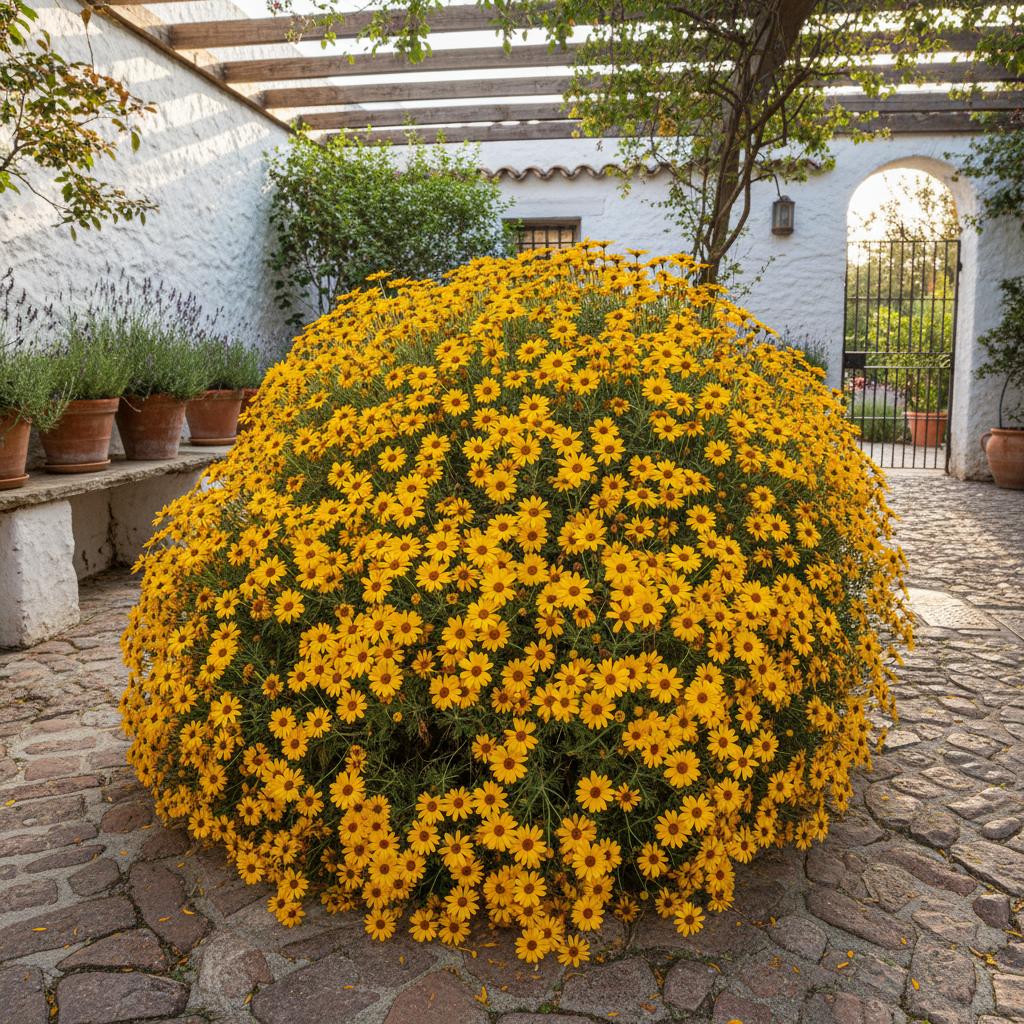
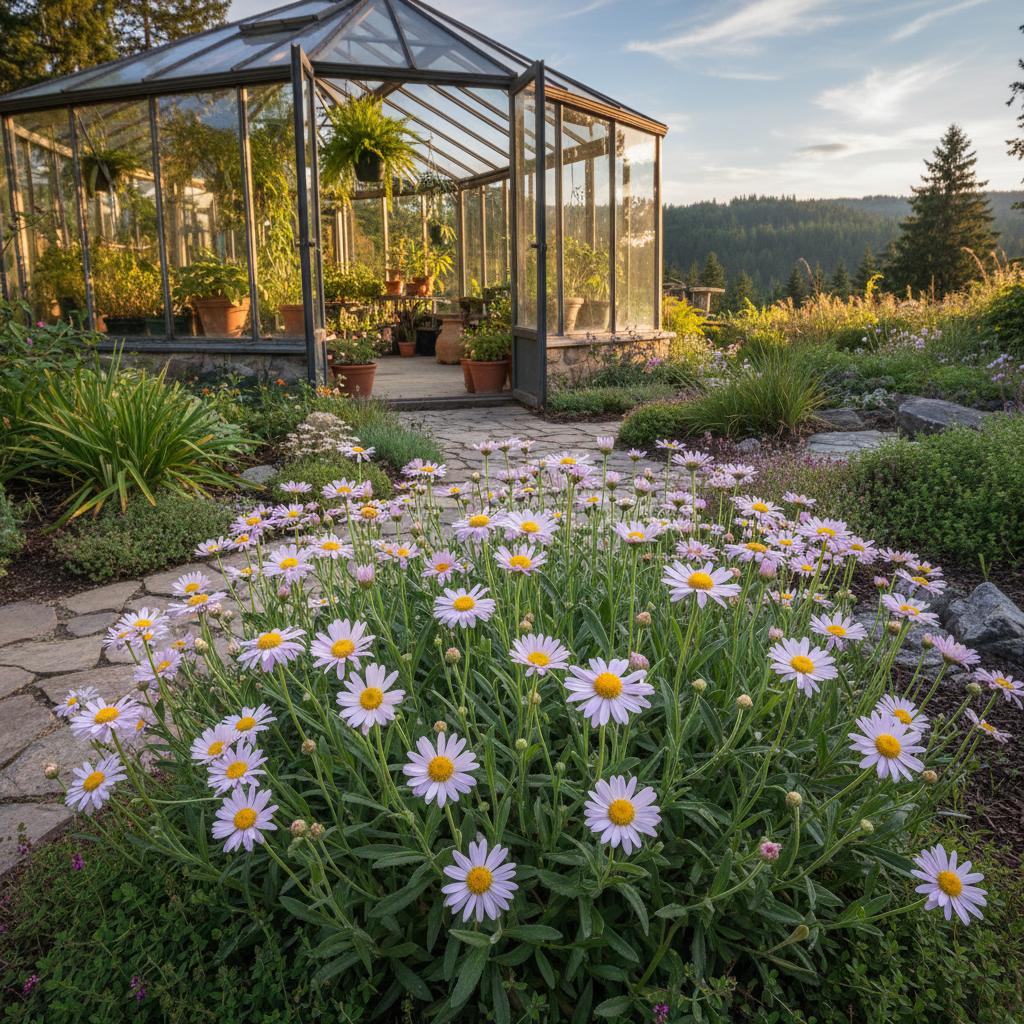
- Flower: Yellow composite daisy-like heads, 2–3 cm in diameter, borne on slender stems
- Stem: Slender, erect, sparsely hairy stems branching near the top
Care Guide
Watering
Keep soil moderately moist during active growth to support blooming
Fertilization
Diluted balanced feed once monthly. Use diluted, low-nitrogen feed to promote flowering rather than foliage growth
Eggshell powder topdress:Crush clean, dried eggshells into fine powder; sprinkle 1–2 tbsp around the base of plants to boost soil calcium and deter slugsPruning
- Deadhead spent flowers to encourage prolonged blooming and prevent self-seeding if desired
- Trim back faded foliage in late autumn to tidy the planting area
- Thin overcrowded clumps every 2–3 years to improve airflow and reduce competition
Toxicity
Warning: this plant may be toxic.
Pets & Humans
Pets: No documented toxicity to cats per ASPCA
Humans: No documented toxicity to humans
Garden Uses & Culture
Culture: N/A
Usage: Wildflower for pollinator gardens; young leaves are edible in small, cooked quantities