PlantFun

Plant Needs
Characteristics
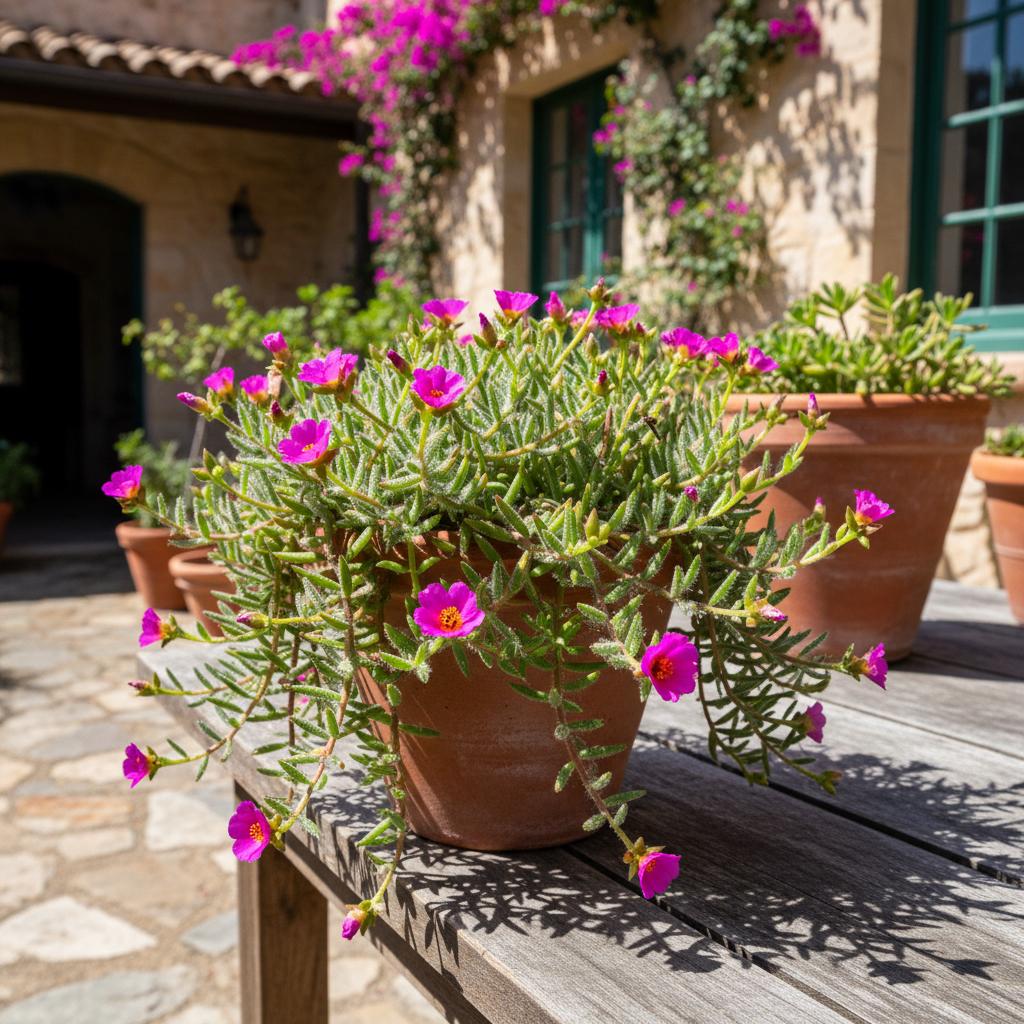
- Leaf: Fleshy, obovate to spatulate, bright green to reddish-green, arranged in opposite pairs along trailing stems
- Flower: Solitary or clustered, 2–3 cm wide, petals in pink, orange, yellow, or white, opening only in full sunlight
- Stem: Trailing, succulent, reddish-brown with mature growth
Horticulturist's Insider Field Notes (No AI Fluff)
Never water on a strict calendar. Stick your index finger 2 inches into the soil. If it feels cool and damp, wait 2–3 days. If bone dry, water thoroughly until it drains from the bottom holes.
The #1 houseplant killer is water sitting in the catch tray. Stagnant runoff water starves roots of oxygen and causes root rot.
Houseplants naturally lean toward the nearest window light. Give the pot a quarter-turn biweekly to maintain balanced, symmetrical architecture.
Dust on leaves acts like a heavy sunshade. Gently wipe broad foliage with a damp cloth monthly to maximize photosynthesis and air purification.
Care Guide
Water when the top 2 cm of soil is completely dry; avoid overwatering to prevent root rot
Diluted balanced liquid feed once monthly. Avoid over-fertilizing to prevent leggy, sparse growth
Eggshell powder topdressing:Crush fully dried eggshells into fine powder; sprinkle lightly on soil surface to boost calcium levels and improve soil drainage- Trim leggy stems in mid-spring to encourage compact, bushier growth
- Deadhead spent blooms regularly to prolong the flowering period
- Remove yellowed or damaged foliage to maintain a tidy appearance
Pet & Human Toxicity & Emergency Guide
Pet Safety Verified: According to clinical veterinary databases (ASPCA), Wingpod Purslane (Portulaca umbraticola) is non-toxic to both cats and dogs, making it an excellent choice for pet-friendly homes.
Leaves, stems, and flowers contain no systemic toxins or hazardous oxalates; safe for curious puppies and kittens.
While non-toxic, excessive consumption of fibrous leaves may cause mild, temporary stomach upset or regurgitation.
Safe for low tables, living rooms, and active pet environments.
Wondering if your other indoor plants are safe for cats and dogs? Scan any houseplant with PlantFun App for instant pet safety verification!
Troubleshooting & Common Plant Problems
Quick diagnostic guide for common care issues affecting Wingpod Purslane (Portulaca umbraticola):
Most commonly caused by overwatering or poor drainage. Ensure topsoil dries out between waterings and check for root ventilation.
Low ambient humidity, hard tap water minerals, or direct midday sunburn. Increase humidity and use filtered water.
Indicates dehydration or root damage from prolonged waterlogging. Inspect soil moisture and root firmness.
Dry indoor air encourages pests. Wipe leaves with a damp cloth and treat with insecticidal soap or neem oil.
Take a photo of any leaf on PlantFun App to get instant diagnosis of diseases, pests, and custom care recovery steps.
Propagation & Repotting Guide
- Taking Cuttings: During active spring or summer growth, take a healthy 4–6 inch cutting just below a node using clean shears.
- Rooting Medium: Place cuttings in fresh water or moist perlite mix in bright, indirect light; refresh water weekly.
- Potting Up: Transplant into well-draining potting mix once roots reach 2 inches in length (typically 3–5 weeks).
Seasonal Care Calendar
- Spring & Summer (Active Growth): Water thoroughly as topsoil dries; apply diluted balanced fertilizer monthly; encourage steady growth.
- Autumn (Transition): Gradually reduce watering frequency as daylight hours shorten; discontinue fertilization.
- Winter (Dormancy): Water sparingly only when soil is mostly dry; protect from cold window drafts; keep in warm room.
Frequently Asked Questions
How often should I water my Wingpod Purslane?
Water thoroughly when the top 1–2 inches of soil feel dry. In active growth (spring/summer), water every 1–2 weeks; reduce significantly in winter.
Where is the best indoor location for Wingpod Purslane?
Position in bright, filtered indirect light (e.g., near an east or south-facing window with sheer curtains). Avoid harsh direct midday sun.
Is Wingpod Purslane toxic to pets?
ASPCA: Non-toxic; no known adverse effects from ingestion
When should I repot my Wingpod Purslane?
Repot every 1–2 years in spring when roots outgrow the drainage holes or the soil depletes nutrients.
Garden Uses & Culture
Culture: N/A
Usage: Ornamental groundcover, container edge plant, rock garden specimen; young leaves are edible in small quantities
Every home has different pot sizes, humidity, and airflow. Take a photo on PlantFun App to calculate your exact watering countdown and access 24/7 AI diagnostic care!