 PlantFun
Plant Needs
Sunlight
Bright, indirect sunlight; avoid harsh direct sun which can scorch the leaves.
Watering
Allow the top 2-3 inches of soil to dry out completely before watering.
Temperature
Prefers warm, humid environments and is sensitive to cold drafts below 60°F.
Characteristics
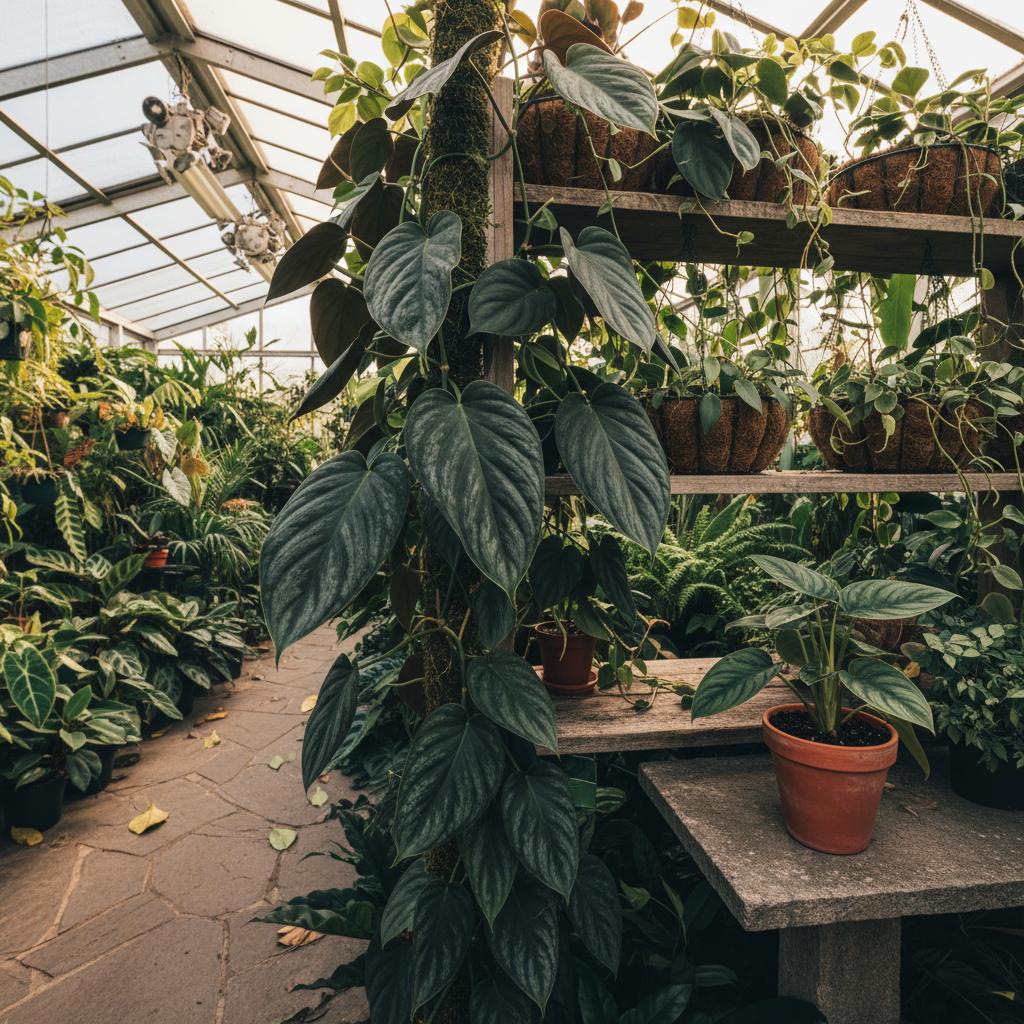
- Leaves: Thick, succulent-like, lanceolate to asymmetrical, featuring a silvery-green sheen ('Moonlight') or deep dark green color ('Dark Form');
- Stems: Sturdy green vines that produce aerial roots at the nodes for climbing or trailing;
- Flowers: Typical aroid spathe and spadix, though extremely rare in indoor cultivation.
Care Guide
Watering
Water thoroughly when the top third of the soil is dry.
Fertilization
Apply a balanced liquid fertilizer diluted to half strength.. Do not fertilize in winter when growth naturally slows down.
Aquarium Water Fertilizer:Use dirty aquarium water during routine water changes to water the plant. It provides gentle, natural nitrogen. Avoid if the tank has been treated with medications or high salts.Pruning
- Trim leggy vines just below a node to encourage a bushier growth habit;
- Remove any yellowing or damaged leaves to redirect energy to healthy growth;
- Propagate stem cuttings with at least one node in water or damp sphagnum moss.
Toxicity
Warning: this plant may be toxic.
Pets & Humans
Pets: Toxic (per ASPCA); causes oral irritation, excessive drooling, and vomiting.
Humans: Contains insoluble calcium oxalate crystals causing oral irritation, burning sensation, and swelling if ingested.
Garden Uses & Culture
Culture: Highly sought after in the Western houseplant community for its minimalist, elegant foliage and modern aesthetic, often featured in contemporary interior design.
Usage: Excellent as a trailing plant in hanging baskets or trained to climb a moss pole, trellis, or wooden plank.