 PlantFun
Plant Needs
Sunlight
Requires bright, indirect light or dappled shade; cannot tolerate direct sun.
Watering
Requires consistently moist soil and very high ambient humidity (60-90%).
Temperature
Prefers warm tropical temperatures; sensitive to cold drafts below 15°C.
Characteristics
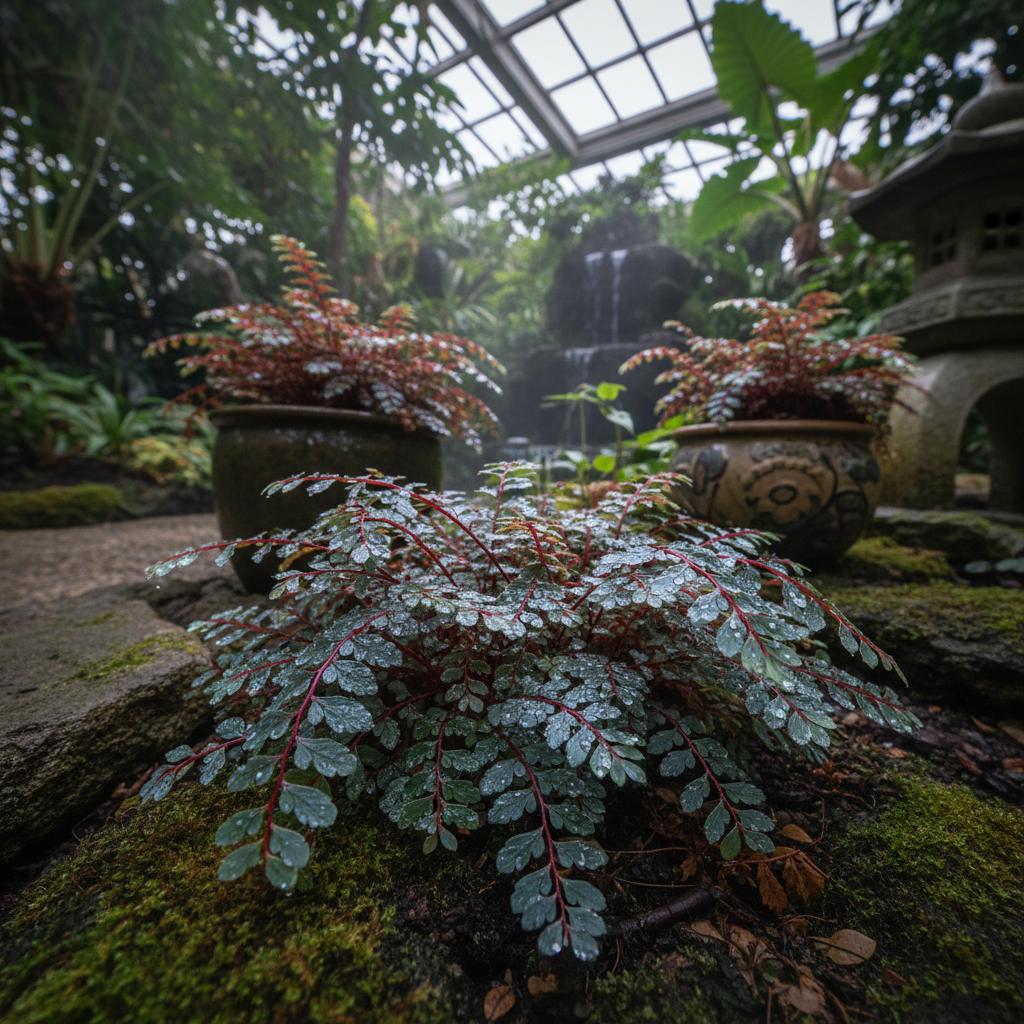
- Stems: Erect, wiry, and notably bright red to burgundy, branching in a fan-like or frond-like pattern.
- Leaves: Microphylls are tiny, scale-like, bright green, arranged in overlapping rows along the branches.
- Reproductive structures: Produces strobili (spore-bearing cones) at the tips of the branches instead of flowers.
- Roots: Shallow, fibrous root system with rhizophores emerging from the lower stems.
Care Guide
Watering
Keep soil evenly moist at all times, never allowing it to dry out.
Fertilization
Apply a highly diluted, balanced liquid fertilizer monthly.. Fertilization recommendations description
Aquarium water:Use water from routine aquarium changes; it provides gentle, dilute nutrients perfect for sensitive lycophytes without risking salt burn.Pruning
- Snip off any dead or browning fronds at the base to maintain appearance.
- Trim back overgrown sections if kept in a small terrarium.
- Ensure sterilized scissors are used to prevent fungal infections.
Toxicity
Warning: this plant may be toxic.
Pets & Humans
Pets: Non-toxic to cats (per general Selaginella safety profiles).
Humans: No known toxicity; safe to handle.
Garden Uses & Culture
Culture: Often prized in Victorian-style Wardian cases and modern terrariums for its architectural, fern-like appearance and striking stem color.
Usage: Highly valued as an ornamental terrarium or vivarium plant due to its high humidity requirements and compact size.