 PlantFun
Plant Needs
Sunlight
Prefers bright, indirect light; avoid direct harsh sunlight which can scorch the leaves and fade their vibrant colors.
Watering
Allow the top 50% of the soil to dry out completely between waterings. Highly susceptible to root rot if overwatered.
Temperature
Thrives in average to warm room temperatures; protect from cold drafts and temperatures below 10°C (50°F).
Characteristics
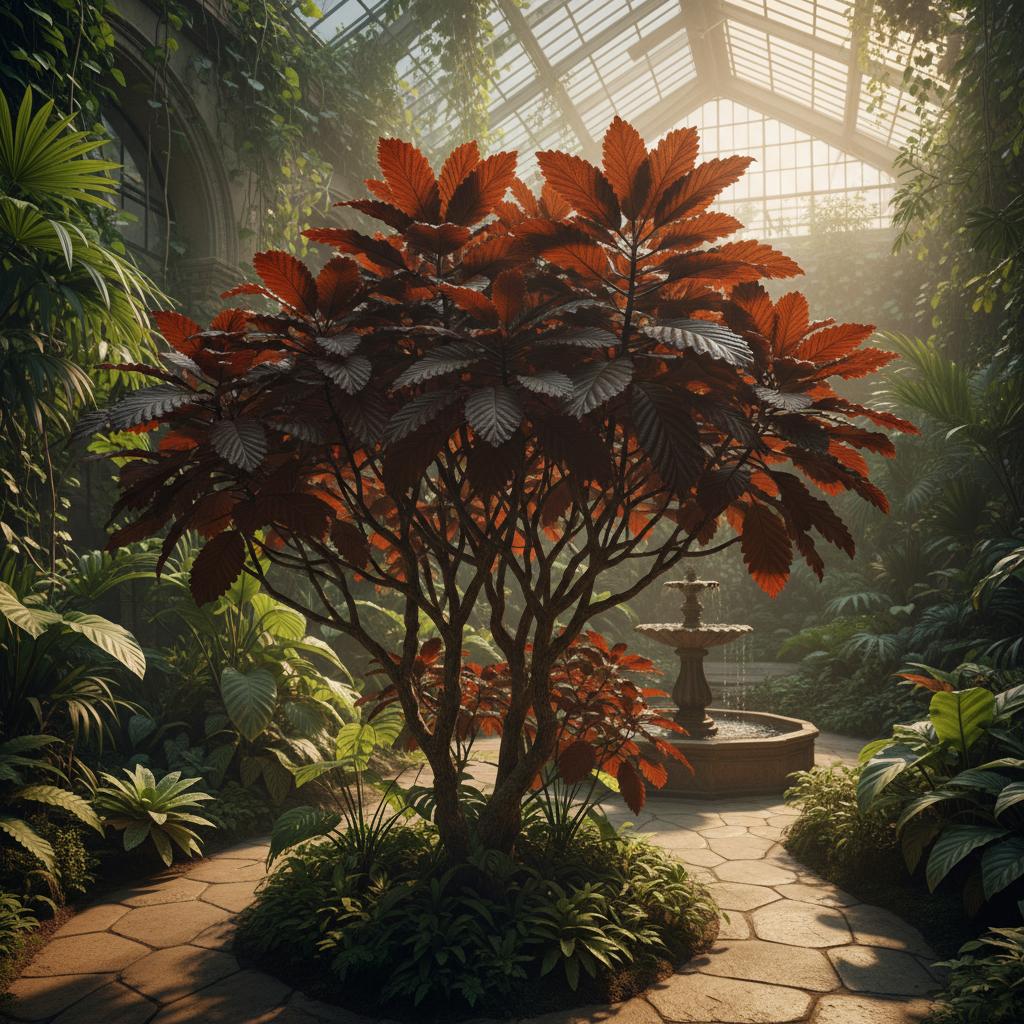
- Leaves: Heart-shaped (cordate), deeply corrugated and wrinkled, dark green often flushed with rich red or sienna tones, fleshy with prominent veins;
- Flowers: Slender, greenish-white to cream, spike-like spadices resembling rat tails that rise above the foliage;
- Stems: Short, fleshy, often reddish or pinkish, growing in a compact rosette-like mound;
- Roots: Fine and shallow, adapted to epiphytic or semi-epiphytic growth in its native habitat.
Care Guide
Watering
Water thoroughly when the top half of the soil feels dry.
Fertilization
Apply a diluted, balanced fertilizer.. Peperomias are light feeders; over-fertilizing can burn their delicate, shallow root systems.
Banana Peel Tea:Steep chopped banana peels in water for 24-48 hours, strain the liquid, and dilute 1:1 with fresh water before applying to the soil. Discard the solid peels in the compost to avoid attracting fungus gnats indoors.Pruning
- Deadheading: Snip off spent flower spikes at their base to redirect the plant's energy into foliage growth;
- Maintenance: Remove any yellowing, damaged, or mushy leaves at the soil line using sterilized scissors;
- Shaping: Pinch back leggy stems in early spring to encourage a bushier, more compact growth habit.
Toxicity
Warning: this plant may be toxic.
Pets & Humans
Pets: Non-toxic to cats (per ASPCA).
Humans: Non-toxic to humans; safe to handle.
Garden Uses & Culture
Culture: Popularized in the mid-20th century in North America and Europe, it became a staple windowsill plant due to its compact size, unique texture, and ability to thrive in modern, centrally heated homes.
Usage: Excellent for terrariums, dish gardens, desktop displays, and small indoor spaces due to its slow growth and compact nature.