 PlantFun
Plant Needs
Sunlight
Requires bright, indirect sunlight to full sun to maintain its compact rosette shape and vibrant color.
Watering
Highly drought-tolerant; allow the soil to dry out completely between waterings.
Temperature
Prefers warm temperatures and must be protected from frost.
Characteristics
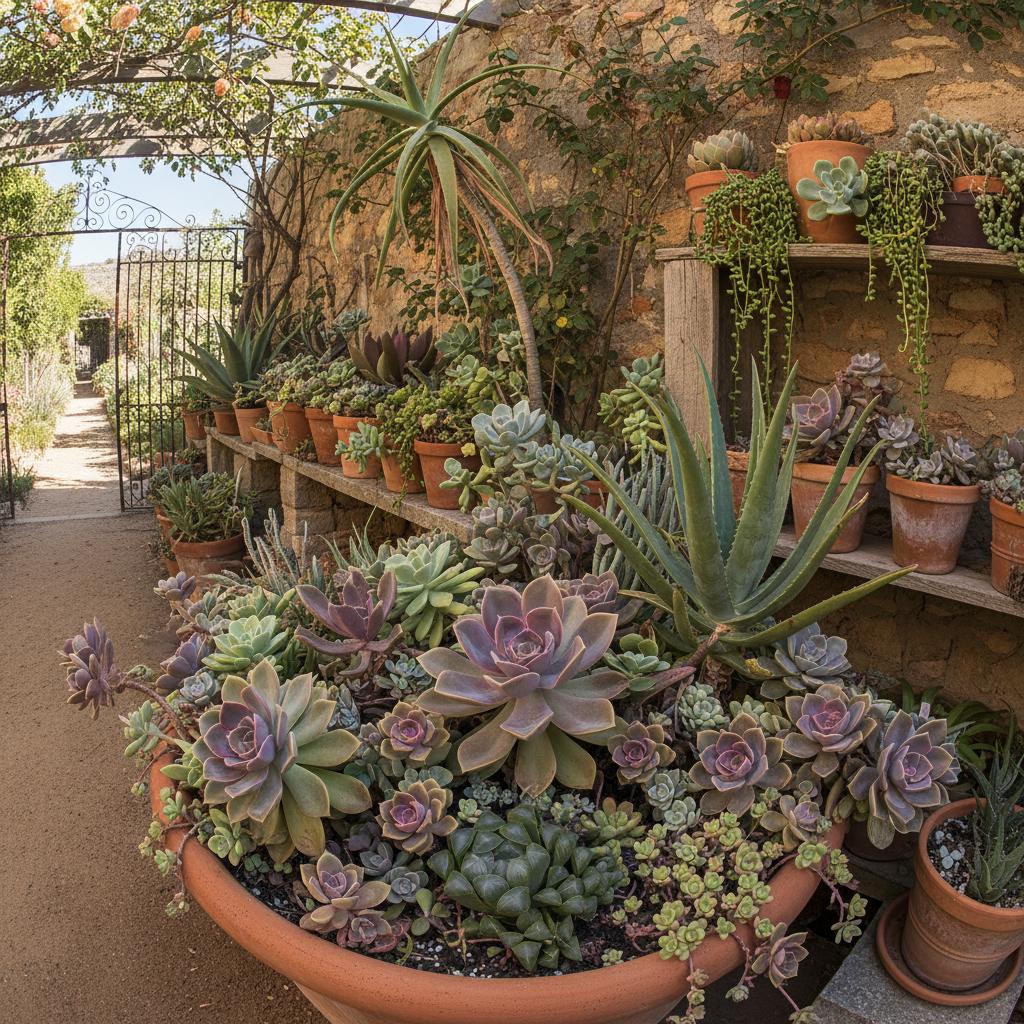
- Leaves: Fleshy, spoon-shaped, pale bluish-green with translucent margins, arranged in tight rosettes covered in a powdery wax (farina).
- Flowers: Pinkish-red with yellow tips, bell-shaped, borne on tall, slender, arching stalks.
- Stem: Short, branching at the base to form offsets (pups) that create dense clusters over time.
Care Guide
Watering
Water deeply when the soil is completely dry, ensuring excess water drains away.
Fertilization
Apply a diluted, balanced fertilizer once at the start of the growing season.. Succulents require very little feeding; over-fertilizing can cause weak, leggy growth.
Banana Peel Water:Soak chopped banana peels in water for 24 hours. Strain and dilute 1:1 with water. Avoid placing raw peels directly on the soil to prevent mold and fungus gnats.Pruning
- Gently remove dead or shriveled basal leaves to prevent rot and pest accumulation.
- Snip off spent flower stalks at the base once they have completely dried out.
- If the plant becomes leggy, the top rosette can be beheaded and replanted after the stem calluses.
Toxicity
Warning: this plant may be toxic.
Pets & Humans
Pets: Non-toxic per ASPCA.
Humans: Generally safe, though not intended for human consumption.
Garden Uses & Culture
Culture: Popularized in European rock gardens and Victorian glasshouses for its architectural symmetry and low-maintenance appeal.
Usage: Excellent for rockeries, container gardens, terrariums (with caution regarding humidity), and indoor sunny windowsills.