 PlantFun
Plant Needs
Characteristics
- Leaves: Opposite, simple, elliptic to ovate-oblong, 5-15 cm long, dark green above and paler beneath, turning yellowish in autumn;
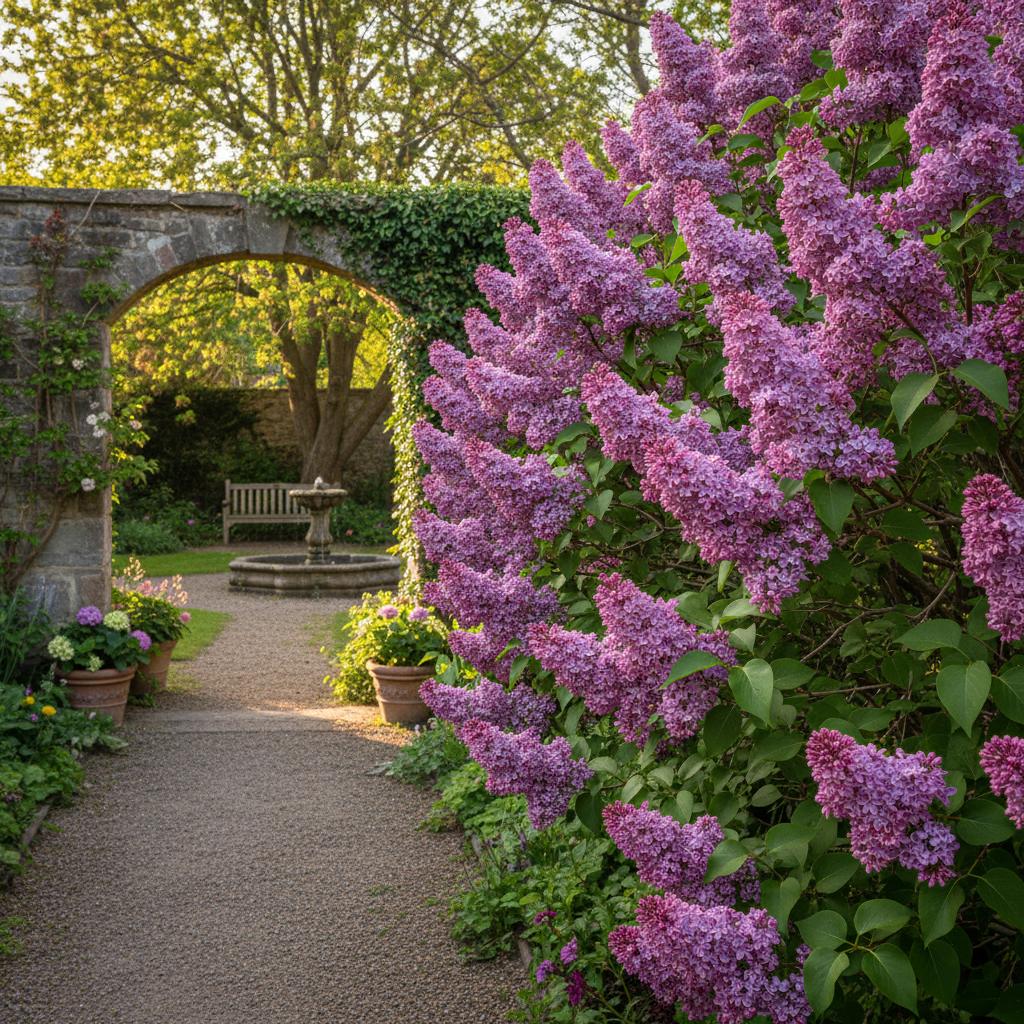
- Flowers: Single, purplish-pink fading to lighter pink, tubular, arranged in large, upright, pyramidal terminal panicles; highly fragrant;
- Bark: Grayish-brown, smooth on young branches, becoming slightly fissured and lenticellate with age;
- Habit: Upright, dense, rounded deciduous shrub with sturdy branches.
Care Guide
Water deeply when the top 2 inches of soil feel dry, especially during prolonged dry spells.
Apply a balanced, slow-release fertilizer or a layer of compost around the base before new growth begins.. Avoid high-nitrogen fertilizers, which promote lush foliage at the expense of flowers.
Banana Peel Tea:Steep chopped banana peels in water for 24-48 hours. Dilute 1:1 with water and apply to the base to encourage blooming and root health. Discard peels in compost to avoid attracting pests.- Prune immediately after flowering to remove spent blooms and prevent seed formation, directing energy into next year's buds;
- Remove dead, diseased, or crossing branches to improve air circulation;
- For older, overgrown shrubs, perform rejuvenation pruning by removing one-third of the oldest stems at ground level annually;
- Do not prune in late summer, autumn, or winter, as this will remove the flower buds set for the following spring.
Toxicity
Warning: this plant may be toxic.
Pets: Non-toxic to cats per ASPCA guidelines.
Humans: Non-toxic to humans; generally safe to handle and cultivate.
Garden Uses & Culture
Culture: In Victorian language of flowers, lilacs symbolize youthful innocence and first love. They are deeply embedded in Western culture as a nostalgic herald of spring, often planted near homesteads in North America.
Usage: Excellent as a specimen plant, informal hedge, shrub border, or privacy screen. The fragrant flowers attract butterflies, hummingbirds, and bees, and make excellent cut flowers.