 PlantFun
Plant Needs
Characteristics
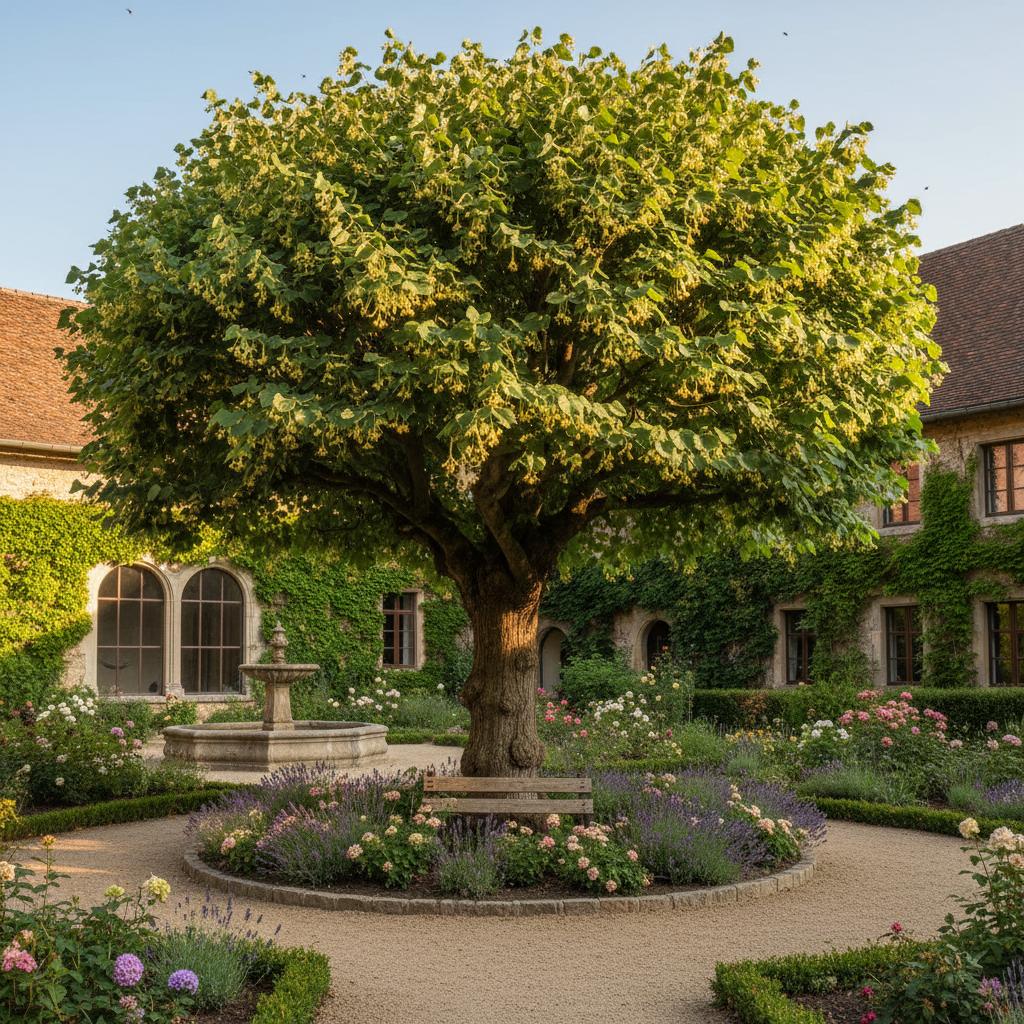
- Leaves: Alternate, obliquely cordate (heart-shaped), 3 - 8 cm long, finely serrate margins, dark green above, paler below with rusty tufts of hair in vein axils;
- Flowers: Small, yellowish-white, highly fragrant, borne in drooping cymes of 5 - 11 flowers, attached to a distinctive pale green, ribbon-like leafy bract;
- Bark: Smooth and grayish in youth, becoming fissured and ridged with age;
- Fruit: Small, globose, nut-like drupe, 4 - 5 mm in diameter, attached to the leafy bract for wind dispersal.
Care Guide
Water deeply once a week during active growth and dry spells
Apply a balanced, slow-release tree fertilizer at the drip line. Fertilize in early spring before new growth begins to support vigorous foliage and blooming.
Banana Peel Tea:Steep chopped banana peels in water for 24-48 hours. Dilute 1:1 with water and pour around the drip line of young trees to support root development and flowering. Avoid applying raw peels directly to prevent attracting pests.- Prune in late winter or early spring during dormancy;
- Remove dead, diseased, or crossing branches to maintain a strong central leader;
- Elevate the canopy for street or walkway clearance if necessary;
- Avoid heavy pruning, as the tree naturally forms a beautiful, symmetrical crown.
Toxicity
Warning: this plant may be toxic.
Pets: Non-toxic per ASPCA guidelines.
Humans: Non-toxic; flowers are commonly consumed as herbal tea.
Garden Uses & Culture
Culture: In Germanic and Slavic cultures, the linden tree was considered sacred. It was traditionally planted in the center of villages as a gathering place for markets, festivals, and judicial proceedings (the "Gerichtslinde" or tree of justice).
Usage: The wood (basswood) is soft, easily worked, and highly prized for woodcarving and musical instruments. The flowers are used to make traditional linden tea (tilleul) and are a major source of premium honey.