 PlantFun
Plant Needs
Sunlight
Prefers full sun to partial shade; adequate sunlight is required for prolific blooming.
Watering
Moderate watering during active growth; thrives when dry spells are followed by deep, heavy watering (simulating rain).
Temperature
Warm-climate plant; frost tender. Bulbs must be overwintered indoors in colder climates.
Characteristics
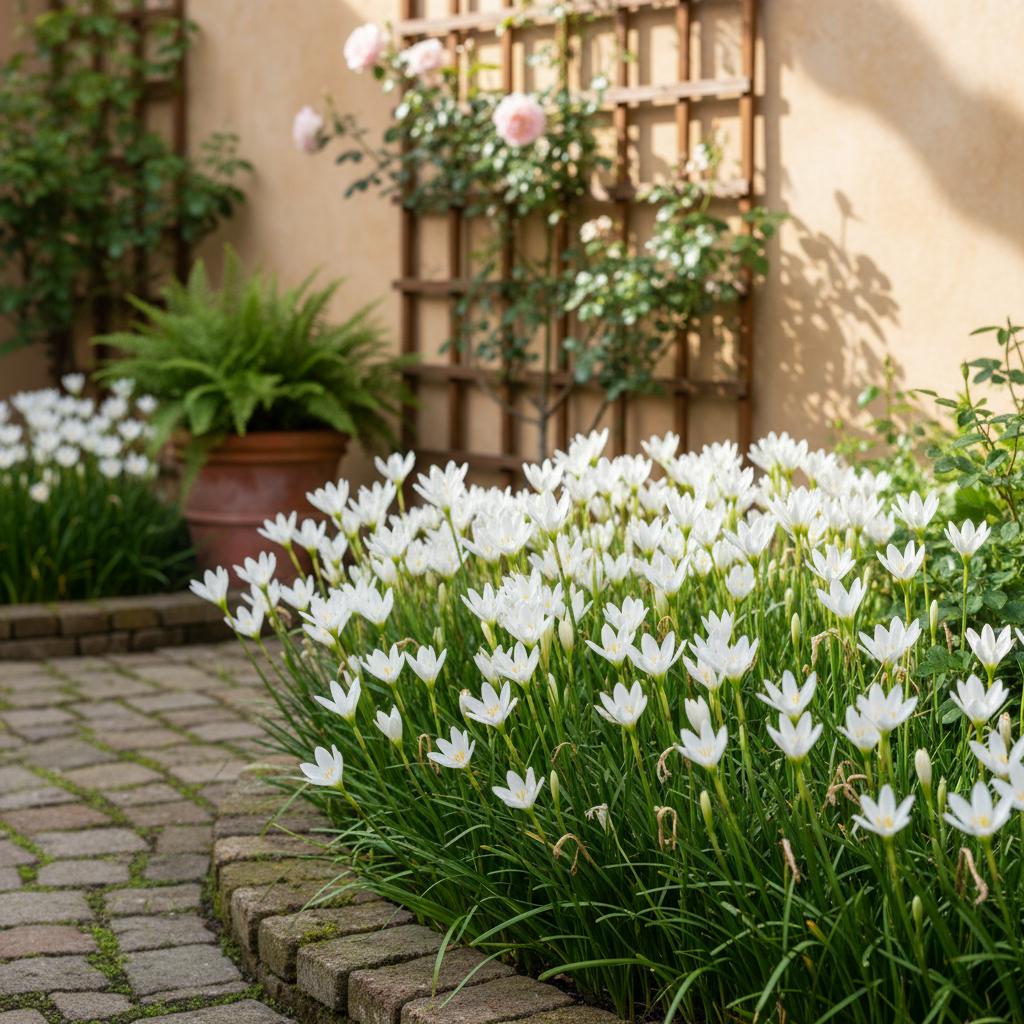
- Leaves: Narrow, linear, grass-like, glossy green, up to 30 cm long, emerging from the base;
- Flowers: Solitary, funnel-shaped, up to 10 cm across, rose-pink with a white throat and prominent yellow anthers, borne on hollow scapes;
- Bulbs: Subterranean tunicate bulbs, about 2-3 cm in diameter, covered with dark brown papery tunics.
Care Guide
Watering
Water deeply when the top inch of soil dries out, especially after a dry period to trigger blooming.
Fertilization
Apply a balanced, water-soluble fertilizer once growth emerges.. Avoid high-nitrogen fertilizers which promote foliage at the expense of flowers.
Banana Peel Tea:Soak chopped banana peels in water for 24-48 hours, strain, and use the liquid to water the base of the plant to encourage blooming. Discard peels in compost to avoid attracting pests.Pruning
- Remove spent flower stalks at the base to prevent seed formation and redirect energy to the bulb;
- Allow foliage to die back naturally and turn yellow before cutting it off, as green leaves continue to nourish the bulb;
- Divide overcrowded bulb clumps every 3-4 years during dormancy.
Toxicity
Warning: this plant may be toxic.
Pets & Humans
Pets: Toxic per ASPCA; ingestion of bulbs or foliage can cause gastrointestinal and mild neurological issues.
Humans: Bulbs contain lycorine and other alkaloids; ingestion causes gastrointestinal distress.
Garden Uses & Culture
Culture: In Western gardening, rain lilies are celebrated as symbols of rebirth, resilience, and sudden joy, magically appearing overnight after summer thunderstorms.
Usage: Excellent for rock gardens, border fronts, edging, and container gardening.