 PlantFun
Plant Needs
Characteristics
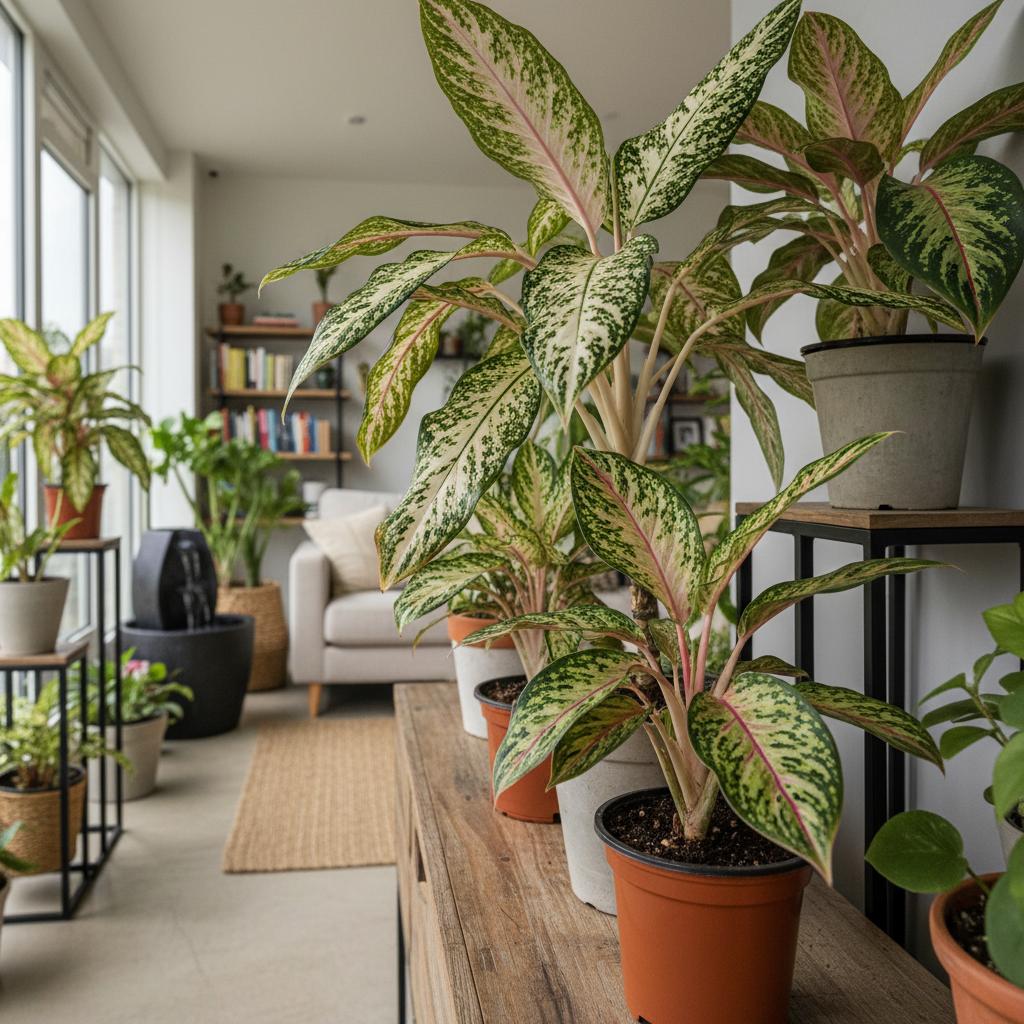
- Leaves: Lanceolate to narrowly ovate, 10-20 cm long, dark green with striking silver or pale green variegation along the lateral veins, borne on fleshy petioles;
- Flowers: Typical aroid inflorescence featuring a pale green to white spathe surrounding a central white spadix;
- Stems: Short, erect or decumbent, fleshy green stems that can root at the nodes;
- Fruits: Small fleshy berries that turn red when mature (rarely seen on indoor specimens).
Care Guide
Water thoroughly once the topsoil dries out, ensuring excess water drains away completely.
Apply a balanced liquid houseplant fertilizer diluted to half strength.. Feed only during the active growing season; pause all fertilization during late autumn and winter.
Aquarium Water Fertilizer:Use old aquarium water when performing tank water changes. It provides gentle, natural nitrogen for lush foliage. Ensure the water has no added chemical medications or high marine salts. Odorless and safe for indoor use.- Remove any yellowing, brown, or dying leaves at the base of the stem using sterilized shears;
- Wipe the broad leaves regularly with a damp cloth to remove dust and support photosynthesis;
- Prune leggy stems in spring to encourage bushier, more compact growth.
Toxicity
Warning: this plant may be toxic.
Pets: Toxic per ASPCA; chewing causes oral irritation, pain, and swelling of mouth, tongue, and lips.
Humans: Contains insoluble calcium oxalate crystals; chewing or biting leaves releases these crystals, causing tissue irritation.
Garden Uses & Culture
Culture: Popularized in Western interior design during the 1970s, it became a staple of modern office and home decor due to its extreme shade tolerance and striking architectural foliage.
Usage: Primarily used as an indoor ornamental foliage plant; noted for its ability to help purify indoor air.