 PlantFun
Plant Needs
Characteristics
- Leaves: Basal leaves are finely divided, deeply lobed, and fern-like, forming a rosette at the base;
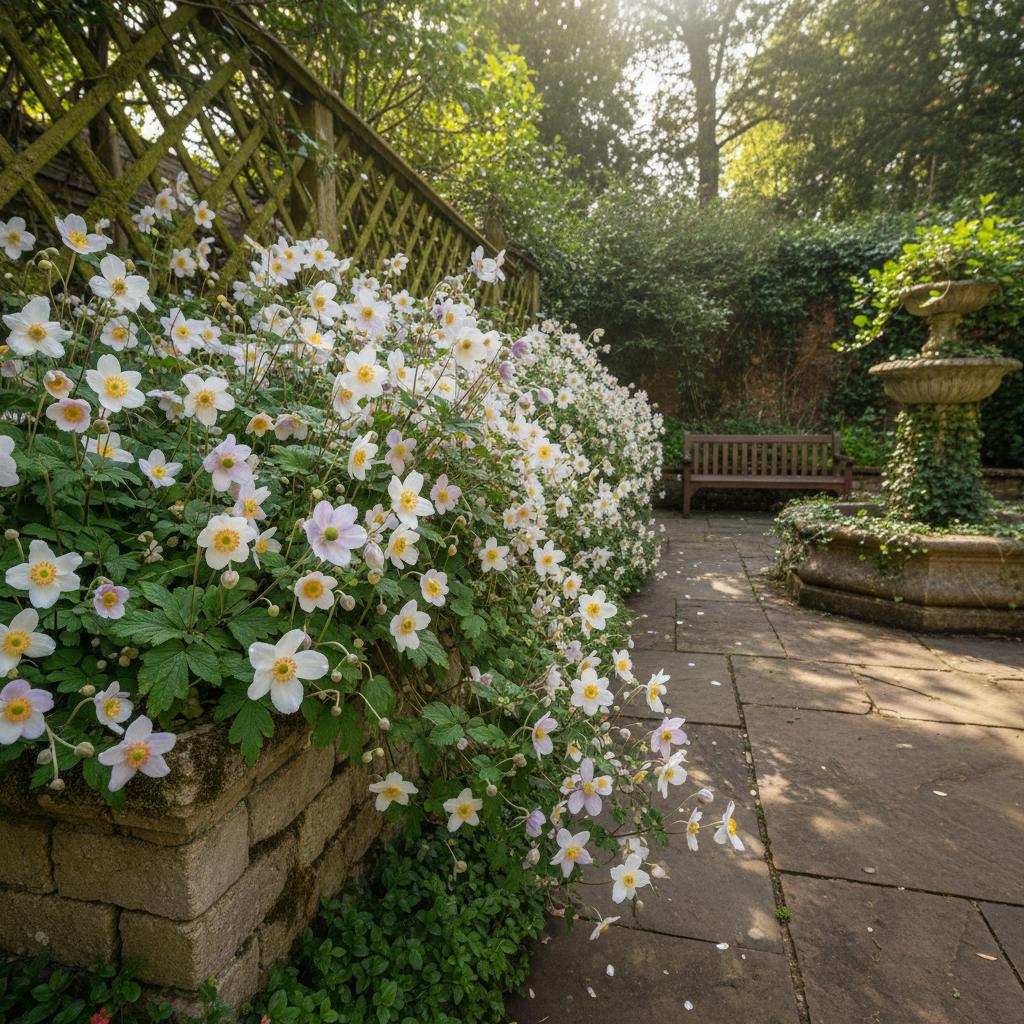
- Flowers: Solitary, showy flowers with 5-8 petal-like sepals in vibrant colors (red, blue, purple, white), featuring a prominent dark central boss of stamens;
- Stem: Erect, unbranched flower stalks, often with a whorl of small, leaf-like bracts just below the flower;
- Roots: Irregular, claw-like underground tubers.
Care Guide
Water regularly during active spring growth; reduce watering as foliage dies back in summer
Apply a balanced liquid fertilizer every two weeks during active growth and blooming. Feed regularly during the vegetative and flowering phases to support robust blooms.
Banana Peel Tea:Steep chopped banana peels in water for 24-48 hours. Strain and use the liquid to water the plants to promote blooming. Discard solids in compost to avoid attracting pests.- Deadhead spent flowers to encourage prolonged blooming;
- Allow foliage to die back naturally in early summer to replenish the tuber;
- Remove dried, yellowed leaves only after they detach easily.
Toxicity
Warning: this plant may be toxic.
Pets: Toxic per ASPCA. Ingestion causes oral irritation, excessive drooling, vomiting, and diarrhea.
Humans: Contains protoanemonin, which can cause skin irritation upon contact and gastrointestinal upset if ingested.
Garden Uses & Culture
Culture: In Greek mythology, the anemone sprang from the tears of Aphrodite as she mourned the death of Adonis. It is historically associated with forsaken love and anticipation in Victorian flower language.
Usage: Widely cultivated as an ornamental garden plant and highly valued in the floral industry as a premium cut flower.