 PlantFun
Plant Needs
Sunlight
Requires full sun for best blooming, at least 6 hours of direct sunlight daily.
Watering
Drought-tolerant once established; water when the top inch of soil is completely dry.
Temperature
Extremely cold-hardy alpine plant, thrives in cooler climates but struggles in high heat and humidity.
Characteristics
- Leaves: Small, spoon-shaped to ovate, grayish-green, often with slightly toothed margins, forming dense mats;
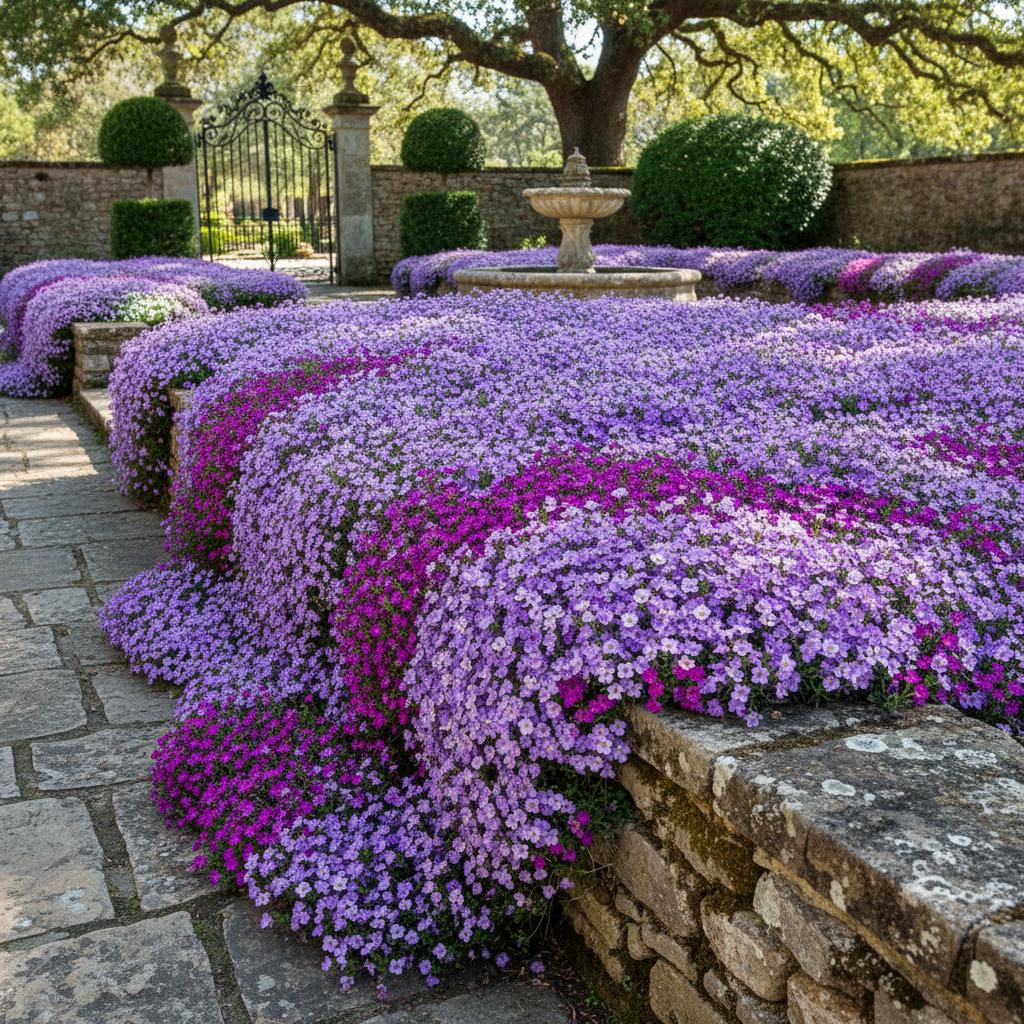
- Flowers: Four-petaled, cross-shaped, vibrant purple, pink, or white, blooming profusely in racemes;
- Stems: Trailing, highly branched, woody at the base, rooting at the nodes.
Care Guide
Watering
Water moderately during active growth and blooming, allowing soil to dry between waterings.
Fertilization
Apply a light, low-nitrogen fertilizer once as new growth appears.. Requires very little feeding; over-fertilization reduces flowering and causes floppy growth.
Eggshell Powder:Crush clean, dry eggshells into a fine powder and sprinkle around the base to provide calcium and slightly raise soil pH, which this alpine plant appreciates.Pruning
- Shear back the foliage by half immediately after flowering to maintain a compact, dense habit;
- Remove dead or damaged stems in early spring before new growth begins;
- Avoid heavy pruning in late autumn to protect the crown during winter.
Toxicity
Warning: this plant may be toxic.
Pets & Humans
Pets: Non-toxic per ASPCA guidelines.
Humans: No known toxicity; generally safe to handle and cultivate.
Garden Uses & Culture
Culture: A staple of traditional English rock gardens and alpine troughs, celebrated in Victorian horticulture for its ability to soften harsh stone walls with vivid spring color.
Usage: Widely used as ground cover, edging, in rockeries, and cascading over dry stone walls.