 PlantFun
Plant Needs
Characteristics
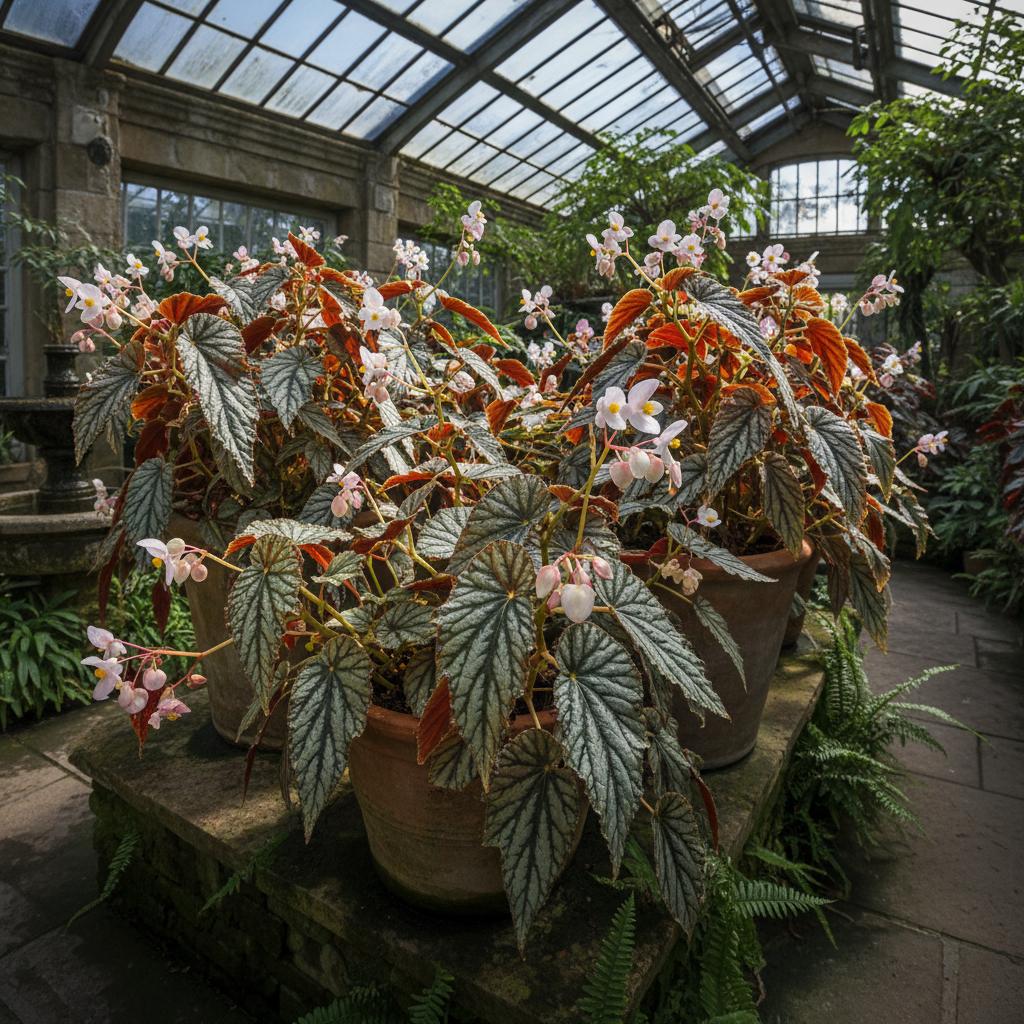
- Leaves: Asymmetrical, ovate to broadly ovate, margins irregularly serrate, upper surface green and sparsely hispid, lower surface pale green or reddish.
- Flowers: Fragrant, pinkish-white; staminate flowers with 4 tepals, pistillate flowers with 3 to 4 tepals; inflorescence cymose.
- Rhizome: Stout, creeping, rooting at the nodes, with brownish stipules.
Care Guide
Water thoroughly when the top inch of soil feels dry, maintaining high ambient humidity.
Apply a balanced, water-soluble fertilizer diluted to half strength.. Do not fertilize during the winter dormancy period.
Banana Peel Tea:Steep chopped banana peels in water for 24 hours, strain, and dilute 1:1 with water. Apply to the soil to support root health and blooming. Avoid leaving solid peels on the soil surface to prevent pests.- Remove yellowing or dead leaves at the base to maintain hygiene and prevent rot.
- Snip off spent flower stalks to redirect the plant's energy into foliage growth.
- Trim back leggy rhizomes in early spring to encourage a bushier, more compact shape.
Toxicity
Warning: this plant may be toxic.
Pets: Toxic per ASPCA. Ingestion causes oral irritation, intense burning of mouth/lips, excessive drooling, and vomiting. Tubers are the most toxic part.
Humans: Contains soluble calcium oxalates; ingestion may cause oral irritation and mild gastrointestinal upset.
Garden Uses & Culture
Culture: In Victorian flower language, begonias often symbolized caution or deep thoughts, reflecting their delicate and sometimes challenging nature to cultivate.
Usage: - **Ornamental**: Highly valued as an indoor potted plant or terrarium specimen due to its attractive foliage and fragrant flowers.