 PlantFun
Plant Needs
Sunlight
Prefers full sun but tolerates partial shade in warmer lowland climates.
Watering
Requires moderate watering during active growth but demands excellent drainage; highly susceptible to winter rot.
Temperature
Extremely cold hardy; prefers cool summer temperatures typical of alpine environments.
Characteristics
- Leaves: Basal rosette of hairy, lanceolate to spatulate leaves; stem leaves are alternate and progressively smaller;
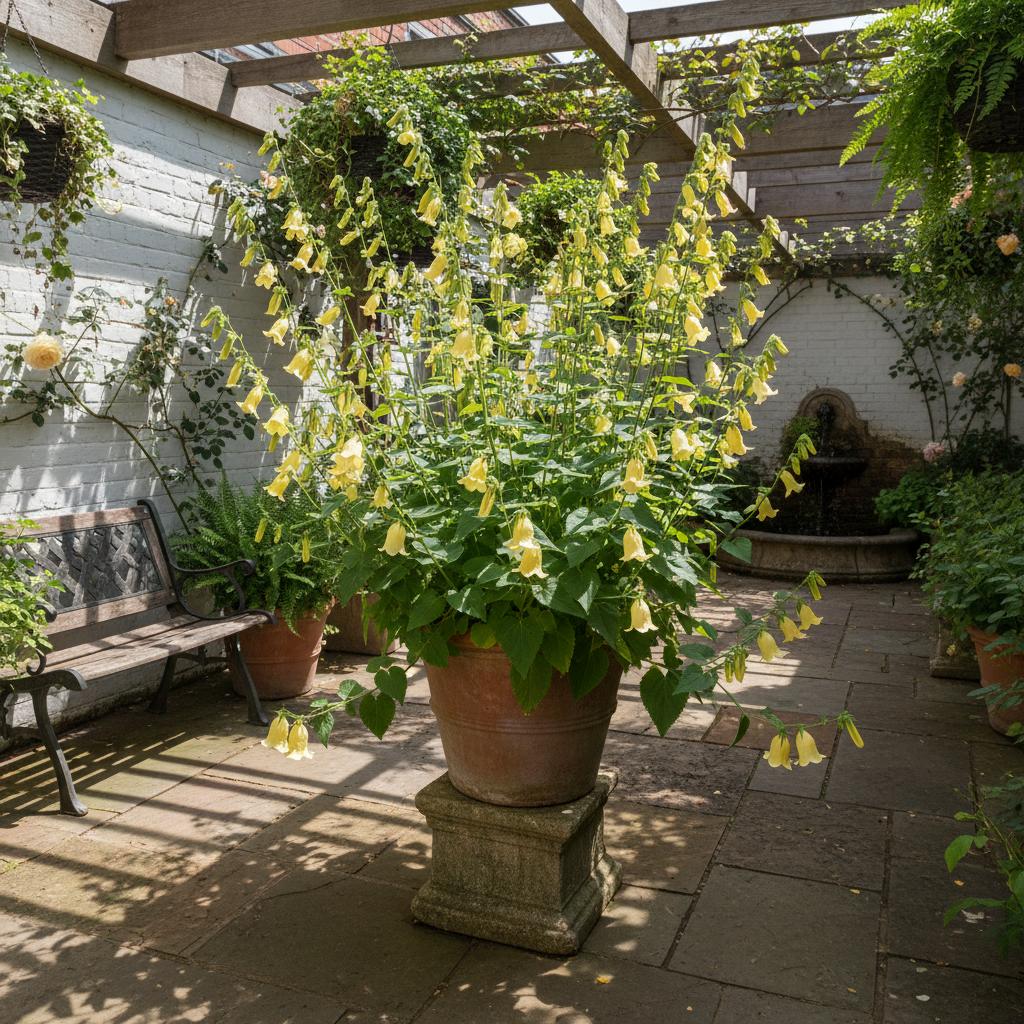
- Flowers: Pale yellow, bell-shaped (campanulate), densely packed in a thick, cylindrical, spike-like thyrse;
- Stem: Erect, stout, unbranched, and covered in bristly hairs;
- Roots: Deep, thick taproot adapted to rocky alpine soils.
Care Guide
Watering
Water moderately, allowing the soil to dry out between waterings.
Fertilization
Apply a very light, low-nitrogen top dressing if grown in poor soil.. Requires very lean soil; over-fertilizing causes floppy growth and reduces winter hardiness.
Crushed Eggshells:Wash, dry, and crush eggshells into a fine powder. Sprinkle around the base to provide calcium, mimicking its native limestone scree habitat. Avoid high-nitrogen DIY fertilizers like coffee grounds.Pruning
- Leave the flower stalk to set seed, as the plant is typically monocarpic (dies after flowering);
- Remove dead basal leaves in early spring to prevent fungal issues;
- Collect seeds in late summer for propagation.
Toxicity
Warning: this plant may be toxic.
Pets & Humans
Pets: Non-toxic to cats (per ASPCA guidelines for the genus).
Humans: Non-toxic to humans.
Garden Uses & Culture
Culture: Highly prized in European rock gardening for its architectural form and unusual yellow color, breaking the traditional blue mold of bellflowers.
Usage: Ideal for rock gardens, alpine troughs, and scree beds.