 PlantFun
Plant Needs
Characteristics
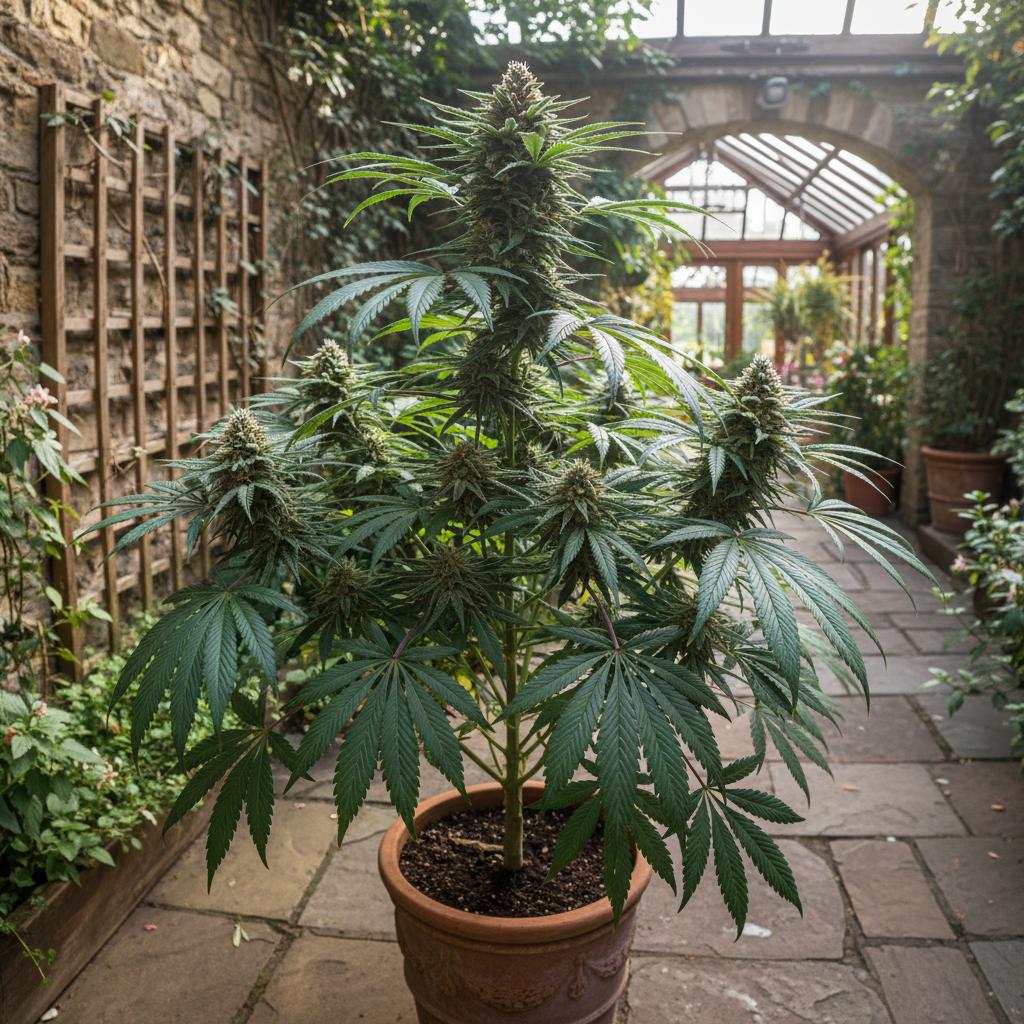
- Leaves: Palmately compound, typically with 5 to 9 lanceolate leaflets, margins coarsely serrated, dark green.
- Flowers: Dioecious; female plants produce dense, resinous floral clusters (buds) covered in glandular trichomes; male plants produce loose, branching panicles.
- Stem: Erect, grooved, often hollow, with a fibrous inner bark.
Care Guide
Water deeply when the topsoil feels dry, usually every 2-3 days depending on heat.
High nitrogen fertilizer to support rapid vegetative growth.. Feed regularly during active growth, but flush with plain water in the final weeks before harvest.
Banana Peel Tea:Steep chopped banana peels in water for 24-48 hours. Dilute 1:1 with water and apply during the flowering stage to boost bud development. Avoid leaving raw peels on the soil to prevent pests.- Topping: Cut off the main stem's growing tip to encourage lateral branching and multiple colas.
- Defoliation: Remove large, lower fan leaves that block light to lower bud sites.
- LST (Low Stress Training): Gently bend and tie down branches to create an even canopy for better light distribution.
Toxicity
Warning: this plant may be toxic.
Pets: Toxic to cats (per ASPCA). Ingestion can lead to severe neurological and gastrointestinal symptoms.
Humans: Psychoactive effects due to cannabinoids (THC); causes intoxication, altered perception, and tachycardia. Not typically fatal but can cause severe anxiety or cognitive impairment in high doses.
Garden Uses & Culture
Culture: In Western culture, it has a long history of cultivation for hemp fiber used in ropes and sails during the Age of Sail. In modern times, it has been the center of significant legal, medical, and cultural debates regarding its recreational and therapeutic use.
Usage: Cultivated for medicinal and recreational use (flowers/resin), industrial fiber (stems), and nutritious seeds (oil/food).