 PlantFun
Plant Needs
Characteristics
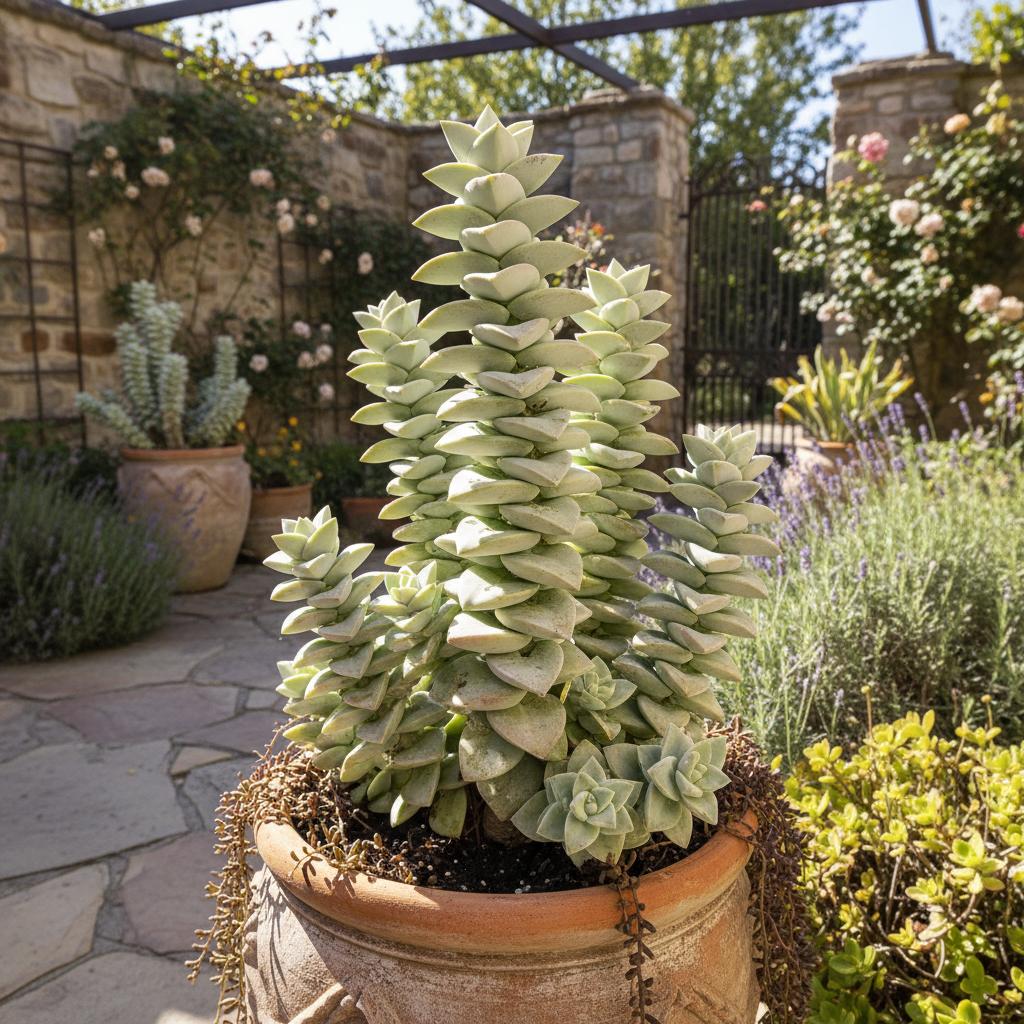
- Leaves: Fleshy, obovate to elliptic, opposite, glossy green, often developing red margins when exposed to bright sunlight;
- Stems: Stout, heavily branched, becoming woody and brown with age, storing significant water;
- Flowers: Small, star-shaped, white or pale pink, appearing in dense terminal clusters during winter.
Care Guide
Water thoroughly when the soil is completely dry, allowing excess water to drain.
Apply a diluted, balanced liquid succulent fertilizer once.. Do not fertilize during the winter dormancy period.
Banana Peel Tea:Soak chopped banana peels in water for 24 hours, strain, and dilute 1:1 with water. Use this to water the plant, providing potassium for strong cellular structure. Discard the solid peels in compost to avoid attracting pests or mold to the indoor soil.- Pinch back: Pinch off new growth tips to encourage a bushier, more branched structure;
- Remove dead leaves: Gently remove any shriveled or fallen leaves from the soil surface to prevent fungal issues;
- Shape: Prune leggy or top-heavy stems in spring to maintain a balanced, tree-like form.
Toxicity
Warning: this plant may be toxic.
Pets: Toxic to cats per ASPCA. Ingestion can cause vomiting, depression, ataxia, and rarely bradycardia.
Humans: Generally non-toxic to humans, but ingestion of large amounts may cause mild gastrointestinal upset, and sap can cause minor skin irritation.
Garden Uses & Culture
Culture: Widely embraced in Western homes as a classic housewarming gift, symbolizing enduring friendship and prosperity due to its long lifespan and resilient nature.
Usage: Popular as a low-maintenance indoor houseplant, a subject for succulent bonsai, and used in xeriscaping in frost-free climates.