 PlantFun
Plant Needs
Characteristics
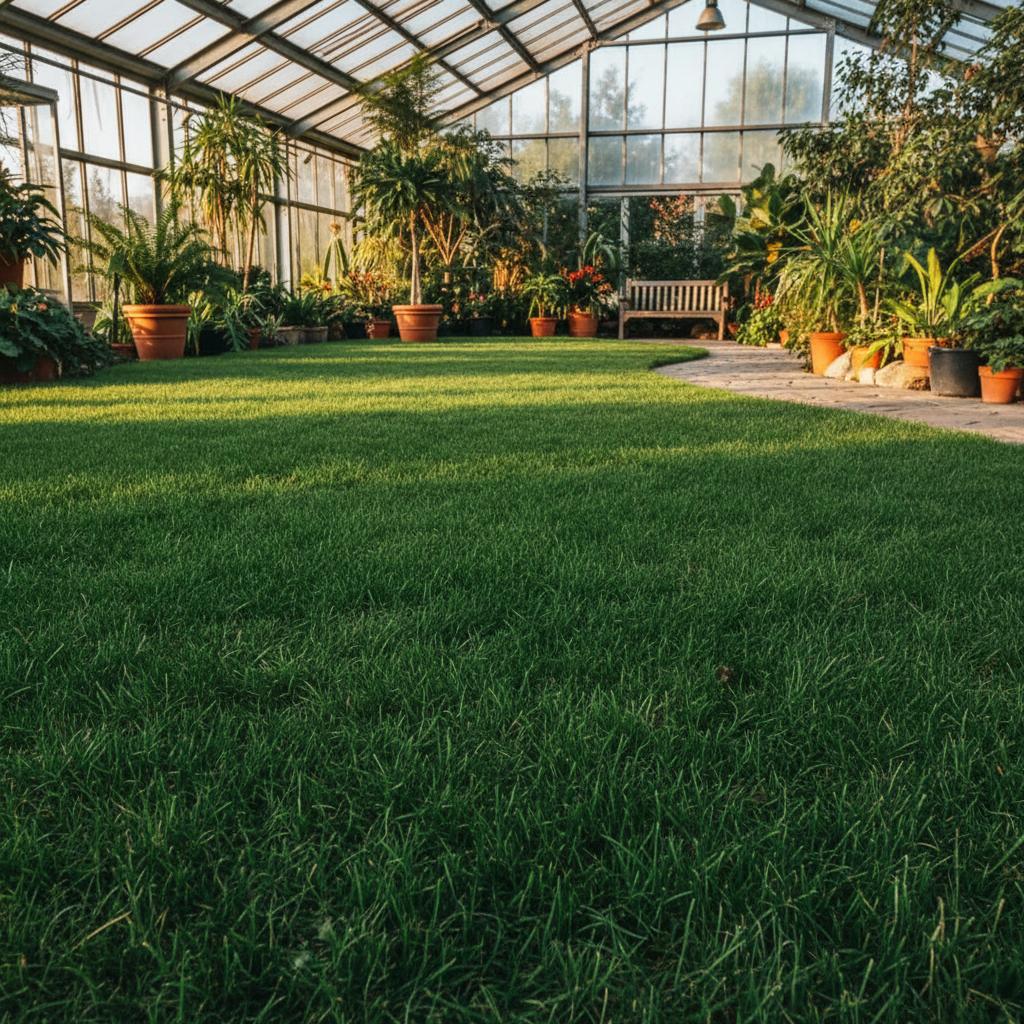
- Leaves: Fine-textured, dark green blades, folded in the bud, with a conspicuous fringe of hairs at the ligule;
- Stems: Spreads aggressively via robust above-ground stolons and below-ground rhizomes, forming a dense mat;
- Flowers: As a sterile triploid hybrid, it rarely produces seed heads; if present, inflorescence is a digitate panicle with 3-5 spikes;
- Roots: Deep, fibrous root system providing excellent drought tolerance.
Care Guide
Water deeply 1-2 times a week, providing about 1 inch of water to encourage deep root growth.
Apply nitrogen-rich fertilizer once green-up is complete.. Requires frequent fertilization during the growing season to maintain its dense, fine texture.
Grass Clipping Mulch:Leave finely mulched grass clippings on the lawn after mowing to naturally return nitrogen to the soil. Alternatively, steep aged compost in water to make a compost tea spray. Avoid applying thick layers of uncomposted material which can smother the fine turf.- Mowing: Mow frequently (every 2-3 days during peak growth) using a reel mower to maintain a height of 0.5 to 1.5 cm;
- Dethatching: Verticut or dethatch annually in late spring or early summer to remove thatch buildup;
- Aeration: Core aerate during the active growing season to relieve soil compaction and improve root health.
Toxicity
Warning: this plant may be toxic.
Pets: Non-toxic to cats per ASPCA; ingestion of grass may cause mild, self-limiting mechanical stomach upset.
Humans: Non-toxic to humans; no adverse effects expected from contact.
Garden Uses & Culture
Culture: Developed in 1956, 'Tifgreen' revolutionized golf course architecture in the southern United States, setting a new standard for high-quality, heat-tolerant putting greens.
Usage: Extensively used for golf course putting greens, tees, fairways, lawn tennis courts, lawn bowling greens, and premium residential landscapes.