PlantFun
Plant Needs
Characteristics
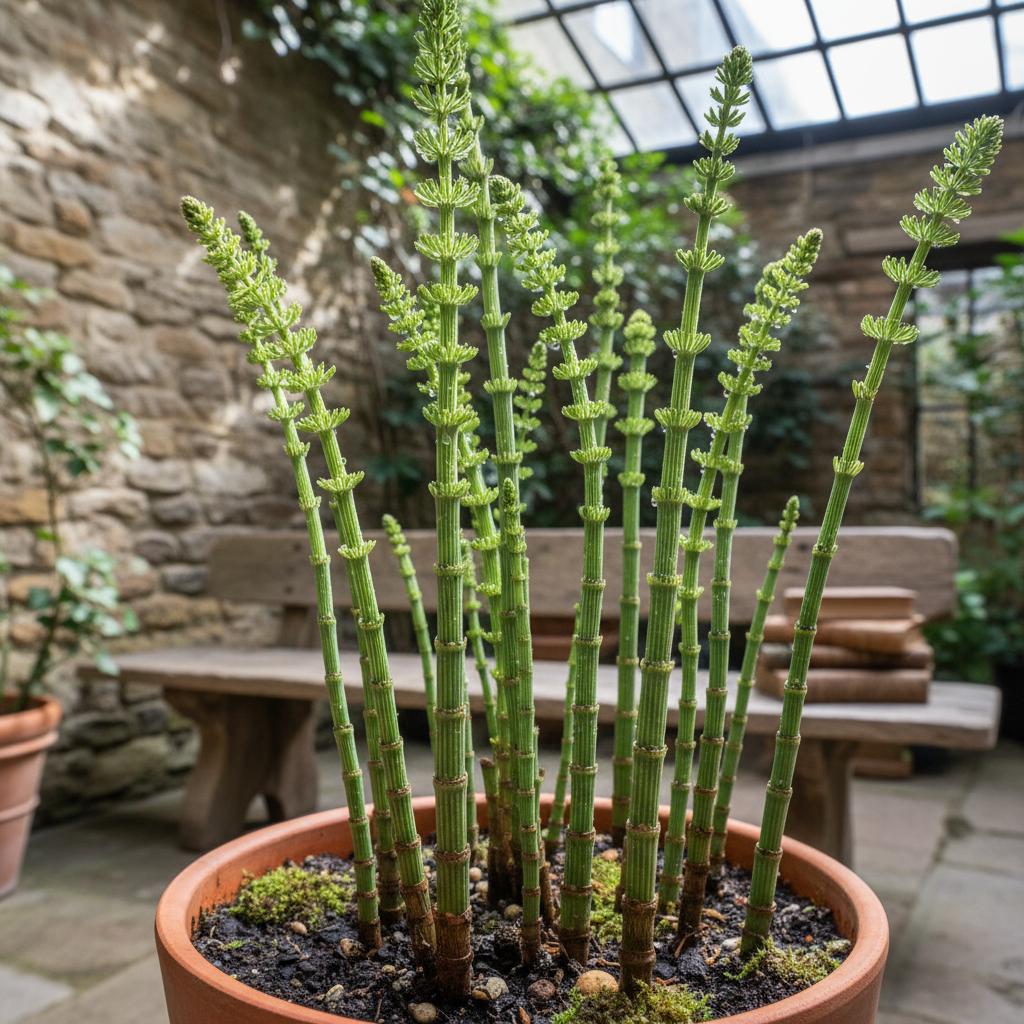
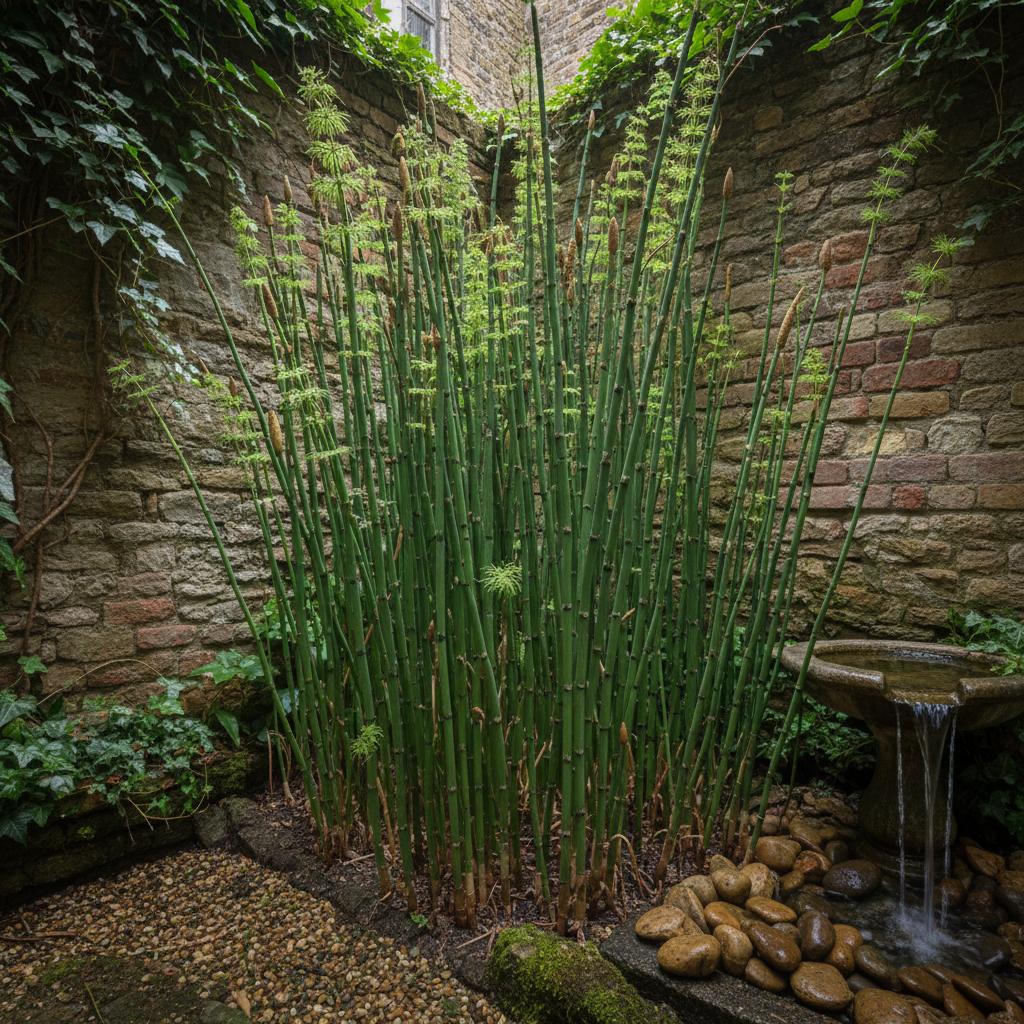
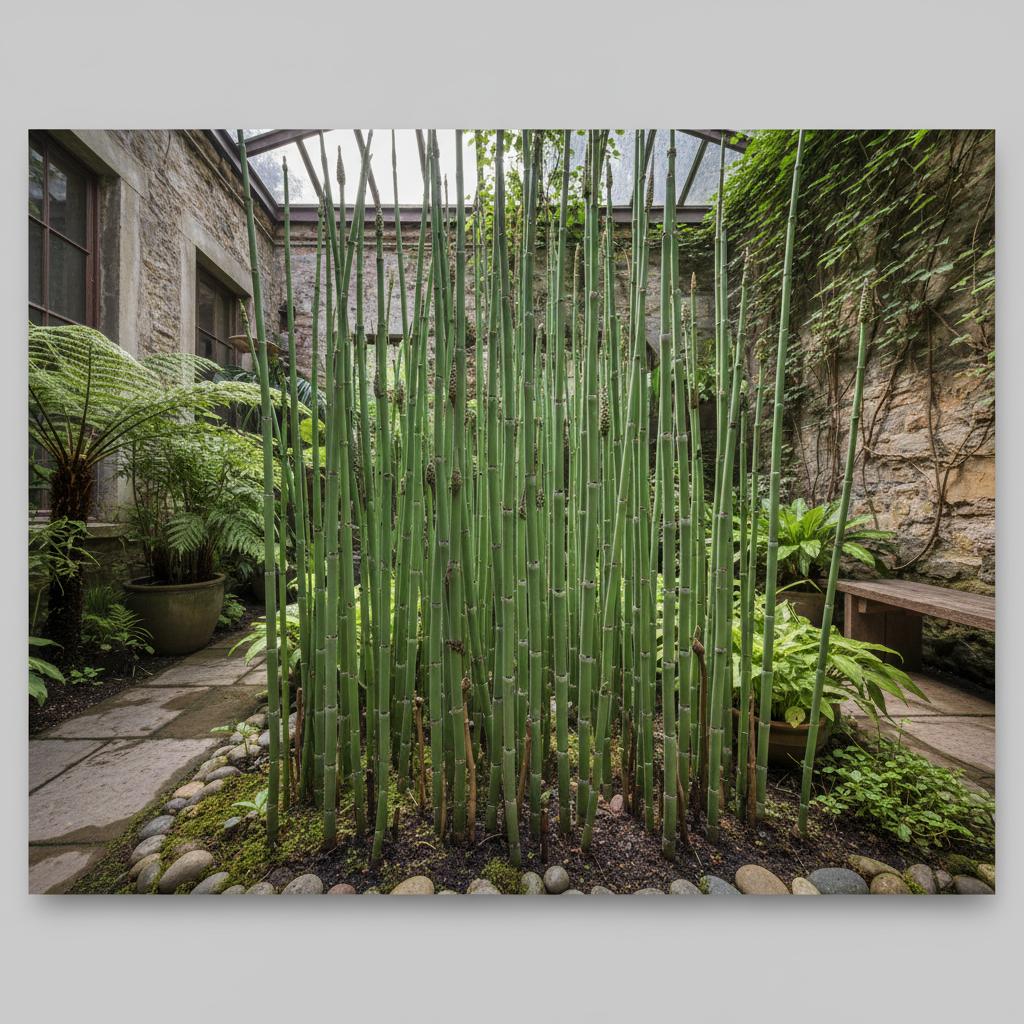
- Stem: Hollow, segmented, green, ribbed, with no true leaves
- Strobilus: Cone-like spore-bearing structure at stem tips, brownish in color
- Foliage: Reduced to tiny, scale-like sheaths encircling stem joints
Horticulturist's Insider Field Notes (No AI Fluff)
Never water on a strict calendar. Stick your index finger 2 inches into the soil. If it feels cool and damp, wait 2–3 days. If bone dry, water thoroughly until it drains from the bottom holes.
The #1 houseplant killer is water sitting in the catch tray. Stagnant runoff water starves roots of oxygen and causes root rot.
Houseplants naturally lean toward the nearest window light. Give the pot a quarter-turn biweekly to maintain balanced, symmetrical architecture.
Dust on leaves acts like a heavy sunshade. Gently wipe broad foliage with a damp cloth monthly to maximize photosynthesis and air purification.
Care Guide
Maintain evenly moist soil; increase watering frequency during prolonged hot, dry spells
Apply diluted balanced liquid fertilizer once per month. Use a low-nitrogen fertilizer to promote strong, healthy stem growth
Banana peel compost tea:Use fully composted banana peels to avoid odor and pest issues; dilute 1:20 with water for root drench applications- Cut back dead, brown stems to ground level in late winter to encourage new spring growth
- Thin overcrowded clumps every 2-3 years to improve airflow and reduce competition
- Remove yellowing or damaged stems as needed to maintain a tidy appearance
Pet & Human Toxicity & Emergency Guide
Toxicity Warning: Veterinary toxicology registers Smooth Horsetail (Equisetum laevigatum) as possessing biochemical compounds (such as insoluble oxalates, alkaloids, or saponins) that pose ingestion hazards to felines and canines.
Oral pain, hypersalivation (excessive drooling), pawing at mouth, swelling of tongue or lips, vocalization, and vomiting.
Oral mucosal irritation, gagging, retching, lack of appetite, lethargy, diarrhea, and difficulty swallowing.
Do NOT induce vomiting without veterinary instructions! Carefully remove remaining plant pieces, gently rinse mouth with cool water, and monitor breathing.
Chewed leaf or stem? Open PlantFun App to scan the plant, immediately verify the botanical species, and view ASPCA toxicity severity ratings & vet first-aid advice.
Troubleshooting & Common Plant Problems
Quick diagnostic guide for common care issues affecting Smooth Horsetail (Equisetum laevigatum):
Most commonly caused by overwatering or poor drainage. Ensure topsoil dries out between waterings and check for root ventilation.
Low ambient humidity, hard tap water minerals, or direct midday sunburn. Increase humidity and use filtered water.
Indicates dehydration or root damage from prolonged waterlogging. Inspect soil moisture and root firmness.
Dry indoor air encourages pests. Wipe leaves with a damp cloth and treat with insecticidal soap or neem oil.
Take a photo of any leaf on PlantFun App to get instant diagnosis of diseases, pests, and custom care recovery steps.
Propagation & Repotting Guide
- Taking Cuttings: During active spring or summer growth, take a healthy 4–6 inch cutting just below a node using clean shears.
- Rooting Medium: Place cuttings in fresh water or moist perlite mix in bright, indirect light; refresh water weekly.
- Potting Up: Transplant into well-draining potting mix once roots reach 2 inches in length (typically 3–5 weeks).
Seasonal Care Calendar
- Spring & Summer (Active Growth): Water thoroughly as topsoil dries; apply diluted balanced fertilizer monthly; encourage steady growth.
- Autumn (Transition): Gradually reduce watering frequency as daylight hours shorten; discontinue fertilization.
- Winter (Dormancy): Water sparingly only when soil is mostly dry; protect from cold window drafts; keep in warm room.
Frequently Asked Questions
How often should I water my Smooth Horsetail?
Water thoroughly when the top 1–2 inches of soil feel dry. In active growth (spring/summer), water every 1–2 weeks; reduce significantly in winter.
Where is the best indoor location for Smooth Horsetail?
Position in bright, filtered indirect light (e.g., near an east or south-facing window with sheer curtains). Avoid harsh direct midday sun.
Is Smooth Horsetail toxic to pets?
ASPCA: Contains thiaminase, which breaks down thiamine, leading to potentially severe thiamine deficiency with prolonged ingestion
When should I repot my Smooth Horsetail?
Repot every 1–2 years in spring when roots outgrow the drainage holes or the soil depletes nutrients.
Garden Uses & Culture
Culture: N/A
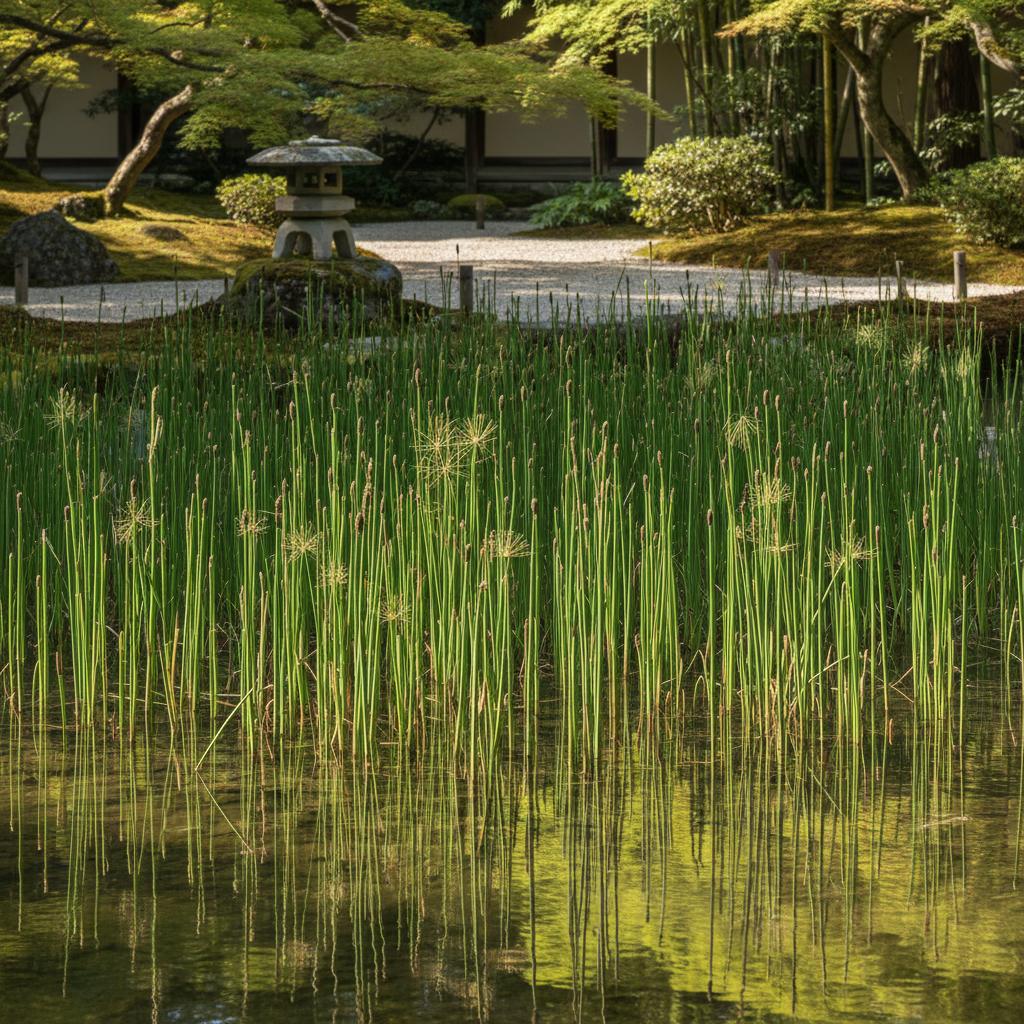
Usage: Historically used for scouring metal and polishing wood due to its high silica content; currently grown as an ornamental for water features
Every home has different pot sizes, humidity, and airflow. Take a photo on PlantFun App to calculate your exact watering countdown and access 24/7 AI diagnostic care!