 PlantFun
Plant Needs
Sunlight
Prefers full sun but can tolerate partial shade.
Watering
Requires moderate watering; drought-tolerant once established.
Temperature
Hardy and adaptable, tolerating winter freezes and summer heat.
Characteristics
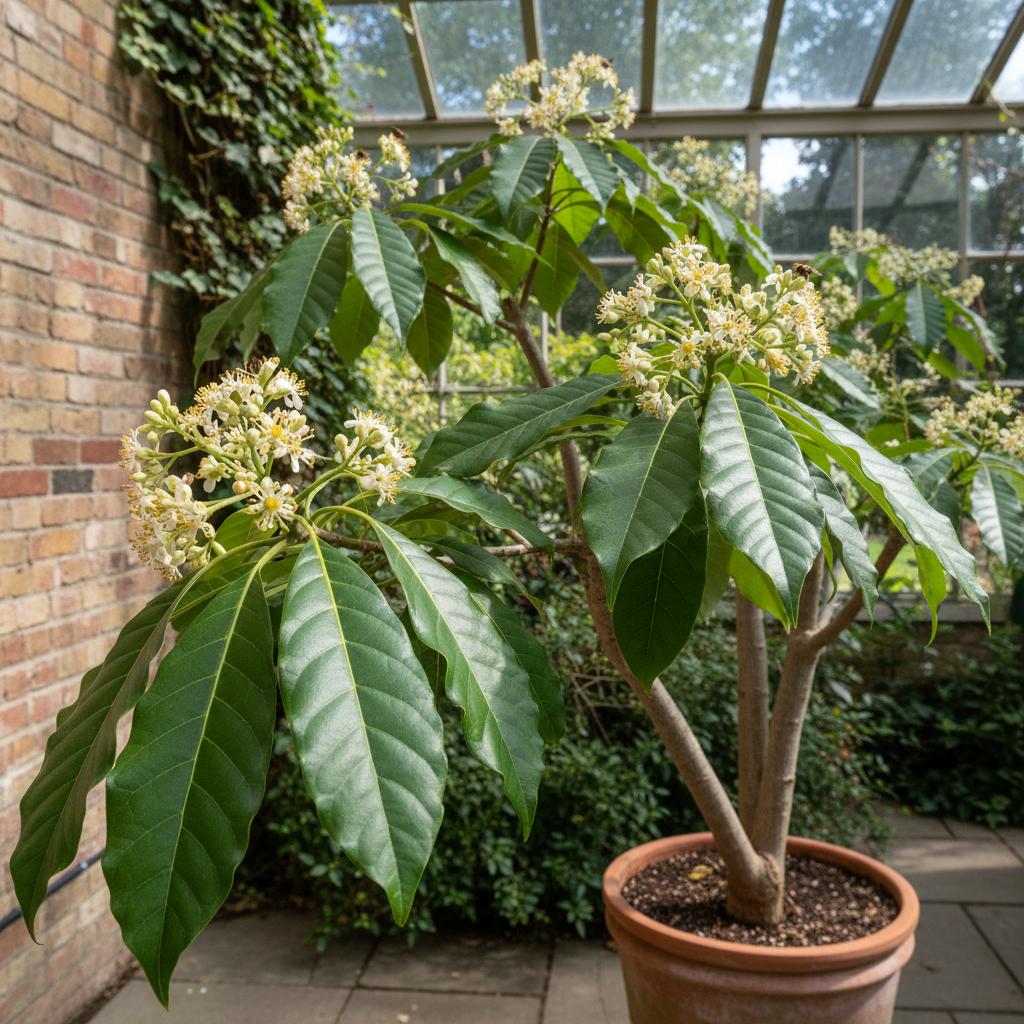
- Leaves: Opposite, pinnately compound with 5-11 ovate to lanceolate leaflets, dark green above, paler beneath, aromatic when crushed;
- Flowers: Small, white to yellowish-white, fragrant, borne in broad, flat-topped terminal corymbs;
- Fruits: Reddish to purplish-black beaked capsules that split open to reveal shiny black seeds in autumn;
- Bark: Smooth and grayish, developing slight fissures with age.
Care Guide
Watering
Water deeply once a week during active growth and dry spells
Fertilization
Apply a light layer of compost or organic mulch at the base. Generally does not require heavy fertilization if planted in decent soil.
Coffee Grounds and Banana Peel Mix:Steep banana peels and used coffee grounds in water for 24 hours. Dilute 1:1 with water and pour around the drip line. Avoid applying directly against the trunk to prevent rot.Pruning
- Prune in late winter or early spring while the tree is dormant;
- Remove dead, diseased, or crossing branches to maintain a healthy canopy;
- Train young trees to a central leader for better structural stability.
Toxicity
Warning: this plant may be toxic.
Pets & Humans
Pets: Non-toxic to cats per general botanical records.
Humans: No known toxicity to humans; not considered edible.
Garden Uses & Culture
Culture: Highly valued by Western beekeepers and apiarists as a crucial late-season nectar source, earning it the popular moniker "Bee Bee Tree" in North America and Europe.
Usage: - Planted as an ornamental shade tree in parks and large gardens; - Cultivated specifically for honey production due to its prolific late-summer blooms.