 PlantFun
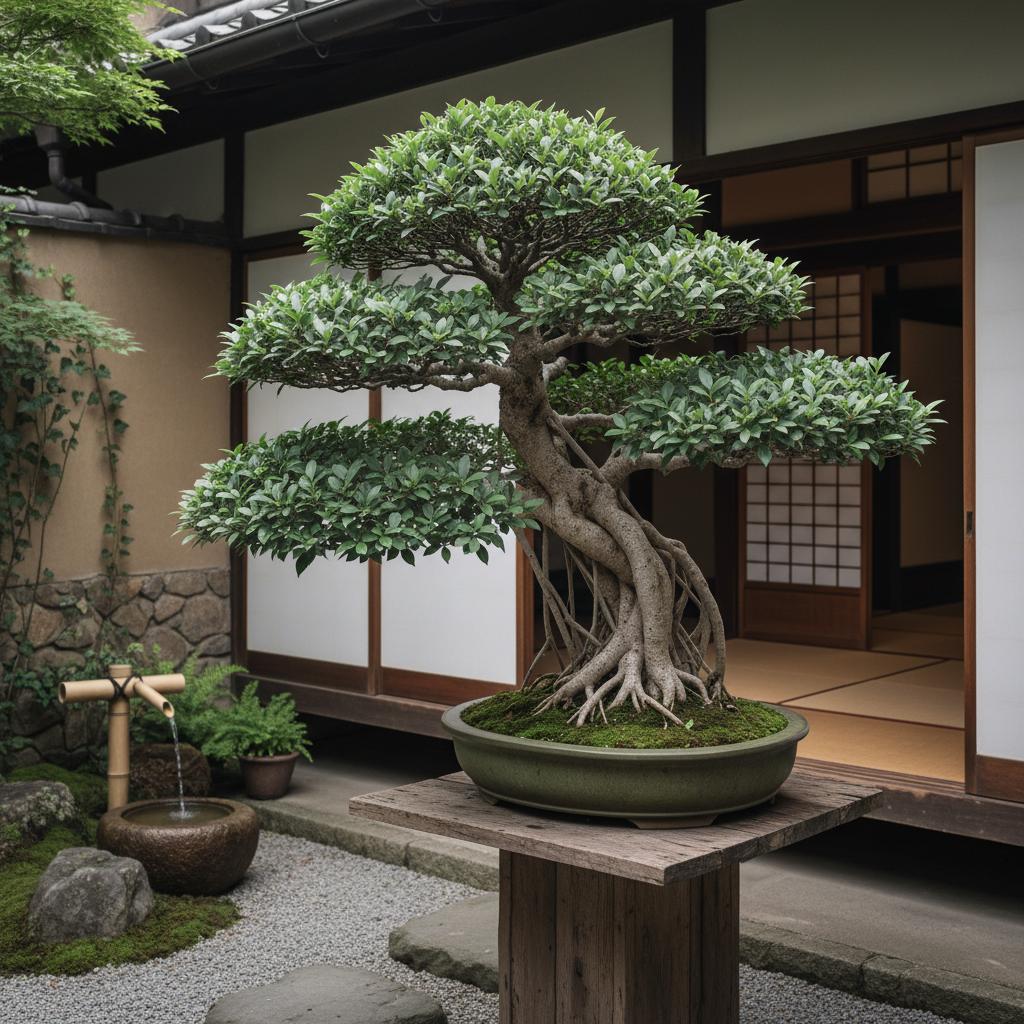
Plant Needs
Sunlight
Prefers bright, indirect light to full sun; tolerates partial shade but growth may slow.
Watering
Water thoroughly when the top 1-2 inches of soil feel dry to the touch. Ensure good drainage.
Temperature
Thrives in warm environments; protect from drafts and freezing temperatures.
Characteristics
- Leaves: Alternate, simple, leathery, elliptic to obovate, glossy green, 5-8 cm long with entire margins;
- Flowers: Enclosed within a fleshy receptacle (syconium), typical of figs, rarely seen indoors;
- Bark: Smooth, light gray; develops prominent aerial roots that can become trunk-like in high humidity;
- Stems: Exude a milky white latex sap when cut or broken.
Care Guide
Watering
Water moderately, allowing the topsoil to dry out between waterings.
Fertilization
Apply a balanced liquid fertilizer diluted to half strength.. Do not fertilize during the winter dormancy period.
Banana Peel Tea:Steep chopped banana peels in water for 24-48 hours. Strain and dilute 1:1 with water before applying to the soil. Avoid leaving solid peels on the soil surface to prevent mold and gnats.Pruning
- Prune regularly during the active growing season to maintain shape, especially if grown as a bonsai;
- Wear gloves when pruning to protect skin from the irritating milky sap;
- Remove dead, yellowing, or crossing branches to improve air circulation.
Toxicity
Warning: this plant may be toxic.
Pets & Humans
Pets: Toxic to cats per ASPCA. Ingestion of leaves or sap can cause gastrointestinal and dermal irritation.
Humans: Milky sap can cause skin irritation or allergic dermatitis upon contact.
Garden Uses & Culture
Culture: N/A
Usage: Widely used as an ornamental houseplant, a popular subject for indoor bonsai, and a shade tree in warm urban environments.