 PlantFun
Plant Needs
Characteristics
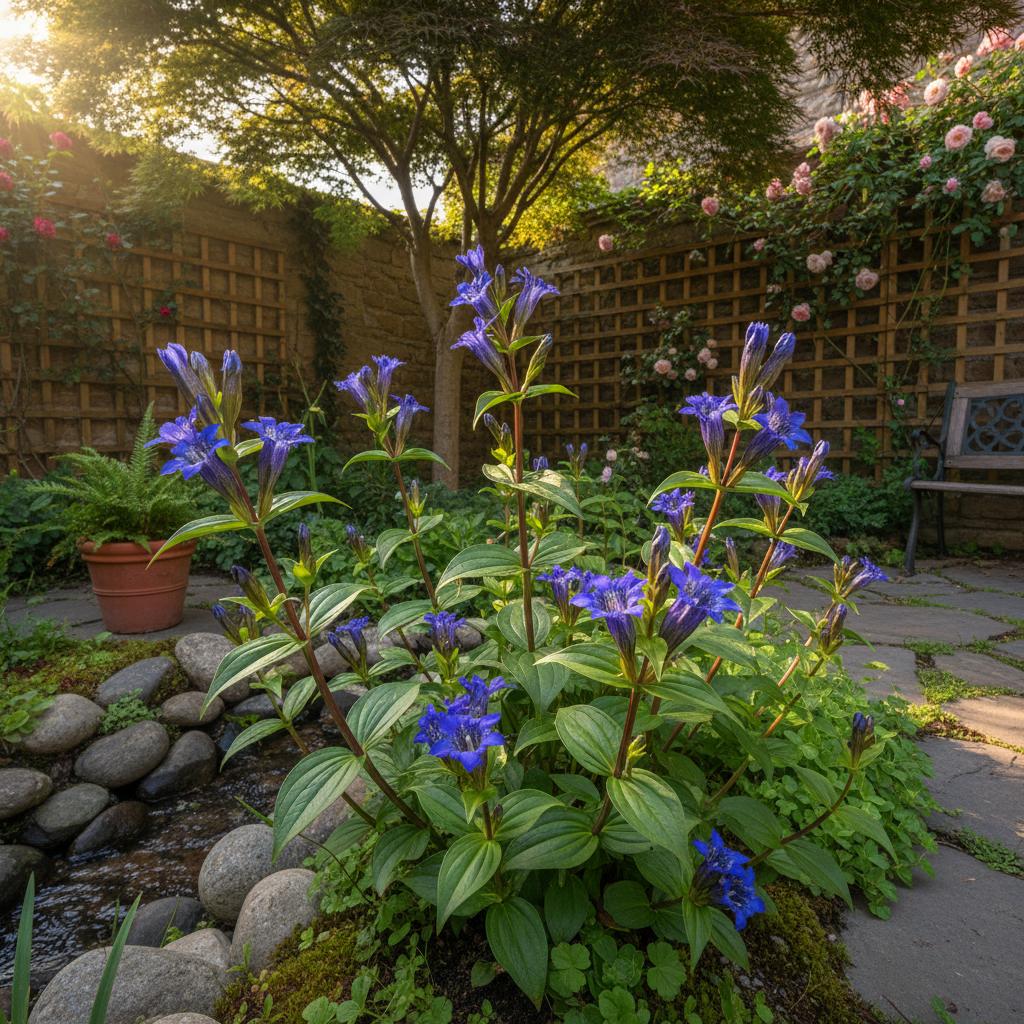
- Leaves: Opposite, lanceolate to ovate-lanceolate, 5-8 cm long, with prominent longitudinal veins resembling those of milkweeds (Asclepias), sessile, and entire margins;
- Flowers: Trumpet-shaped (campanulate), 3-5 cm long, deep blue (rarely white) with paler spotting inside, borne in the axils of the upper leaves in pairs or small clusters;
- Stems: Gracefully arching, unbranched, leafy throughout;
- Roots: Thick, fleshy rhizomes adapted to woodland soils.
Care Guide
Keep soil consistently moist but not waterlogged; water deeply during dry spells.
Apply a light top-dressing of organic compost or a weak organic feed as new growth emerges.. Light feeding is sufficient; this woodland species thrives in naturally rich, decaying organic matter.
Used Tea Leaves:Sprinkle used, cooled tea leaves (black or green) around the base of the plant and gently scratch into the soil. This provides a gentle nutrient boost and helps maintain the slightly acidic woodland soil conditions it prefers.- Autumn/Spring: Cut back dead stems to the base in late autumn or early spring before new growth begins;
- Summer: No pruning required during the growing season;
- Maintenance: Remove any damaged or diseased leaves to maintain airflow.
Toxicity
Warning: this plant may be toxic.
Pets: Non-toxic per general botanical consensus; the intensely bitter taste usually deters ingestion.
Humans: Generally safe; however, the plant contains extremely bitter compounds (secoiridoids) that may cause mild stomach upset if consumed in large quantities.
Garden Uses & Culture
Culture: In European alpine and woodland traditions, gentians are celebrated as symbols of late summer and early autumn, often associated with purity, resilience, and the transition of seasons in mountainous regions.
Usage: Excellent ornamental plant for woodland gardens, shaded borders, and naturalized areas. Historically, the roots of many Gentiana species were used to make bitter tonics for digestion.