 PlantFun
Plant Needs
Characteristics
- Leaves: Opposite, lanceolate to ovate, entire margins; basal rosette leaves are often withered by the time of flowering.
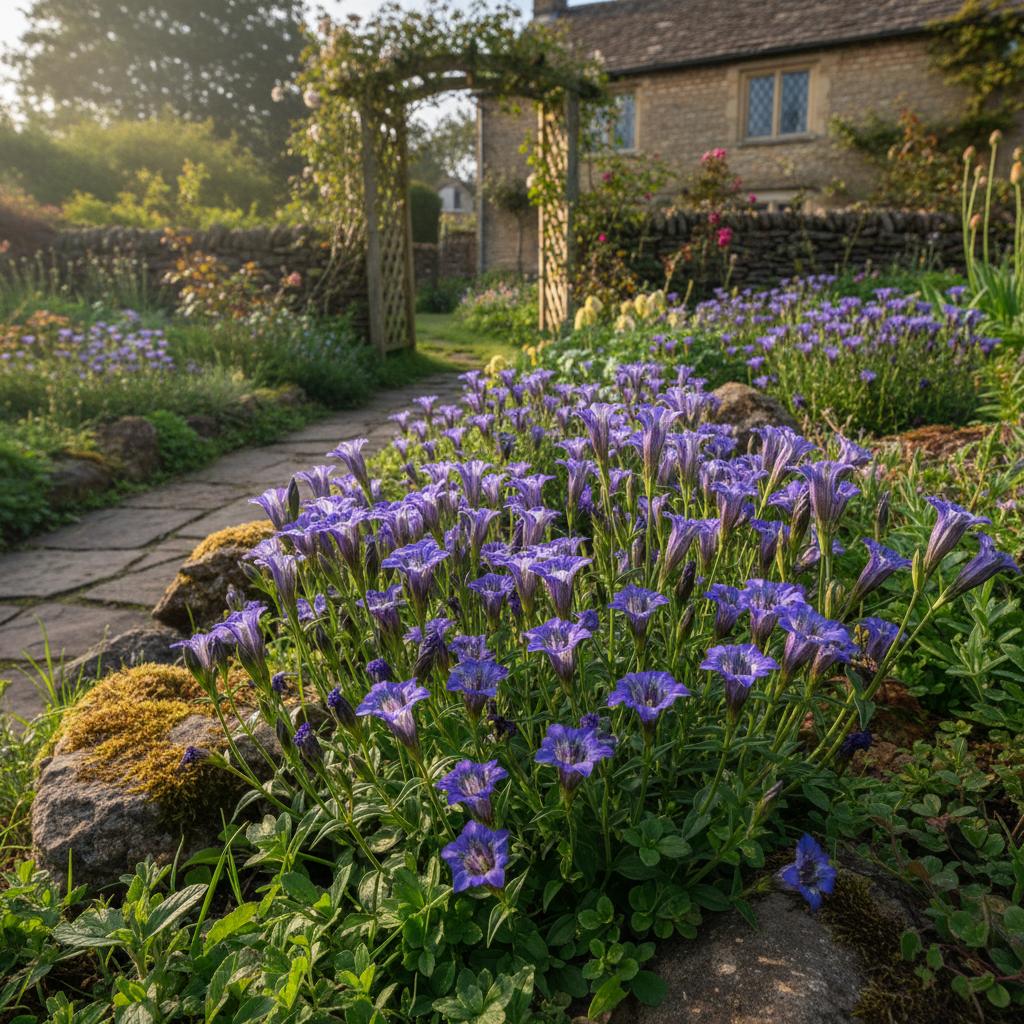
- Flowers: Purplish-blue to lilac, rarely white, tubular-campanulate, typically 4-merous (four petals) with a conspicuously fringed throat.
- Stem: Erect, often branched from the base, glabrous, and slightly ridged.
- Calyx: Deeply divided into four unequal lobes, two outer lobes being distinctly broader than the two inner ones.
Care Guide
Keep soil consistently moist but not soggy during active growth and blooming.
Apply a very light, low-nitrogen organic feed if soil is extremely poor.. This species thrives in low-nutrient environments; excessive fertilization will harm it.
Eggshell Tea:Crush clean, dried eggshells and steep in water for 3-4 days. Strain and use the water to provide gentle minerals without overloading this low-nutrient alpine plant. Avoid high-nitrogen materials.- Deadheading: Remove spent flowers if you wish to tidy the plant, but leave some if you want it to self-seed.
- End of Season: As a biennial, the plant will die after setting seed; clear away dead debris in late autumn to prevent rot.
Toxicity
Warning: this plant may be toxic.
Pets: Non-toxic per general botanical safety guidelines; bitter taste usually deters ingestion.
Humans: Generally non-toxic; historically used in bitter herbal tonics, though not considered a food plant.
Garden Uses & Culture
Culture: In European folklore, gentians are often associated with victory, resilience, and overcoming hardship, largely due to their ability to thrive in harsh alpine environments and their intensely bitter roots used in traditional remedies.
Usage: - **Ornamental**: Grown in alpine houses, rockeries, and wild meadow gardens. - **Medicinal**: Historically, the bitter roots of Gentiana species were used to stimulate digestion and treat gastric ailments.