 PlantFun
Plant Needs
Sunlight
Full sun to partial shade; prefers morning sun and afternoon shade in hot climates.
Watering
Keep soil evenly moist but not waterlogged; do not let it dry out completely.
Temperature
Frost tender; thrives in warm summer temperatures.
Characteristics
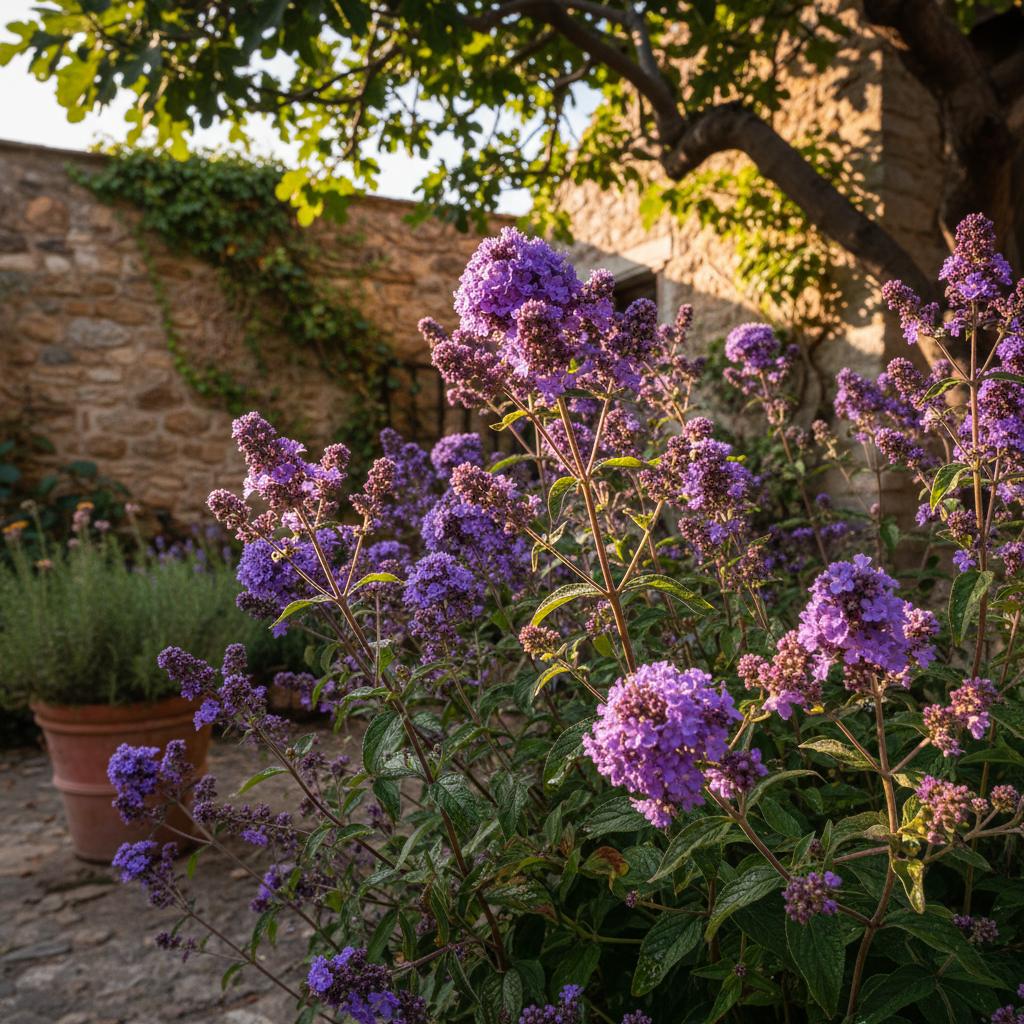
- Leaves: Dark green, ovate to lanceolate, deeply veined and wrinkled, slightly hairy on the surface;
- Flowers: Small, five-lobed, deep purple to pale lavender, arranged in dense, coiled scorpioid cymes, highly fragrant with a vanilla scent;
- Stem: Woody at the base, branching, pubescent, green turning brown with age.
Care Guide
Watering
Keep soil consistently moist but not waterlogged.
Fertilization
Apply a balanced liquid fertilizer to encourage growth.. Heavy feeder during the blooming season; requires regular nutrient replenishment.
Banana Peel Tea:Steep chopped banana peels in water for 48 hours, dilute 1:1 with water. Avoid foul odors by not over-steeping. Great for promoting abundant blooms.Pruning
- Pinch back young plants to encourage bushiness;
- Deadhead spent flowers regularly to prolong the blooming period;
- Prune lightly in early spring if overwintering indoors.
Toxicity
Warning: this plant may be toxic.
Pets & Humans
Pets: Toxic per ASPCA; ingestion can cause liver damage and gastrointestinal upset.
Humans: Contains pyrrolizidine alkaloids which can cause liver toxicity if ingested in large amounts over time.
Garden Uses & Culture
Culture: In Victorian floriography, the heliotrope symbolizes eternal love and devotion.
Usage: Ornamental bedding plant, container gardening, and historically used in perfumery.