 PlantFun
Plant Needs
Characteristics
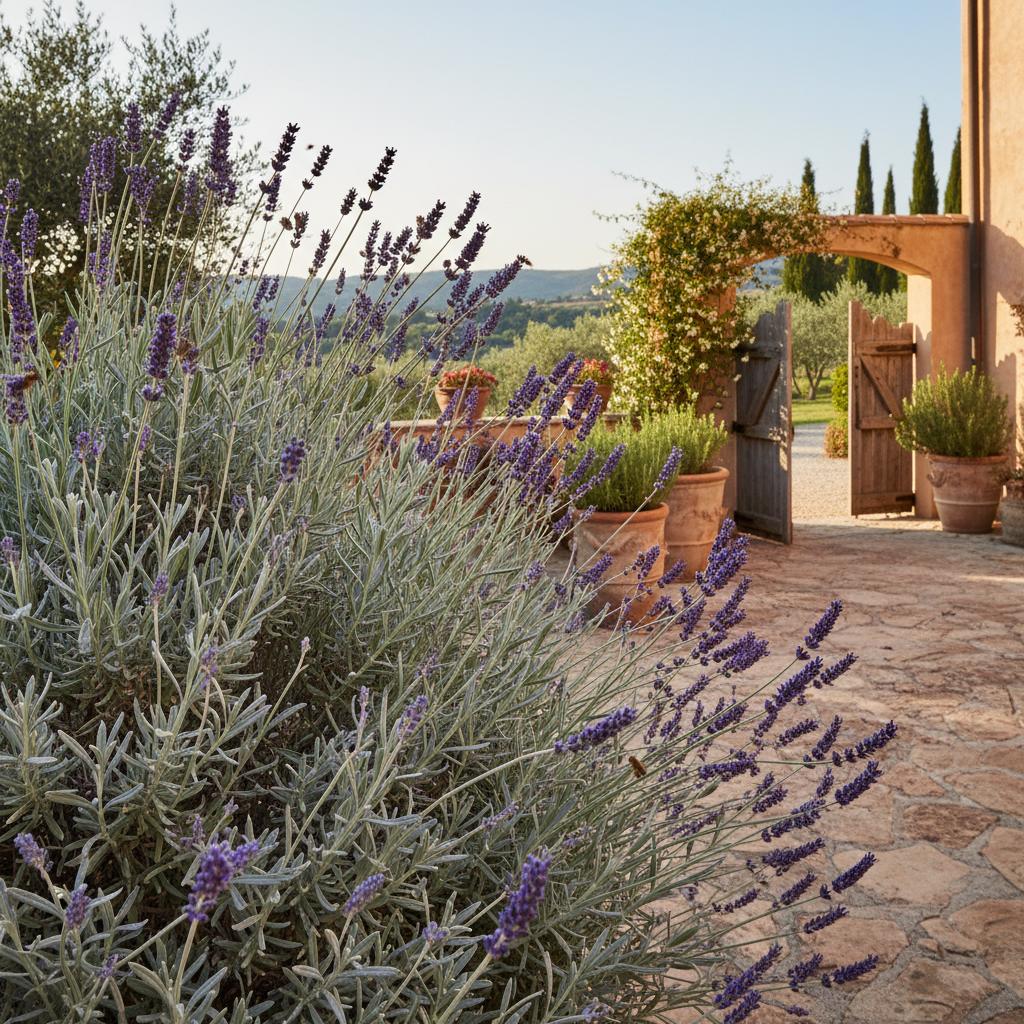
- Leaves: Silver-grey, densely tomentose (woolly), with deeply toothed (dentate) margins, highly aromatic when crushed;
- Flowers: Dark purple-blue, tubular flowers arranged in dense, terminal spikes on long, slender, unbranched stems;
- Stems: Square-shaped, woody at the base and herbaceous towards the tips, covered in fine silvery hairs.
Care Guide
Water deeply but infrequently, allowing the top few inches of soil to dry completely.
Apply a very light top-dressing of compost if the soil is extremely poor.. Avoid high-nitrogen fertilizers which promote weak, floppy growth at the expense of flowers.
Crushed Eggshells:Wash, dry, and crush eggshells into a fine powder. Sprinkle lightly around the base of the plant to provide slow-release calcium and help maintain a slightly alkaline soil pH. Avoid using coffee grounds or tea leaves, as lavender prefers lean, non-acidic soil.- Post-bloom: Shear back the spent flower spikes and about one-third of the green foliage to maintain a compact, mounded shape;
- Spring: Remove any dead or winter-damaged stems once new growth appears;
- Caution: Never prune down into the old, leafless woody base, as it may not regrow.
Toxicity
Warning: this plant may be toxic.
Pets: Toxic to cats per ASPCA; contains linalool and linalyl acetate which can cause gastrointestinal upset.
Humans: Generally safe for humans; commonly used in culinary and aromatic applications, though ingesting large amounts of essential oil can cause upset stomach.
Garden Uses & Culture
Culture: In European traditions, lavender has long been associated with cleanliness, purity, and devotion. Its name derives from the Latin 'lavare' (to wash), reflecting its historical use in baths and laundry.
Usage: Excellent for xeriscaping, rock gardens, borders, and containers. Flowers and foliage are widely used in potpourri, sachets, and dried floral arrangements.