 PlantFun
Plant Needs
Characteristics
- Leaves: Basal rosette of deeply lobed, wavy-margined (sinuate) leaves, rough and bristly to the touch;
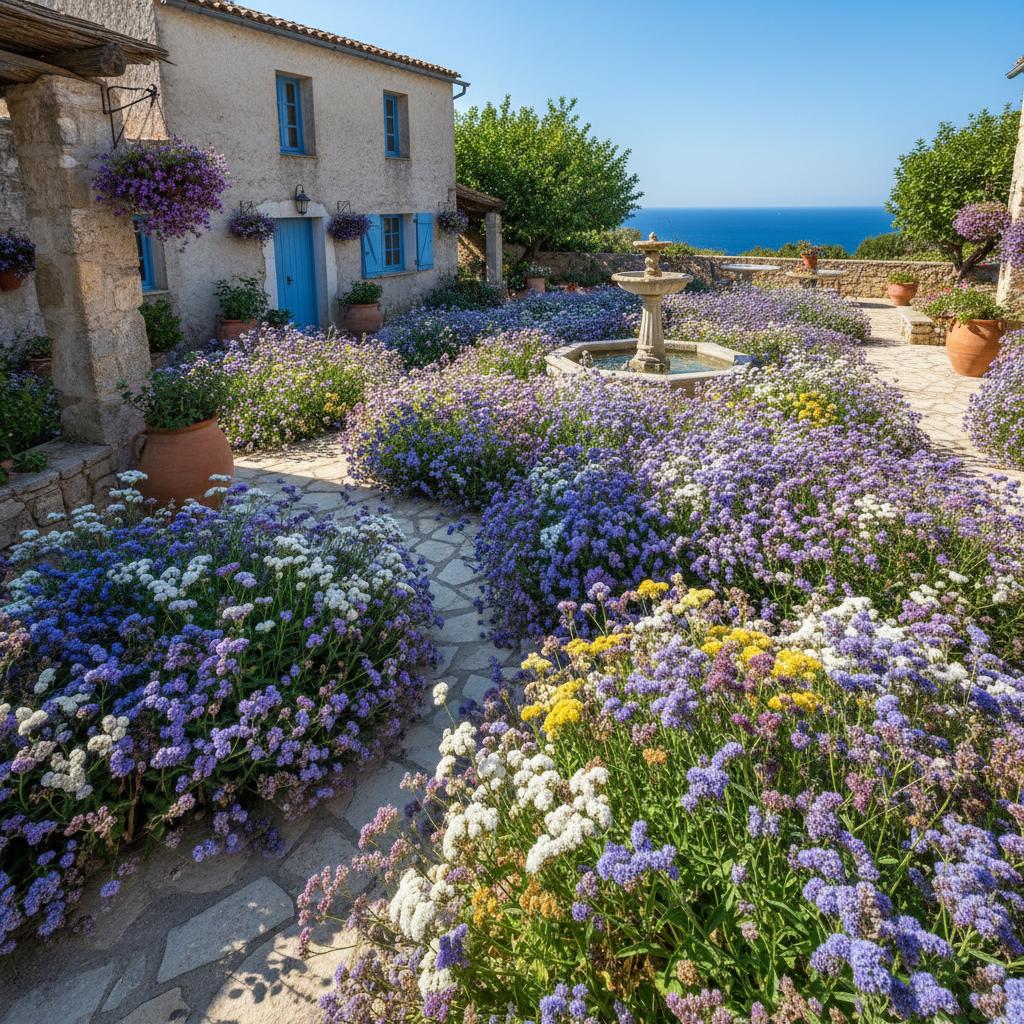
- Flowers: Stiff, winged branching stems bearing dense panicles; the showy part is the persistent, papery calyx (blue, purple, pink, white), while the true corolla is small and white or yellowish;
- Stem: Distinctly winged, rough, and highly branched near the top.
Care Guide
Water deeply but infrequently, allowing the top few inches of soil to dry out completely between waterings.
Apply a light, balanced organic fertilizer at planting time.. Light feeder; thrives in relatively poor soils.
Banana Peel Tea:Steep chopped banana peels in water for 24-48 hours, strain, and use the liquid to water the base of the plant. This provides a gentle potassium boost to support vibrant calyx development without overloading the plant with nitrogen. Discard solids in compost to avoid attracting pests.- Deadhead spent flower stalks at the base to encourage continuous blooming;
- Harvest stems for cut flowers when the papery calyces are fully open but before the tiny inner true flowers fade;
- Remove any yellowing or dead basal leaves to improve air circulation and prevent fungal issues.
Toxicity
Warning: this plant may be toxic.
Pets: Non-toxic to cats per ASPCA guidelines.
Humans: Non-toxic to humans; no adverse effects expected from handling or accidental minor ingestion.
Garden Uses & Culture
Culture: In Western floral symbolism, statice represents remembrance, sympathy, and success, making it a staple in both memorial wreaths and celebratory bouquets.
Usage: - **Ornamental**: Excellent for coastal gardens, rock gardens, and borders; - **Floral Design**: One of the most popular commercial cut flowers, highly valued for its ability to retain color and shape when dried for everlasting arrangements.