 PlantFun
Plant Needs
Sunlight
Requires full sun for optimal blooming, though tolerates light afternoon shade in hot climates.
Watering
Prefers evenly moist but highly well-drained soil; drought-tolerant once established.
Temperature
Thrives in temperate climates; hardy in USDA zones 6-9.
Characteristics
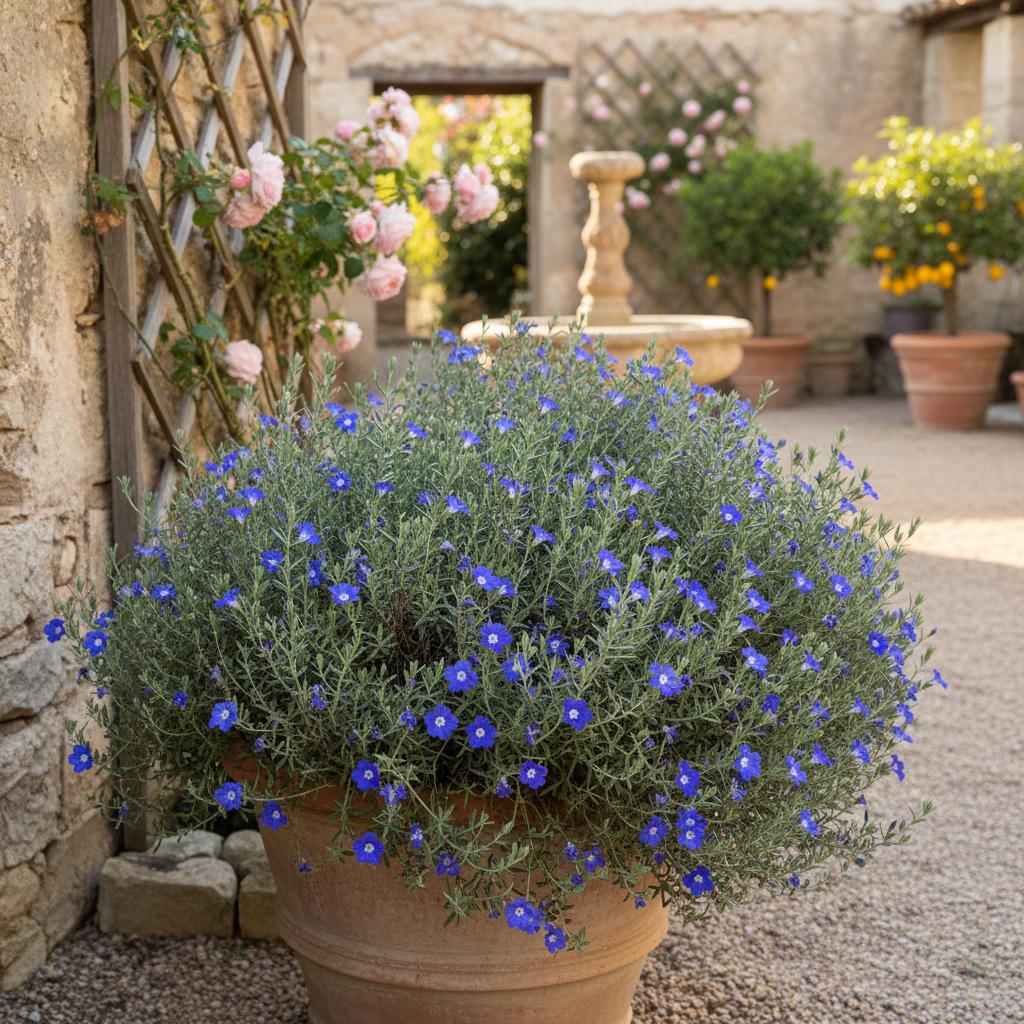
- Leaves: Small, narrow, dark green, linear to lanceolate, covered in bristly hairs, evergreen;
- Flowers: Funnel-shaped, 5-lobed, intense vivid blue, borne in terminal cymes;
- Stems: Trailing, prostrate, woody at the base, covered in stiff hairs.
Care Guide
Watering
Water deeply when the top inch of soil feels dry.
Fertilization
Apply a light, acid-forming organic fertilizer in early spring.. Fertilization recommendations description
Coffee Grounds Soil Amendment:Sprinkle used, cooled coffee grounds lightly around the base of the plant and scratch into the soil. This helps maintain the acidic soil pH that Lithodora requires while providing a gentle nitrogen boost. Avoid thick layers that might mold.Pruning
- Lightly shear the plant immediately after flowering to maintain a compact, tidy shape;
- Remove any dead or winter-damaged stems in early spring;
- Avoid cutting back hard into old, leafless wood, as it may not regenerate.
Toxicity
Warning: this plant may be toxic.
Pets & Humans
Pets: Non-toxic to cats (per ASPCA general guidelines for this genus).
Humans: Generally recognized as safe, though not intended for human consumption.
Garden Uses & Culture
Culture: Highly prized in European rock gardens and alpine troughs since the 19th century for providing one of the truest blue colors available in horticulture.
Usage: Excellent as a ground cover, cascading over retaining walls, in rockeries, or as a trailing container plant.