 PlantFun
Plant Needs
Characteristics
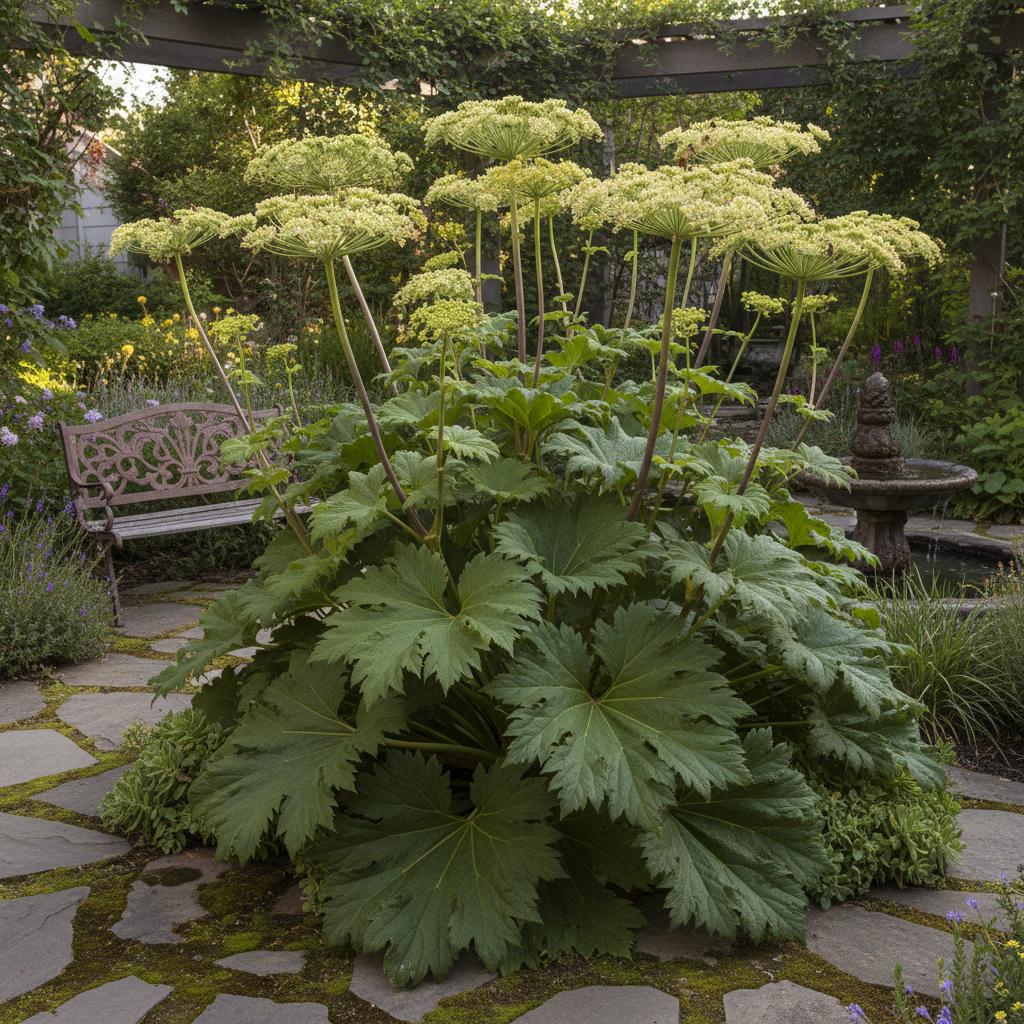
- Leaves: Large, basal, highly dissected into narrow segments, resembling fern fronds, glabrous to slightly puberulent;
- Flowers: Compound umbels bearing numerous small yellow or purplish-maroon flowers;
- Stem: Stout, hollow, arising from a massive, woody taproot;
- Fruit: Schizocarp, elliptic to oblong, flattened with lateral wings.
Care Guide
Water deeply once every two weeks during active spring growth; reduce entirely in summer as it goes dormant.
Apply a very light top-dressing of organic matter only if soil is completely barren.. Thrives in lean, poor soils and rarely requires supplemental fertilization.
Banana Peel Tea:Soak chopped banana peels in water for 24 hours. Dilute 1:1 with water and apply once in early spring to support root health. Avoid raw/undigested matter near the crown to prevent rot.- Remove spent flower stalks to tidy the plant's appearance;
- Allow foliage to die back naturally in late summer as the plant enters dormancy;
- Never disturb or attempt to divide the massive taproot, as it resents transplanting.
Toxicity
Warning: this plant may be toxic.
Pets: Non-toxic to cats per general botanical safety guidelines.
Humans: Generally considered non-toxic and historically consumed, but sap may cause mild photosensitivity in some individuals.
Garden Uses & Culture
Culture: Indigenous peoples of the Pacific Northwest and Great Basin regions of North America highly valued the root as a staple food and medicine, often grinding the dried roots into flour for winter sustenance.
Usage: - **Ecological**: Excellent for native pollinator gardens, attracting early spring bees and butterflies; - **Medicinal**: Historically used in Western herbalism for its reputed antiviral and antibacterial properties, particularly for respiratory ailments.