 PlantFun
Plant Needs
Sunlight
Requires full sun for optimal growth and flowering.
Watering
Highly drought-tolerant; requires minimal supplemental watering once established.
Temperature
Extremely cold hardy and tolerant of high summer heat in arid environments.
Characteristics
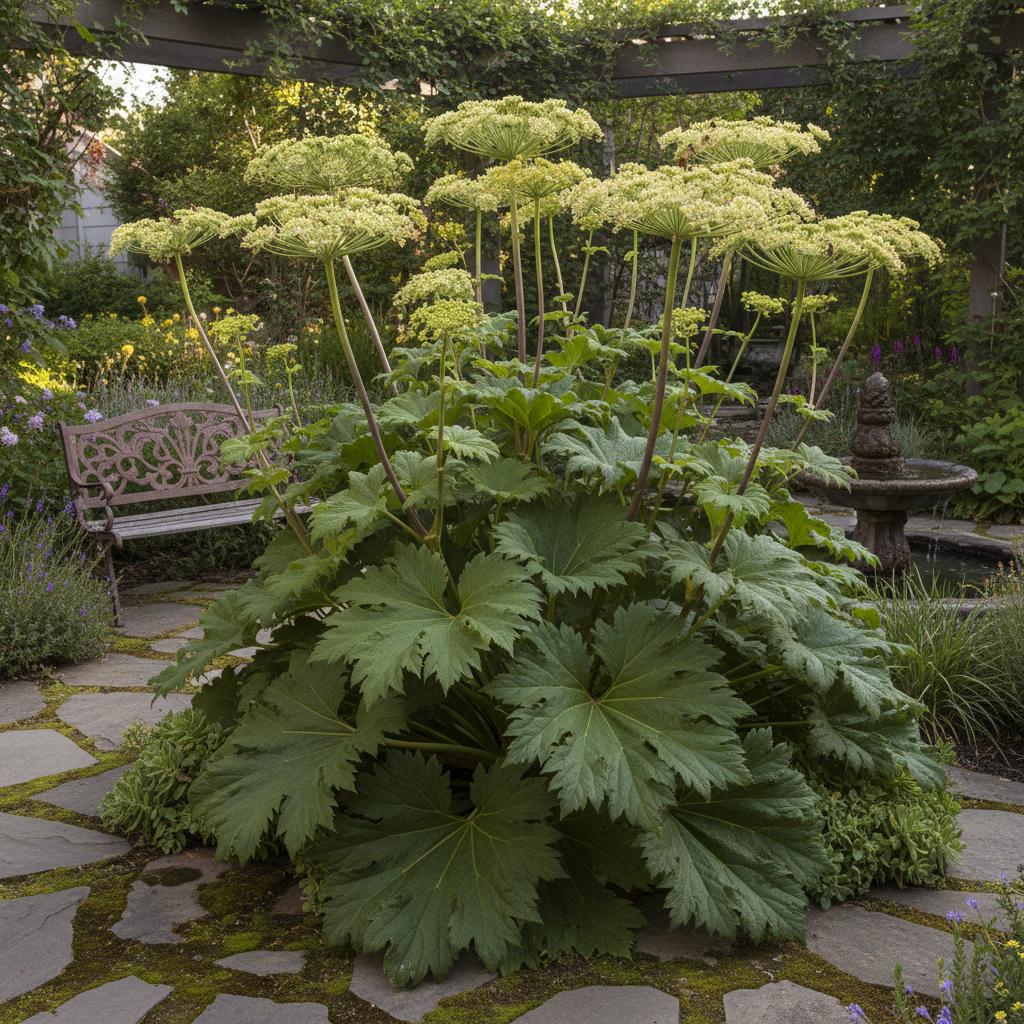
- Leaves: Basal, finely pinnately dissected, grayish-green, often covered with fine pubescence;
- Flowers: Compound umbels bearing small white petals, occasionally with a yellowish or purplish tint;
- Stem: Acaulescent or very short-stemmed, arising from a thick, fleshy taproot;
- Fruit: Flattened schizocarps with lateral wings, adapted for wind dispersal.
Care Guide
Watering
Water sparingly during active spring growth; allow to dry out completely in summer
Fertilization
Apply a light top-dressing of organic compost if soil is extremely poor. Rarely requires fertilization; adapted to nutrient-poor, rocky soils.
Crushed Eggshells:Rinse, dry, and crush eggshells into a fine powder. Mix into the topsoil around the base to provide slow-release calcium and slightly improve soil drainage. Avoid over-application.Pruning
- Remove dead or damaged foliage in late autumn;
- Leave spent flower heads if seed dispersal is desired;
- Do not disturb the deep taproot during maintenance.
Toxicity
Warning: this plant may be toxic.
Pets & Humans
Pets: Non-toxic to cats.
Humans: Generally considered non-toxic; historically used as a root food source.
Garden Uses & Culture
Culture: In the American West, biscuitroots are celebrated as iconic symbols of the rugged sagebrush steppe and pioneer resilience.
Usage: - **Landscaping**: Excellent for xeriscaping, rock gardens, and native plant restorations; - **Ecological**: Provides crucial early-season nectar for native bees and pollinators.