 PlantFun
Plant Needs
Characteristics
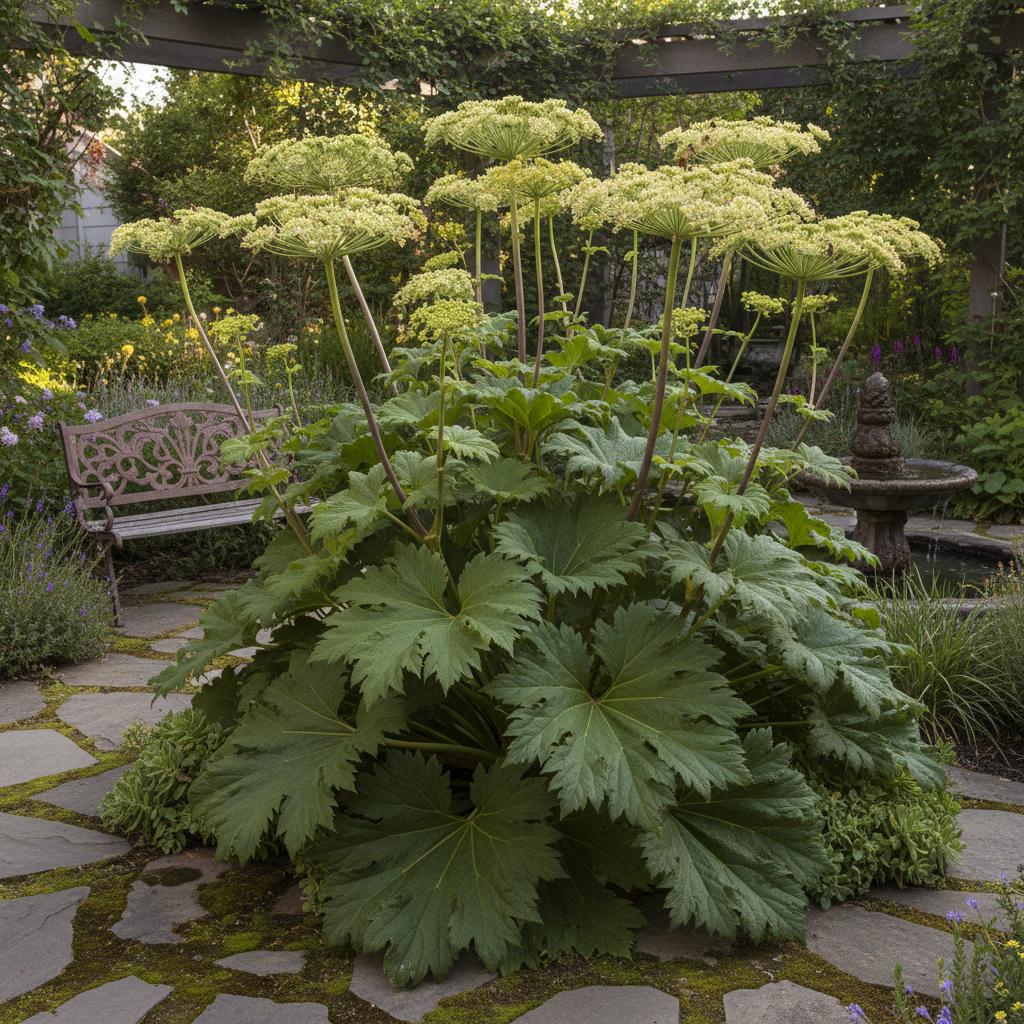
- Leaves: Basal, highly dissected and fern-like (pinnately compound), glabrous to slightly pubescent, emerging from a thick taproot;
- Flowers: Compound umbels lacking involucral bracts, bearing numerous tiny, bright yellow flowers;
- Stem: Short, mostly leafless (scapose) or with very few reduced leaves, rising slightly above the basal foliage;
- Fruit: Schizocarps that are dorsally flattened with lateral wings, typical of the genus.
Care Guide
Water moderately during active spring growth, then reduce significantly as the plant goes dormant in late summer.
Apply a very light, low-nitrogen organic topdressing if grown in sterile potting media.. Adapted to nutrient-poor soils; avoid heavy fertilization which can damage the taproot.
Eggshell tea:Crush clean, dried eggshells and steep in water for a few days. Use the strained water to provide gentle minerals without over-fertilizing this alpine native. Avoid high-nitrogen materials.- Remove dead or yellowing foliage in late autumn after the plant has died back to the taproot;
- Leave seed heads if self-sowing is desired in a rock garden setting;
- Do not disturb the deep taproot once planted.
Toxicity
Warning: this plant may be toxic.
Pets: No known toxicity to cats.
Humans: No known toxicity; historically, roots of many Lomatium species were consumed, but extreme caution is advised due to highly toxic lookalikes in the Apiaceae family (e.g., poison hemlock).
Garden Uses & Culture
Culture: In Western North America, the genus Lomatium holds immense historical significance. Known broadly as "biscuitroots," the starchy taproots were a vital staple food for many Native American tribes, who dried and ground them into flour for winter survival.
Usage: - **Ecological**: Provides early-season nectar for native pollinators and high-altitude insects; - **Ornamental**: Cultivated by specialist growers for alpine and rock gardens.