 PlantFun
Plant Needs
Sunlight
Prefers bright, indirect light; avoid harsh direct afternoon sun which can scorch the leaves.
Watering
Keep the potting medium evenly moist but allow the top inch to dry out between waterings.
Temperature
Thrives in cooler temperatures than most tropical Monsteras, reflecting its cloud forest origins.
Characteristics
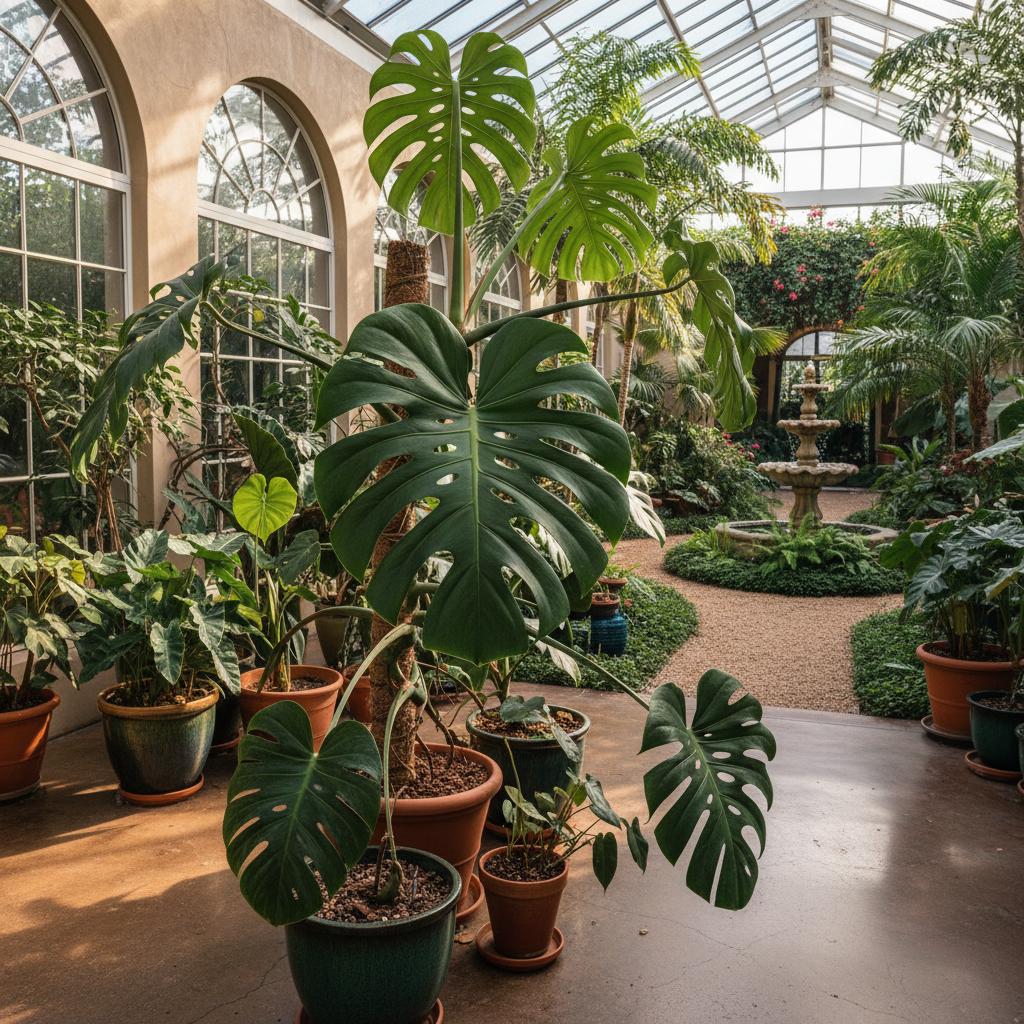
- Leaves: Large, ovate to elliptical, deeply pinnatifid (lobed) and often fenestrated as they mature, with a leathery texture;
- Stem: Thick, green, climbing vine with prominent nodes and robust aerial roots;
- Flowers: Cream to pale yellow spathe surrounding a cylindrical spadix, typical of the Araceae family;
- Roots: Extensive aerial root system used for anchoring to host trees and absorbing ambient moisture.
Care Guide
Watering
Water thoroughly when the top inch of soil feels dry, maintaining high ambient humidity.
Fertilization
Apply a balanced liquid fertilizer diluted to half strength.. Do not fertilize during the winter dormancy period.
Aquarium Water Fertilizer:Use old aquarium change water to hydrate the plant. It provides gentle, natural nitrogen and trace minerals. Ensure the water is at room temperature and free of heavy aquarium medications.Pruning
- Deadheading: Remove yellowing or damaged leaves at the base of the petiole to redirect energy;
- Size Control: Trim the main vine if it outgrows its moss pole or support;
- Propagation: Take top cuttings with at least one node and aerial root to propagate and encourage branching.
Toxicity
Warning: this plant may be toxic.
Pets & Humans
Pets: Toxic to cats per ASPCA. Chewing leaves releases calcium oxalate crystals causing oral pain and GI irritation.
Humans: Contains insoluble calcium oxalate crystals which can cause oral irritation and swelling if chewed or ingested.
Garden Uses & Culture
Culture: Highly sought after by rare plant collectors in Europe and North America for its unique adaptation to cooler, high-altitude cloud forests.
Usage: Cultivated primarily as an ornamental indoor specimen plant or in specialized tropical greenhouses.