 PlantFun
Plant Needs
Sunlight
Requires bright, indirect light; direct midday sunlight can easily scorch the leaves.
Watering
Water thoroughly when the potting medium is almost completely dry, ensuring excellent drainage.
Temperature
Prefers warm daytime temperatures (20-25°C) and a slight nighttime drop to initiate blooming.
Characteristics
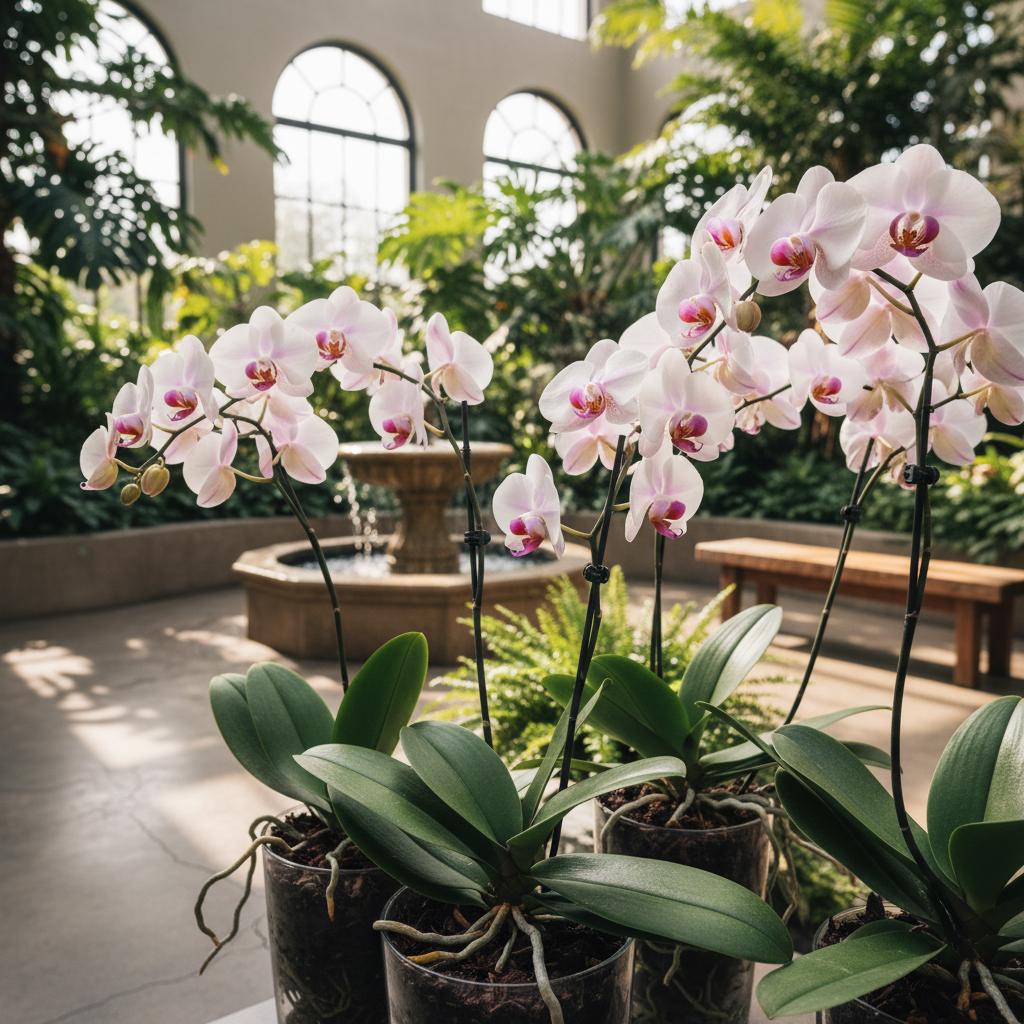
- Leaves: Broad, leathery, elliptical to obovate, arranged in two rows (distichous) at the base, typically dark green;
- Flowers: Bilaterally symmetrical, flat, moth-like, with three sepals and three petals (one modified into a prominent lip/labellum), borne on arching racemes;
- Roots: Thick, fleshy, silvery-green aerial roots covered in a spongy tissue called velamen.
Care Guide
Watering
Water thoroughly once a week, allowing the medium to almost dry out between waterings.
Fertilization
Apply a balanced, water-soluble orchid fertilizer diluted to 1/4 strength weekly.. Flush the pot with plain water once a month to prevent salt buildup.
Banana Peel Tea:Soak chopped banana peels in water for 24 hours, strain, and dilute 1:1 with water. Use as a liquid feed. Avoid placing raw peels directly in the pot to prevent mold and fungus gnats.Pruning
- Flower Spikes: After blooming, cut the flower spike above a healthy node to encourage a secondary spike, or cut it at the base if the spike turns entirely brown;
- Leaves: Allow yellowing or dead leaves to fall off naturally, or gently remove them once completely dry;
- Roots: Trim dead, mushy, or hollow roots during repotting using sterilized tools, leaving firm, silvery-green roots intact.
Toxicity
Warning: this plant may be toxic.
Pets & Humans
Pets: Non-toxic per ASPCA.
Humans: Non-toxic and generally safe for humans.
Garden Uses & Culture
Culture: In Victorian England, orchids symbolized luxury, refinement, and exotic beauty, often collected by the wealthy in a craze known as "orchidelirium."
Usage: Widely cultivated as a premium indoor ornamental plant and highly popular in the cut flower industry for elegant floral arrangements.