 PlantFun
Plant Needs
Characteristics
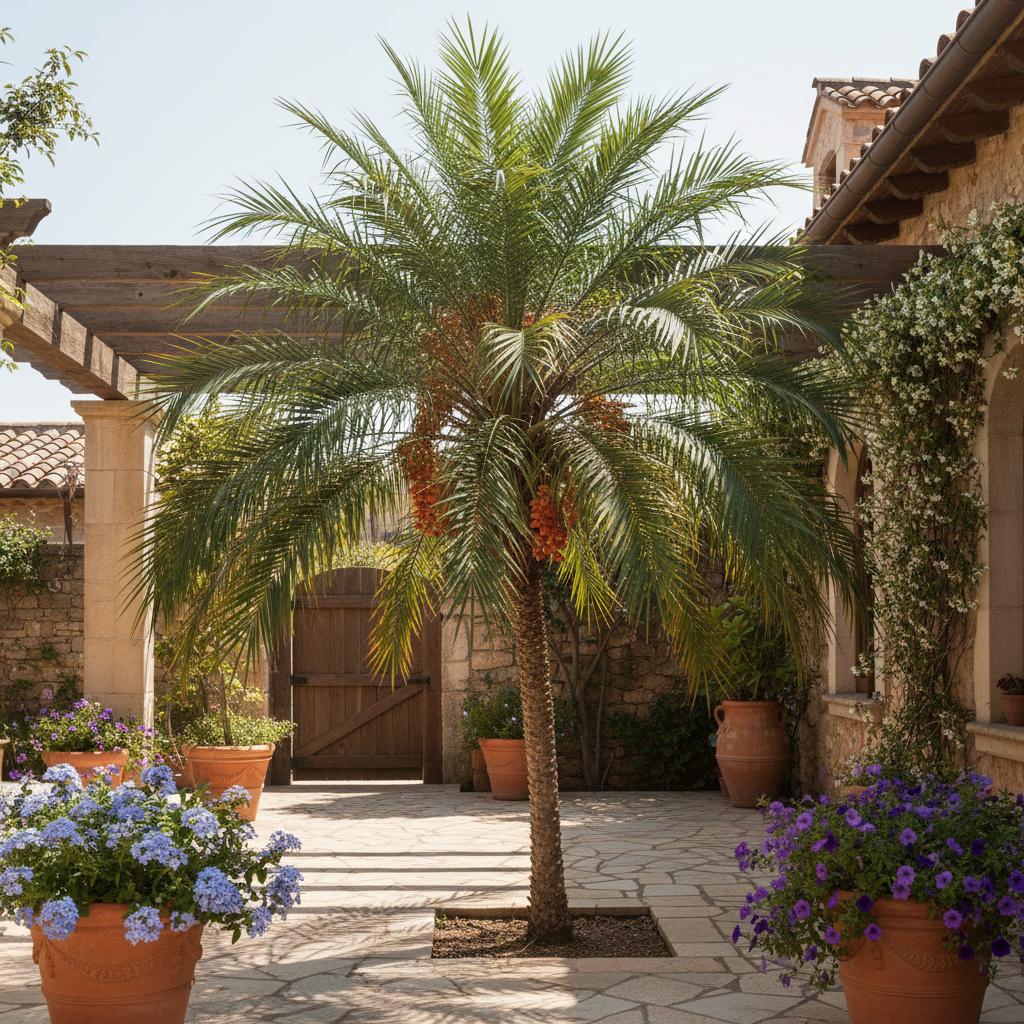
- Leaves: Pinnately compound, up to 1.2 meters long, with narrow, drooping leaflets; basal leaflets are modified into sharp, rigid spines;
- Trunk: Slender, often solitary but sometimes clumping, covered with old leaf bases forming a rough, textured surface;
- Flowers: Dioecious, small yellowish flowers borne on branching panicles hidden among the foliage;
- Fruit: Small, ovoid drupes, turning dark purple to black when ripe, containing a single seed.
Care Guide
Water thoroughly when the top inch of soil feels dry.
Apply a balanced palm fertilizer.. Fertilize monthly during the growing season with a palm-specific fertilizer containing micronutrients like magnesium.
Banana Peel and Coffee Ground Tea:Steep banana peels and a small amount of used coffee grounds in water for 24 hours. Dilute 1:1 with water and apply to soil. Avoid using too many coffee grounds to prevent excessive acidity.- Remove dead or dying lower fronds by cutting them close to the trunk;
- Wear thick, puncture-resistant gloves to protect hands from the sharp spines at the base of the leaves;
- Never cut the top growing point (crown), as this will kill the palm.
Toxicity
Warning: this plant may be toxic.
Pets: Non-toxic per ASPCA, safe for cats. Beware of physical injury from sharp spines.
Humans: Non-toxic, but the sharp spines at the base of the fronds can cause painful puncture wounds and physical injury.
Garden Uses & Culture
Culture: In Victorian Europe, palms became a symbol of exotic travel and worldly sophistication, often featured prominently in grand glasshouses and parlor rooms.
Usage: - Popular indoor houseplant and patio container plant; - Landscape specimen in tropical and subtropical regions; - Used in commercial interiorscaping due to its elegant form and adaptability.