PlantFun
Plant Needs
Characteristics
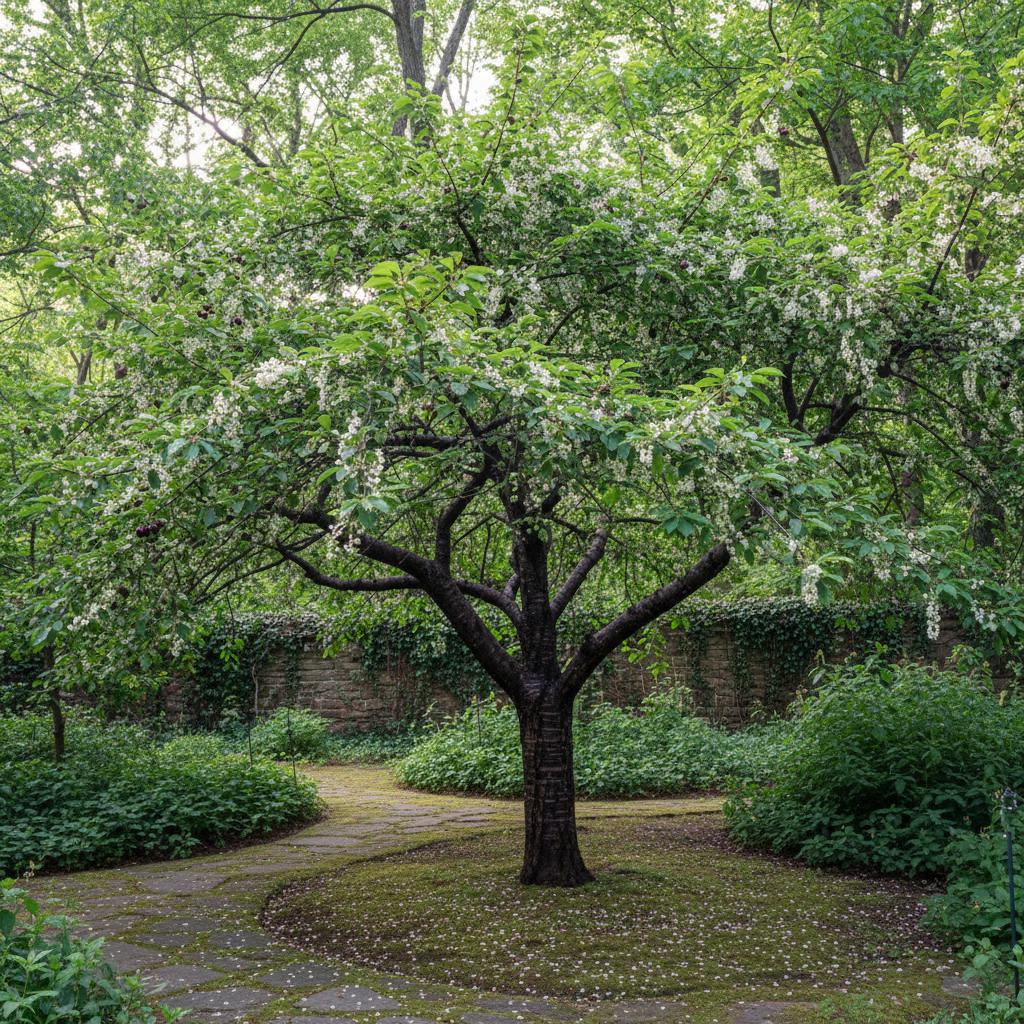
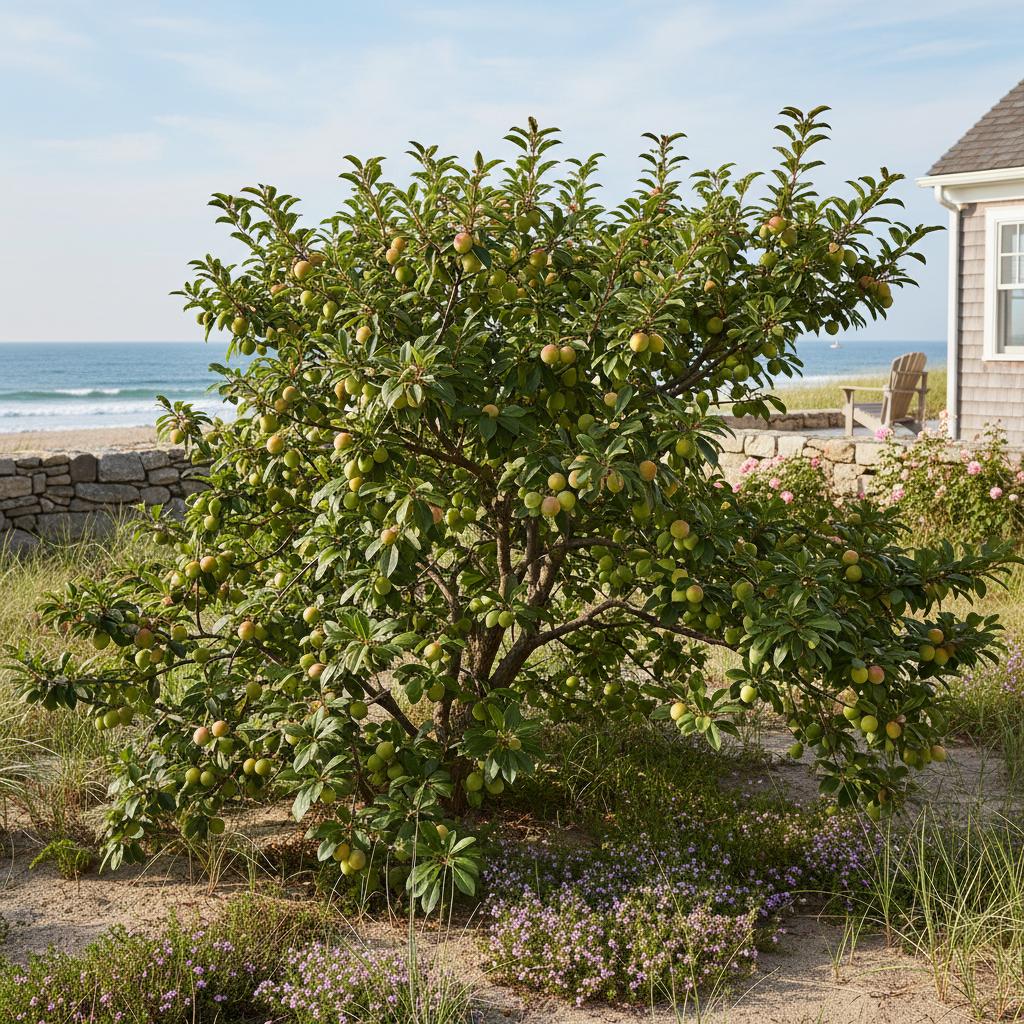
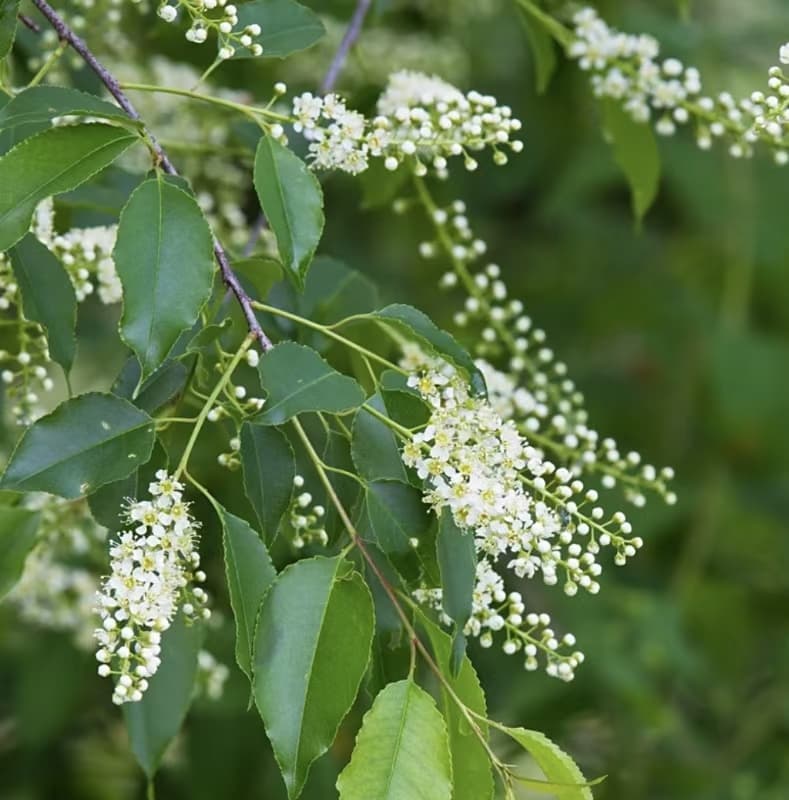
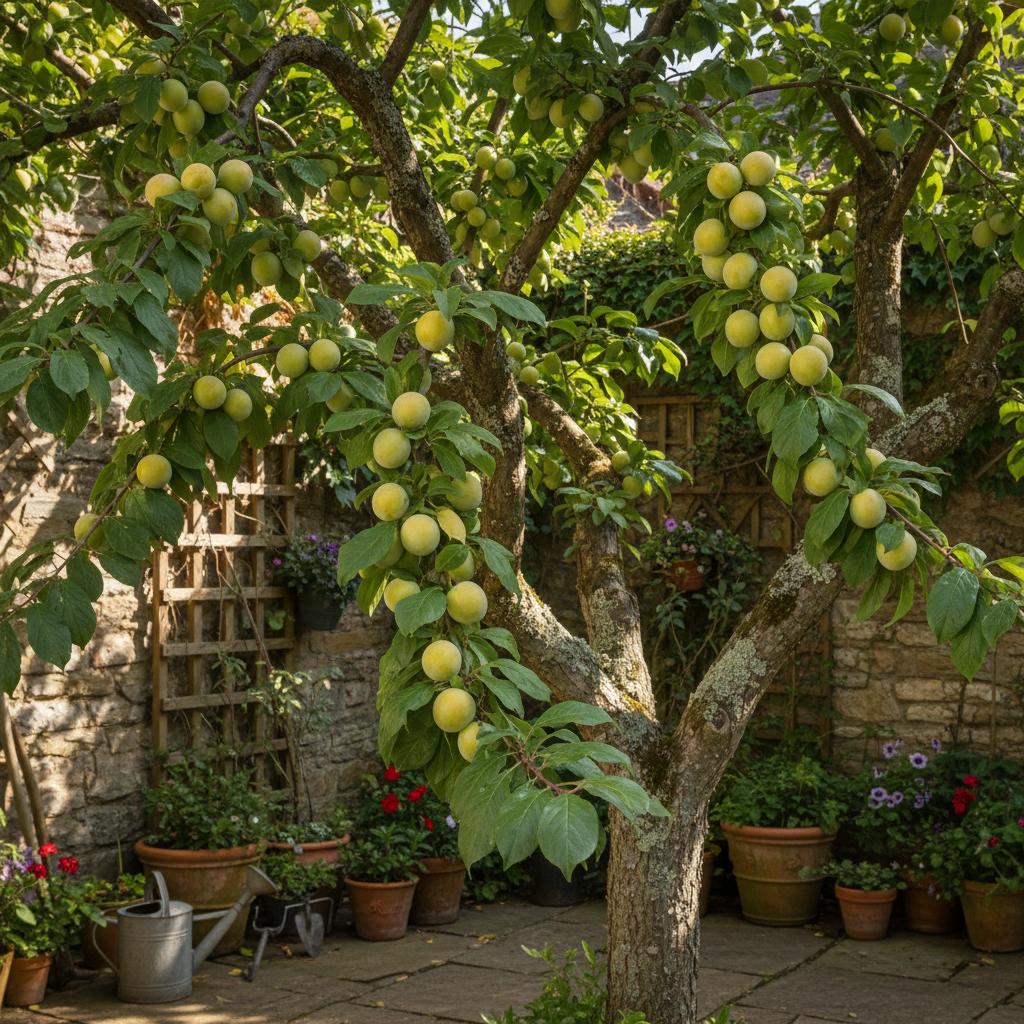
- Leaf: Oval to lanceolate with serrated margins, glossy medium green, turning pale yellow in autumn
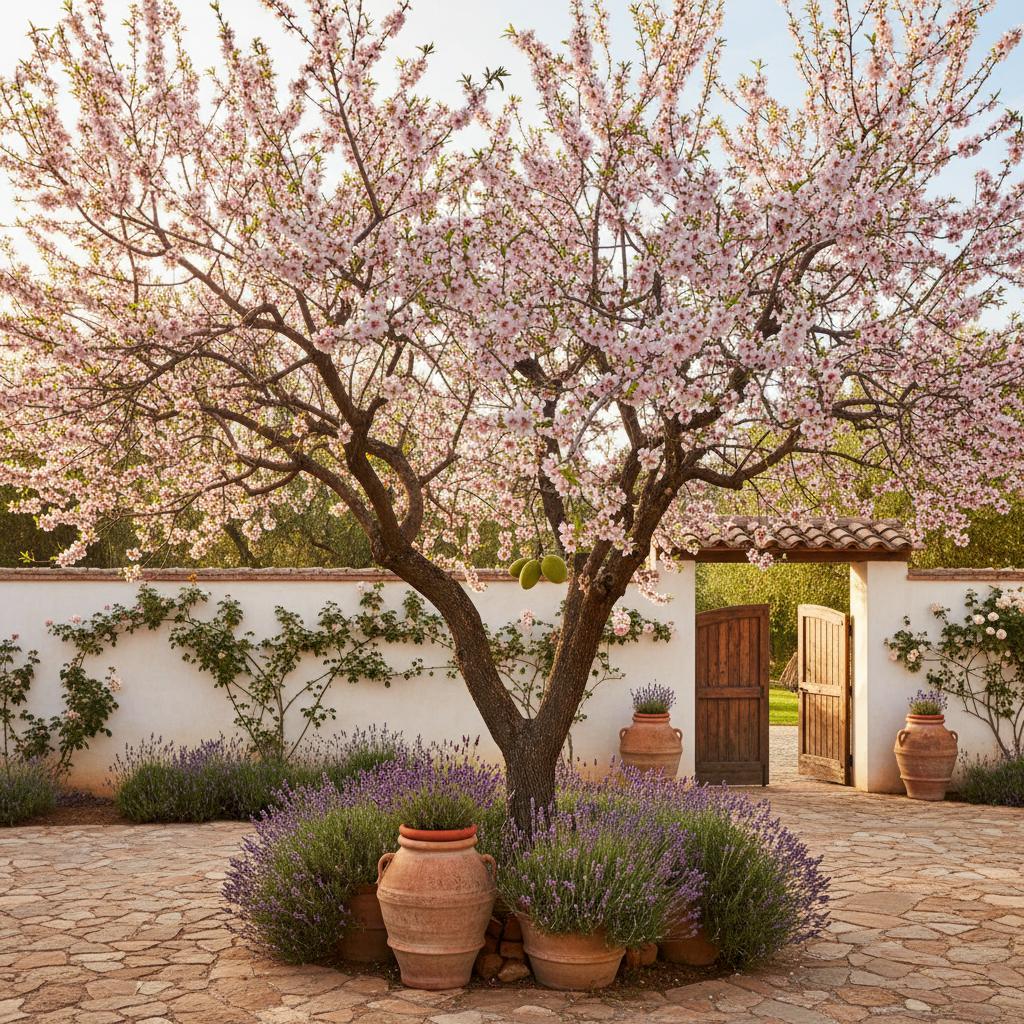
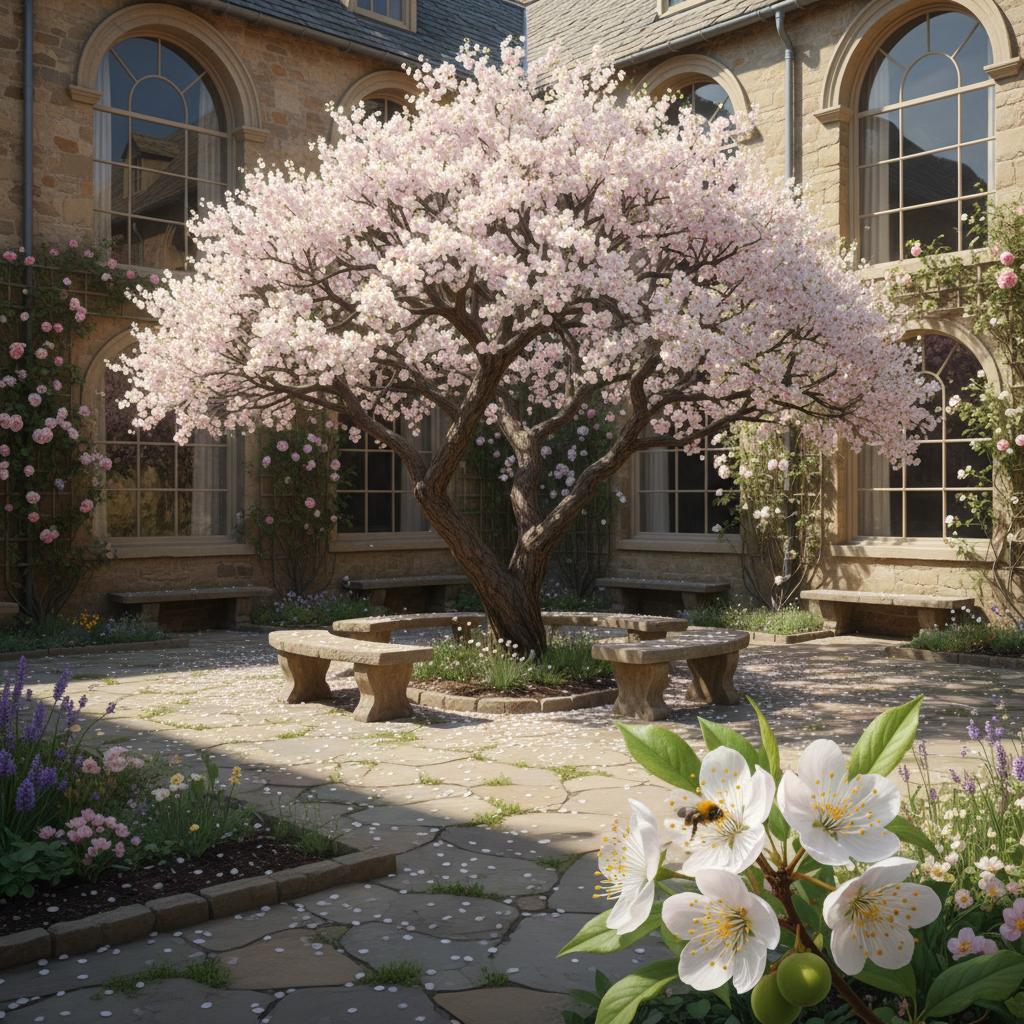
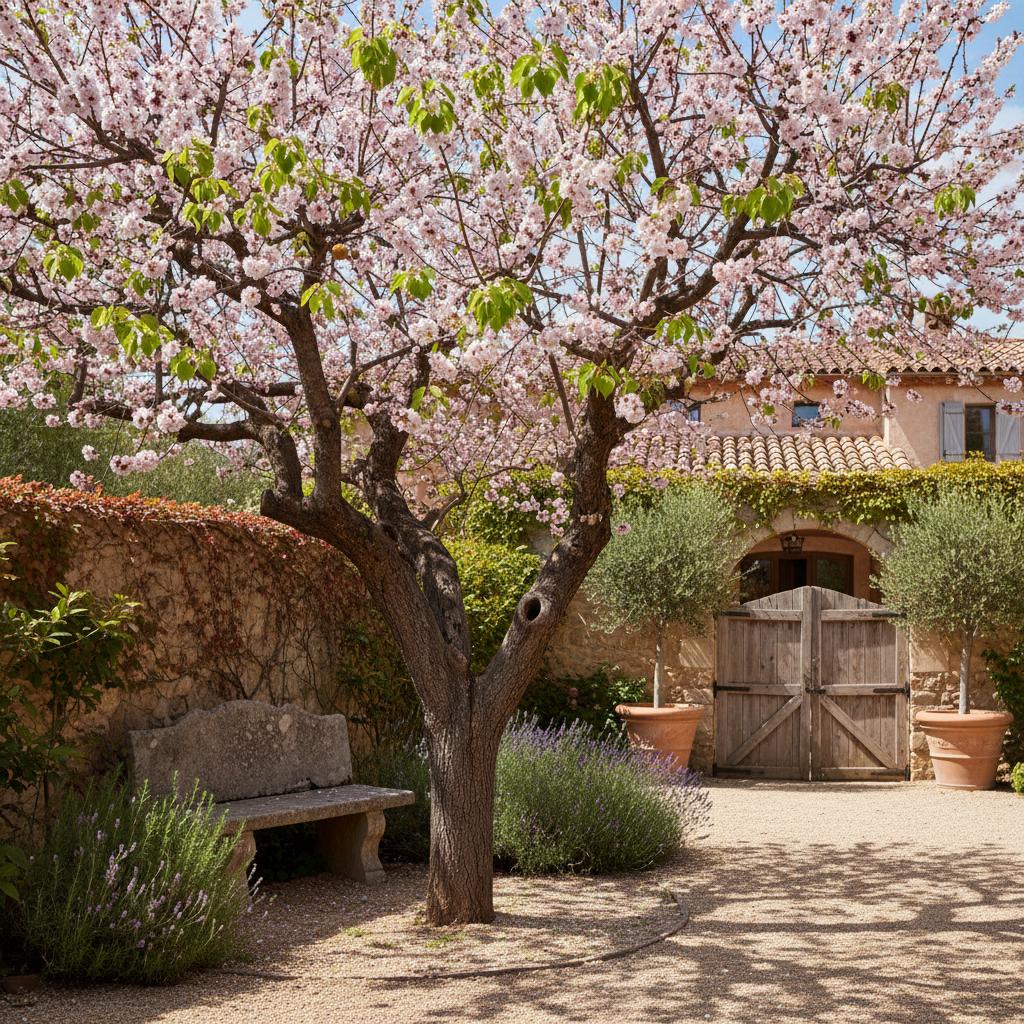
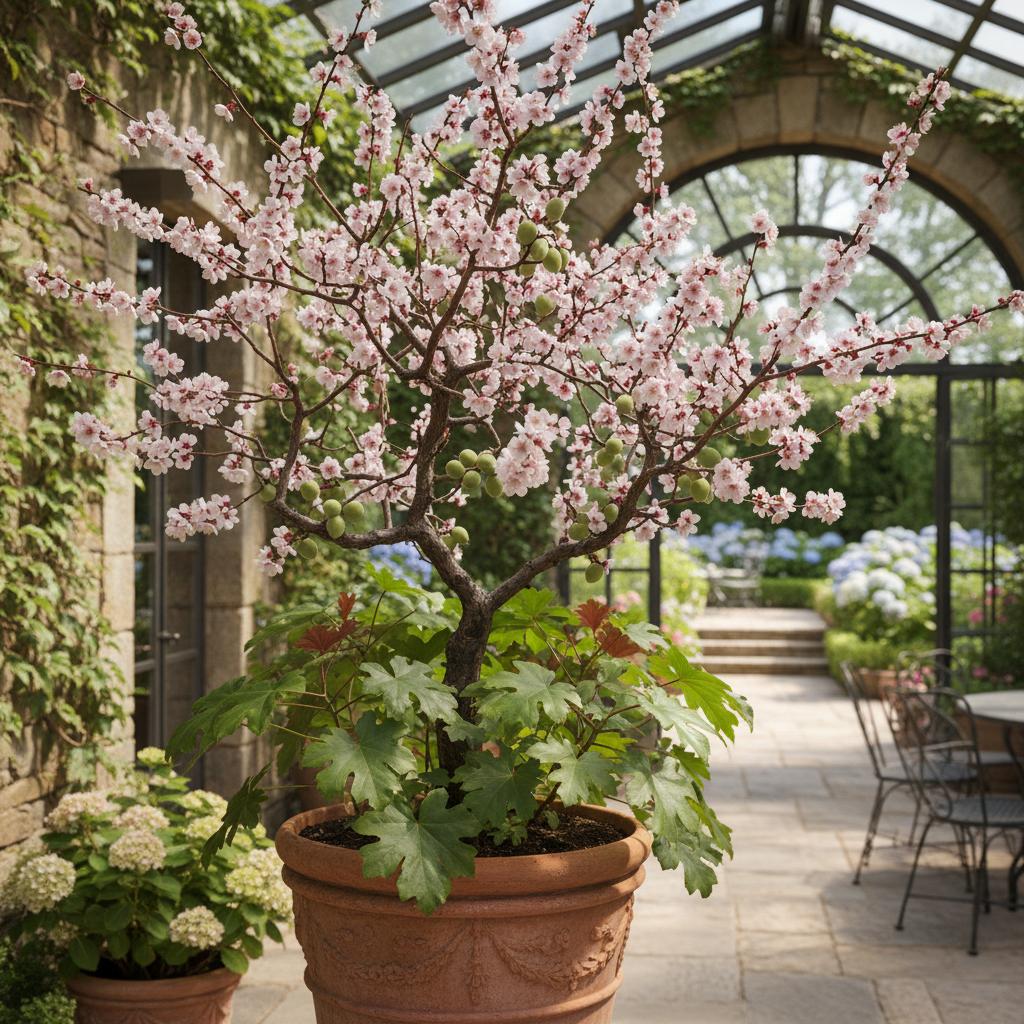
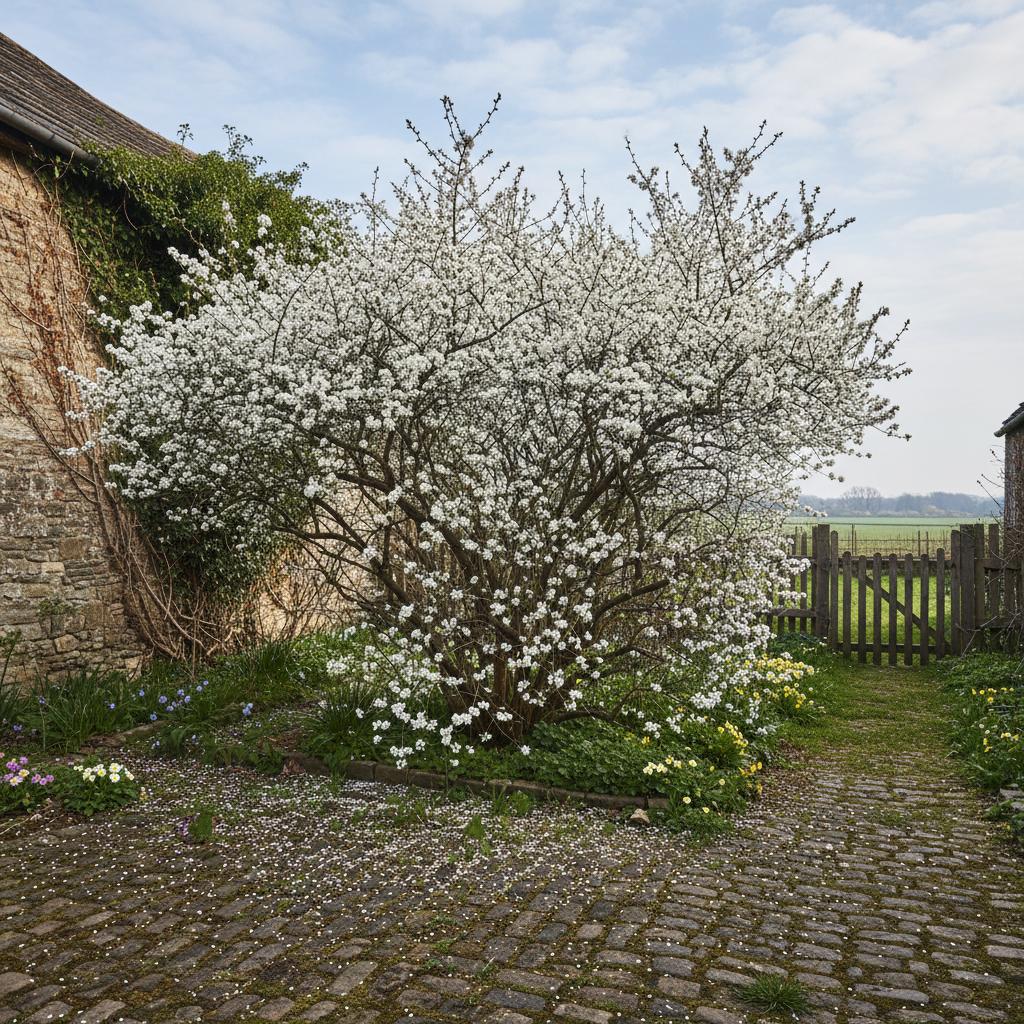
- Flower: Clusters of 2–3 fragrant white 5-petaled blossoms, appearing before leaves
- Fruit: Oval fleshy drupe, purple or yellow skin, sweet juicy yellow flesh when ripe
- Stem: Smooth light brown bark, becoming fissured and dark brown with maturity
Care Guide
Keep soil consistently moist during fruit development; reduce watering as fruits begin to ripen to improve flavor
Apply balanced slow-release fertilizer (10-10-10) before bud break. Avoid high-nitrogen fertilizers late in the growing season to prevent delayed dormancy
Eggshell powder topdressing:Crush dried eggshells into a fine powder; sprinkle 1–2 tablespoons around the base of the tree; water gently to incorporate into soil- Prune in late winter (before bud break) to remove dead, diseased, or crossing branches
- Thin fruiting spurs to 4–6 buds per spur to improve air circulation and increase fruit size
- Shape the canopy to maintain an open structure for sunlight penetration to inner branches
- Remove suckers growing from the base of the tree to direct energy to the main canopy and fruit production
Toxicity
Warning: this plant may be toxic.
Pets: ASPCA: Toxic; leaves, stems, and seeds contain cyanogenic glycosides that can cause systemic distress if ingested
Humans: Only seeds contain cyanogenic glycosides; ripe fruit flesh is safe for consumption; ingesting chewed seeds may cause mild to moderate gastrointestinal distress
Garden Uses & Culture
Culture: Symbolizes abundance and renewal in Mediterranean folklore; often used in holiday and harvest celebrations
Usage: Edible fruit for fresh eating, jams, jellies, and baking; ornamental spring blooms for landscape decoration