PlantFun
Plant Needs
Sunlight
Full sun exposure required for optimal fruiting; partial shade reduces yield and fruit quality
Watering
Water deeply to moisten the root zone; allow the top 15–20 cm of soil to dry between waterings to prevent root rot
Temperature
Hardy to -29°C; requires 800–1000 chill hours for fruit set; protect early blooms from late spring frost
Characteristics
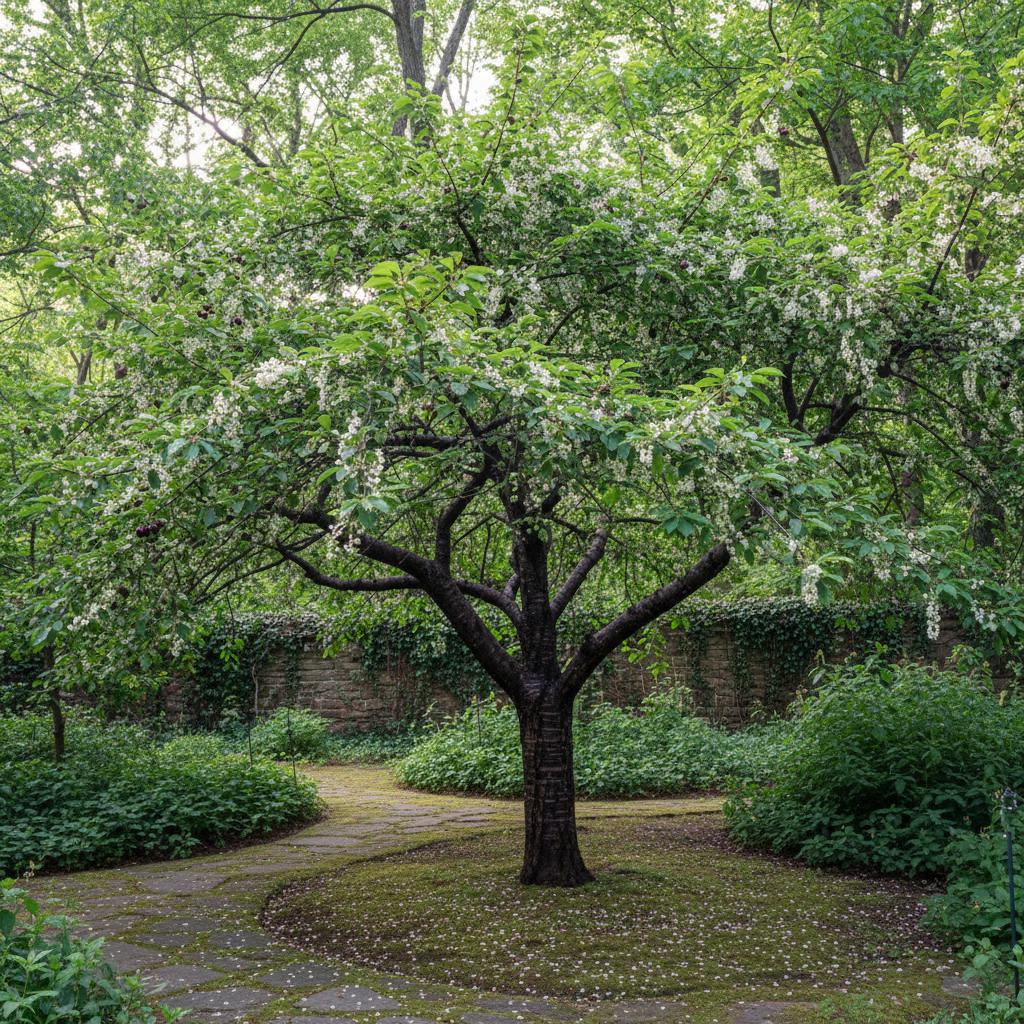
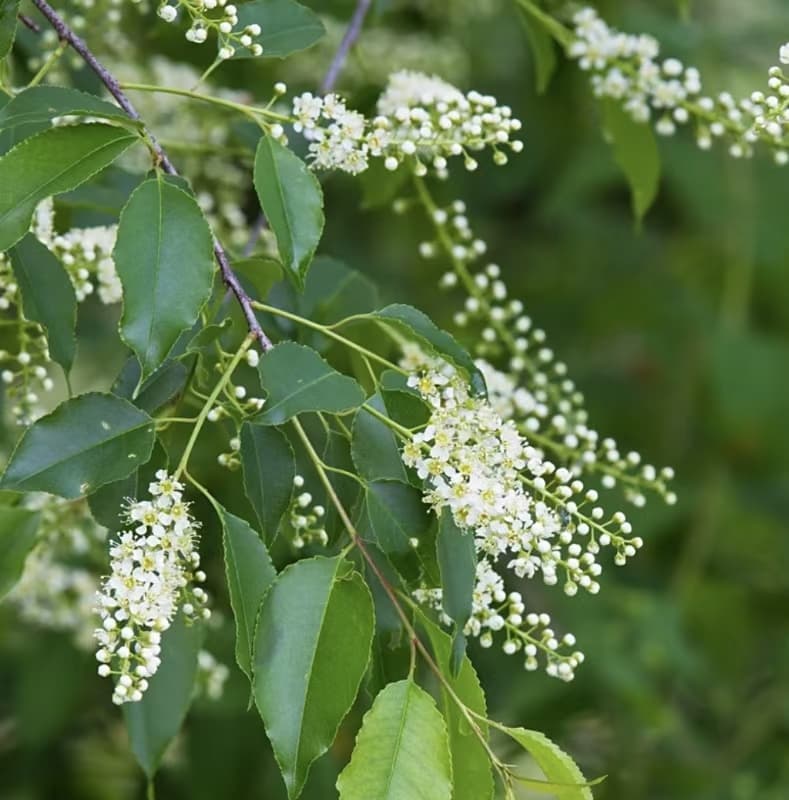
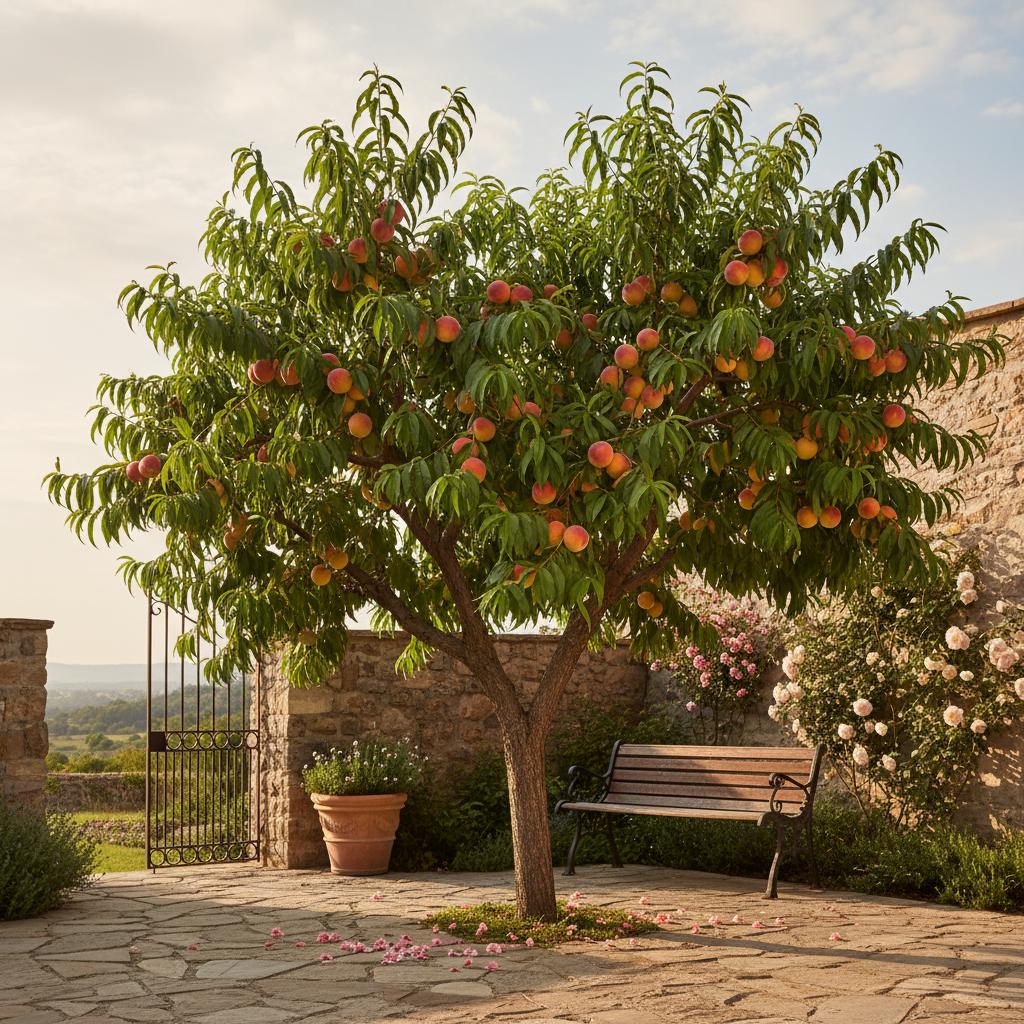
- Leaf: Lanceolate, glossy green leaves with serrated margins; turn yellow in autumn
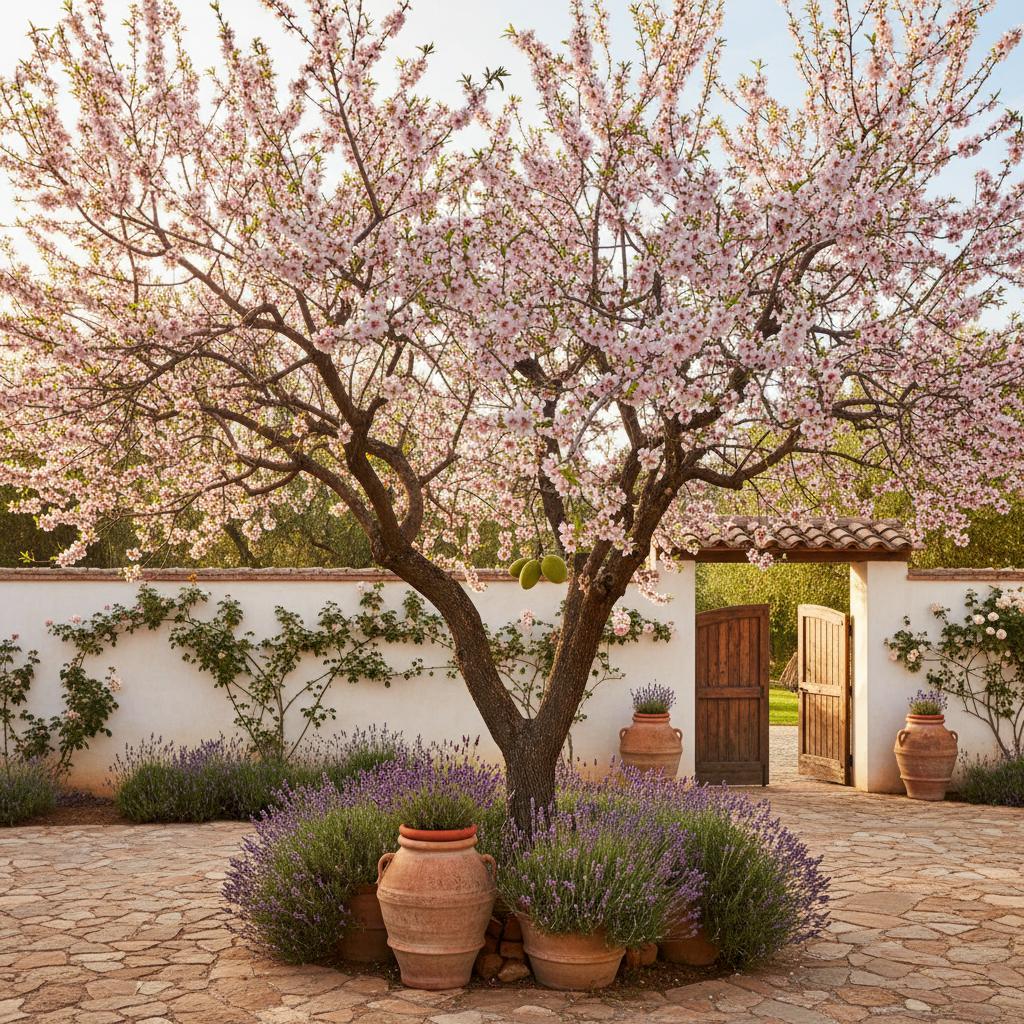
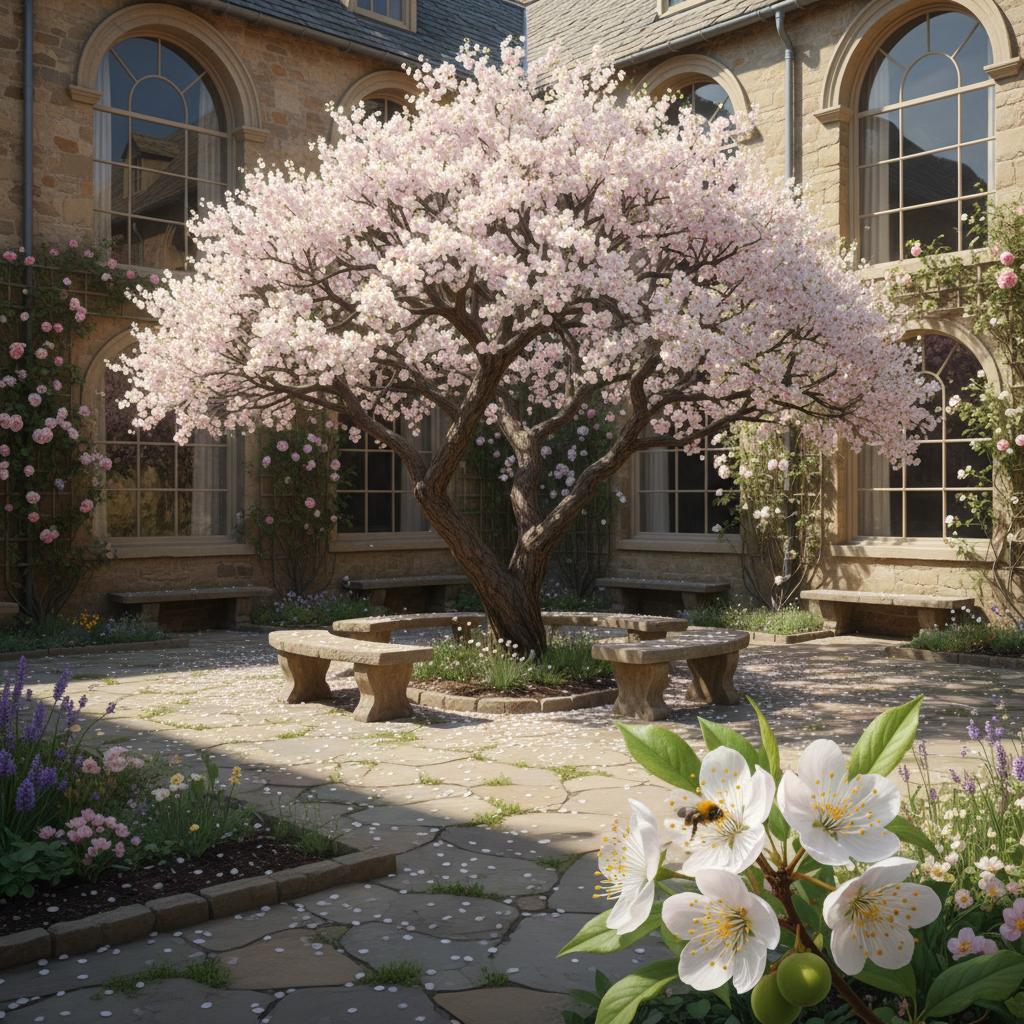
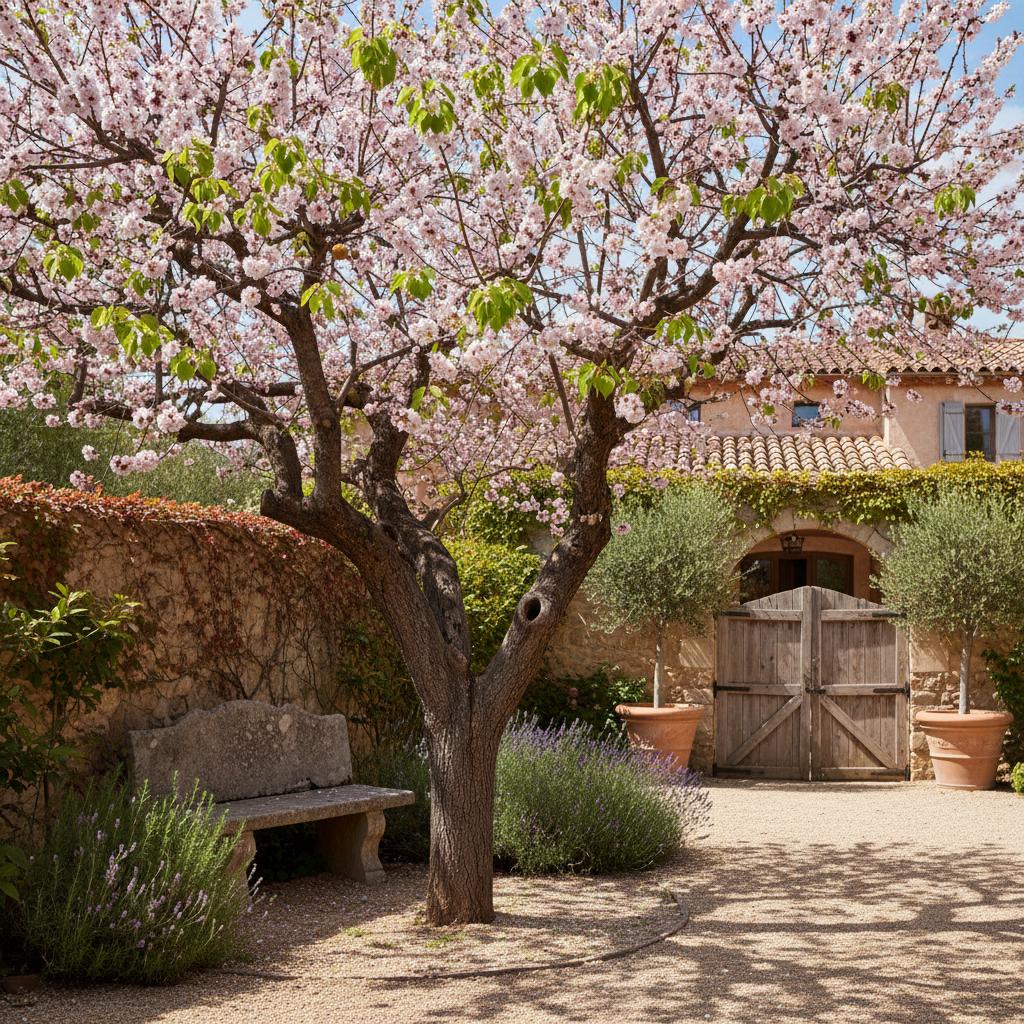
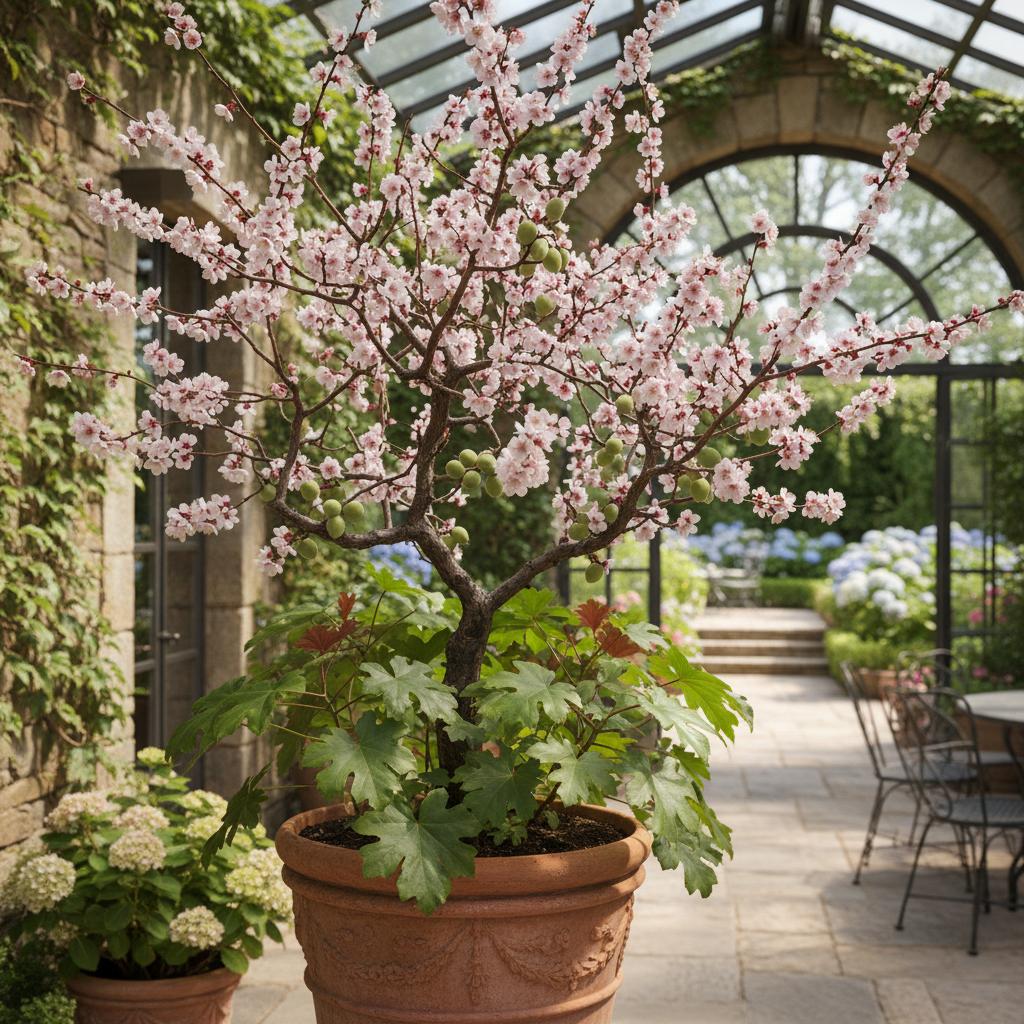
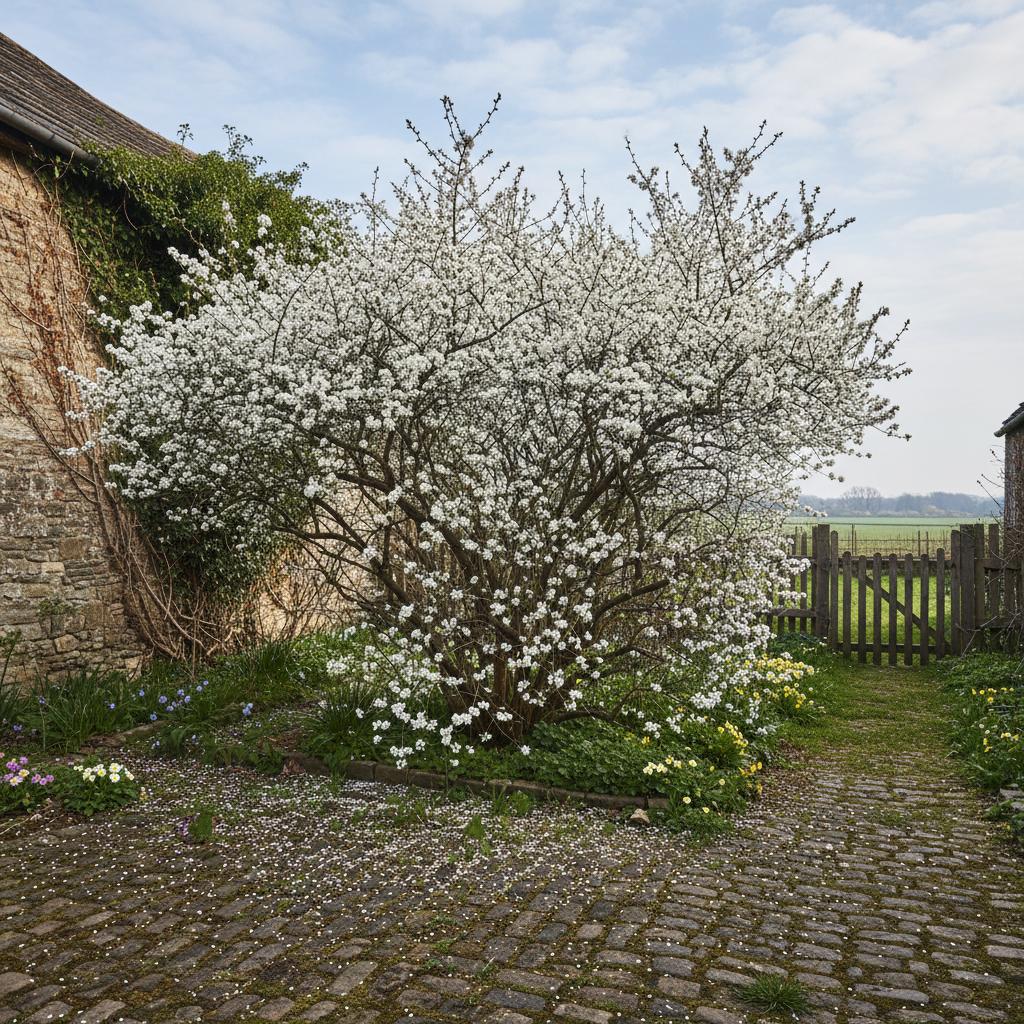
- Flower: Five-petaled pale to deep pink blooms (2–3 cm diameter), borne in clusters
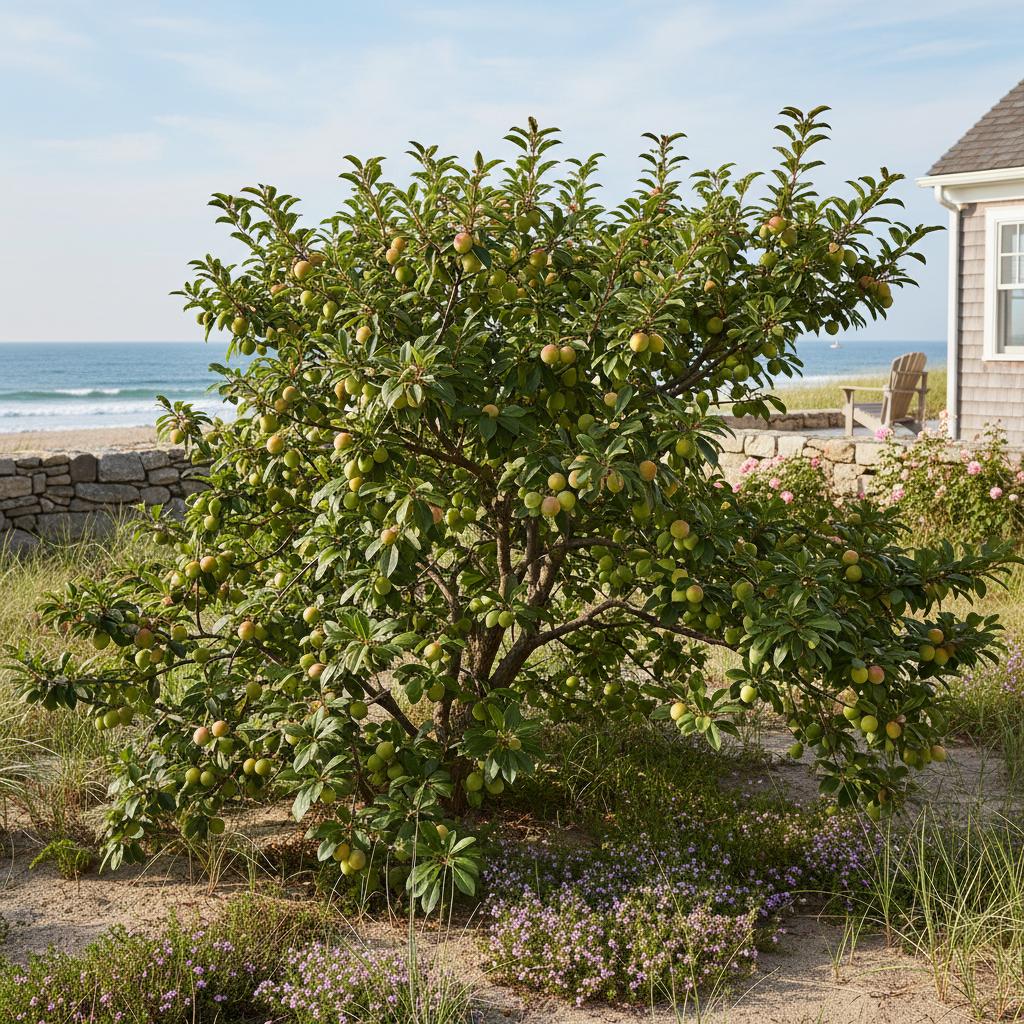
- Fruit: Medium yellow-fleshed freestone peach with red blush; ripens mid-summer
- Stem: Smooth brown young bark; develops fissures with maturity
Care Guide
Watering
Increase watering during fruit development to keep soil consistently moist (not waterlogged)
Fertilization
Apply balanced 10-10-10 fertilizer in early spring before bud break. Stop fertilizing by mid-summer to avoid late-season growth that is vulnerable to frost damage
Composted banana peel tea:Soak fully composted banana peels in water for 24 hours; dilute 1:20 for root drench; avoid raw peels to prevent pest infestationsPruning
- Prune in late winter to remove dead, diseased, or crossing branches; open the canopy for sunlight penetration
- Thin fruit to 10–15 cm apart 2–3 weeks after bloom to improve fruit size and reduce branch breakage
- Remove suckers from the rootstock to maintain tree vigor and direct energy to fruiting branches
- Shape to an open vase form for optimal air circulation and fruiting
Toxicity
Warning: this plant may be toxic.
Pets & Humans
Pets: ASPCA: Toxic; stems, leaves, and seeds contain cyanogenic glycosides that can cause severe illness
Humans: Flesh is safe for consumption; seeds, leaves, and stems contain cyanogenic glycosides; large seed ingestion may cause cyanide poisoning
Garden Uses & Culture
Culture: Symbolizes longevity and prosperity in some cultural traditions; popular home orchard cultivar
Usage: Edible fruit for fresh eating, baking, and canning; ornamental spring blooms for landscape interest