PlantFun
Plant Needs
Sunlight
Full sun to partial shade; tolerates intense sunlight in arid climates; partial shade recommended in extreme summer heat
Watering
Water deeply but infrequently; allow the top 15–20 cm of soil to dry completely between waterings to prevent root rot
Temperature
Thrives in warm, arid to semi-arid climates; protect from frost below 10°C to avoid stem damage
Characteristics
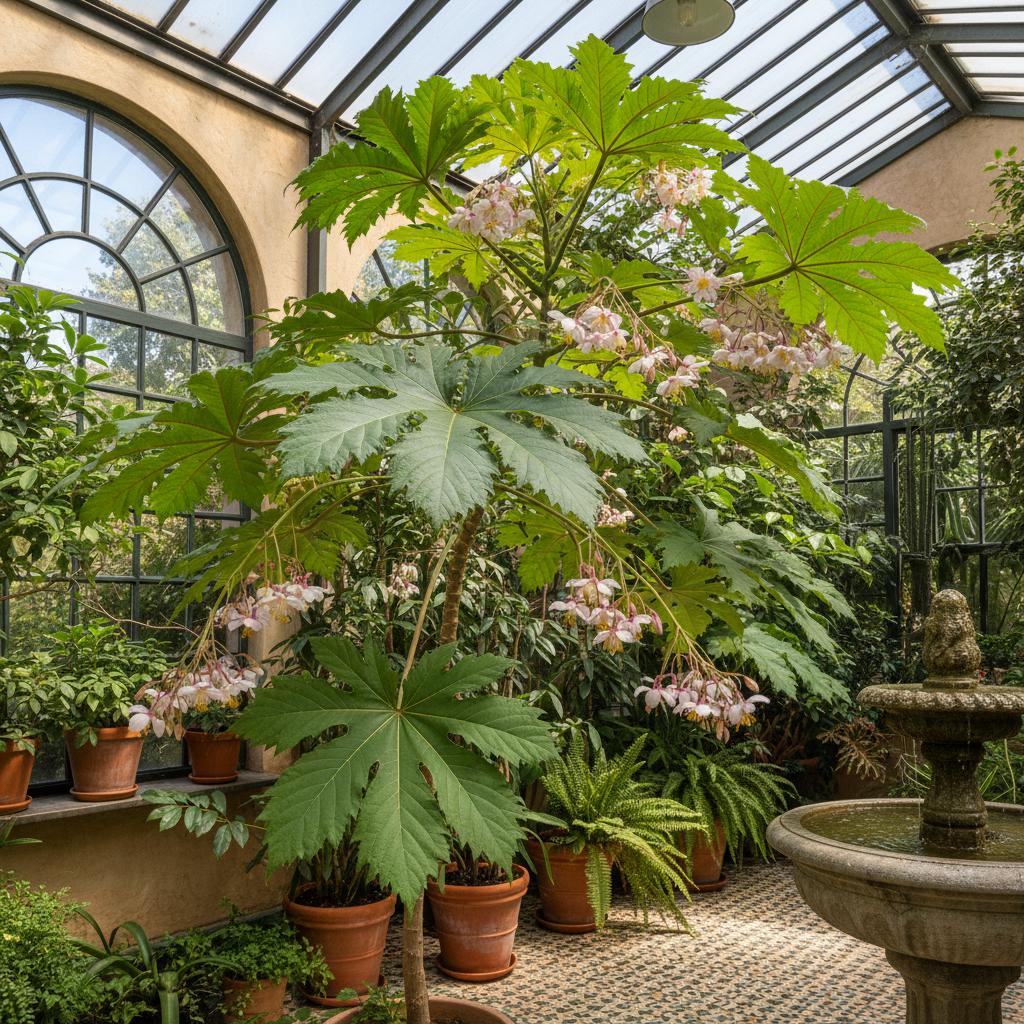
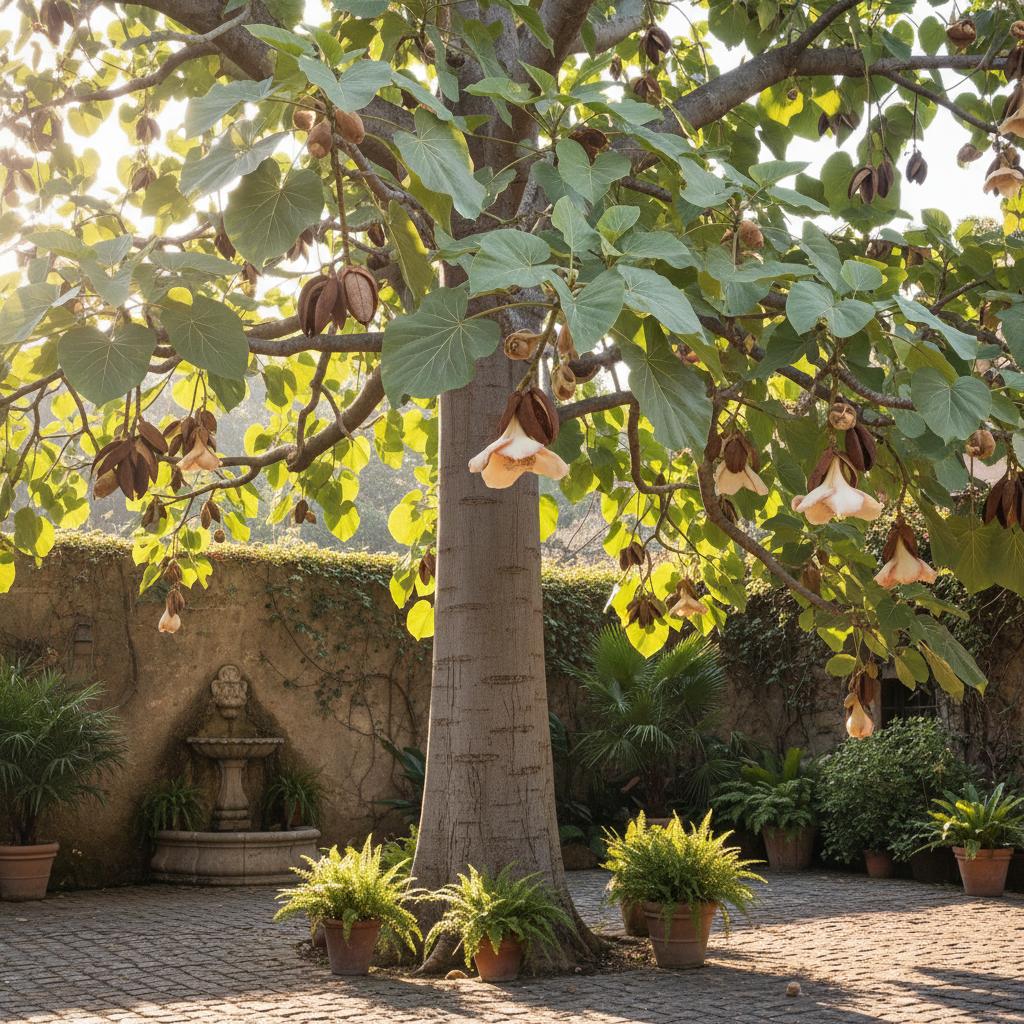
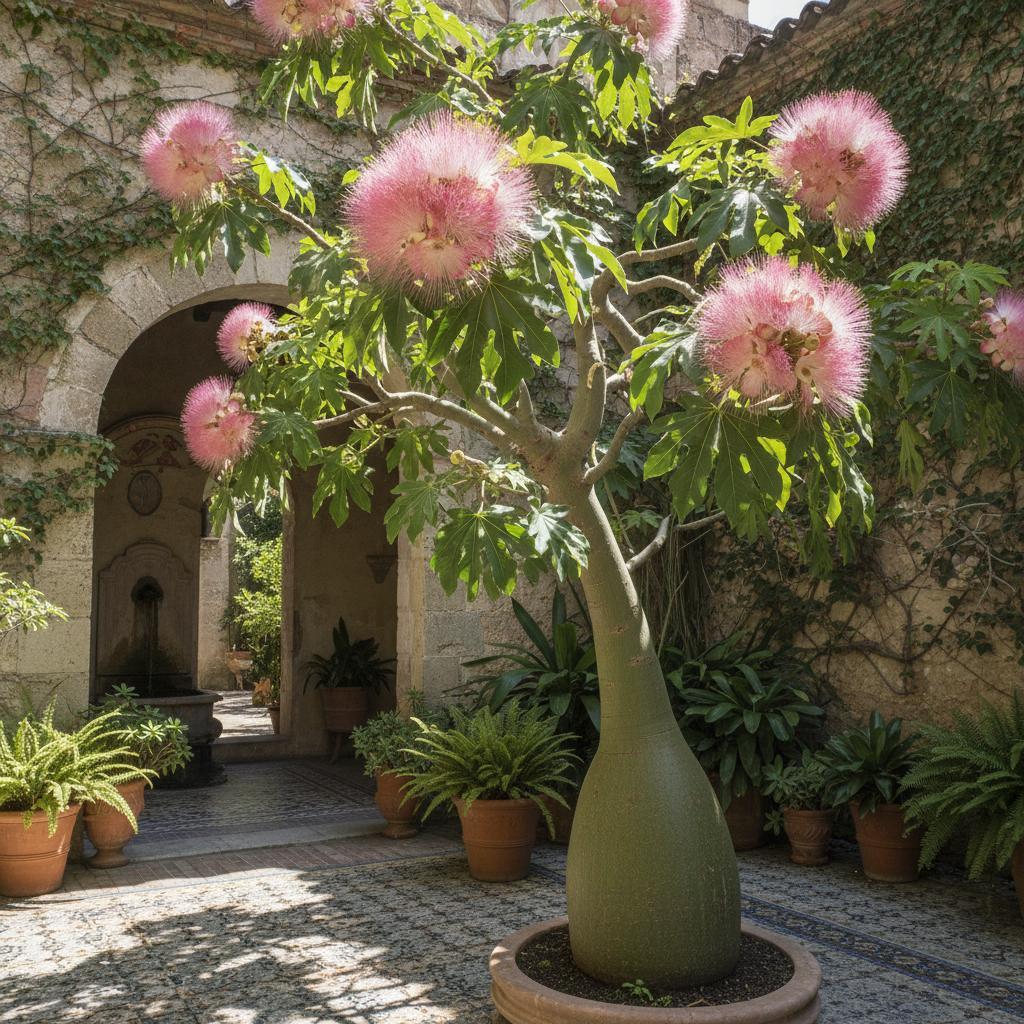
- Leaf: Palmate compound leaves with 5–7 elliptical leaflets; deciduous during dry dormant periods
- Flower: Large cylindrical brush-like blooms in white, pink, or red; dense, prominent stamens
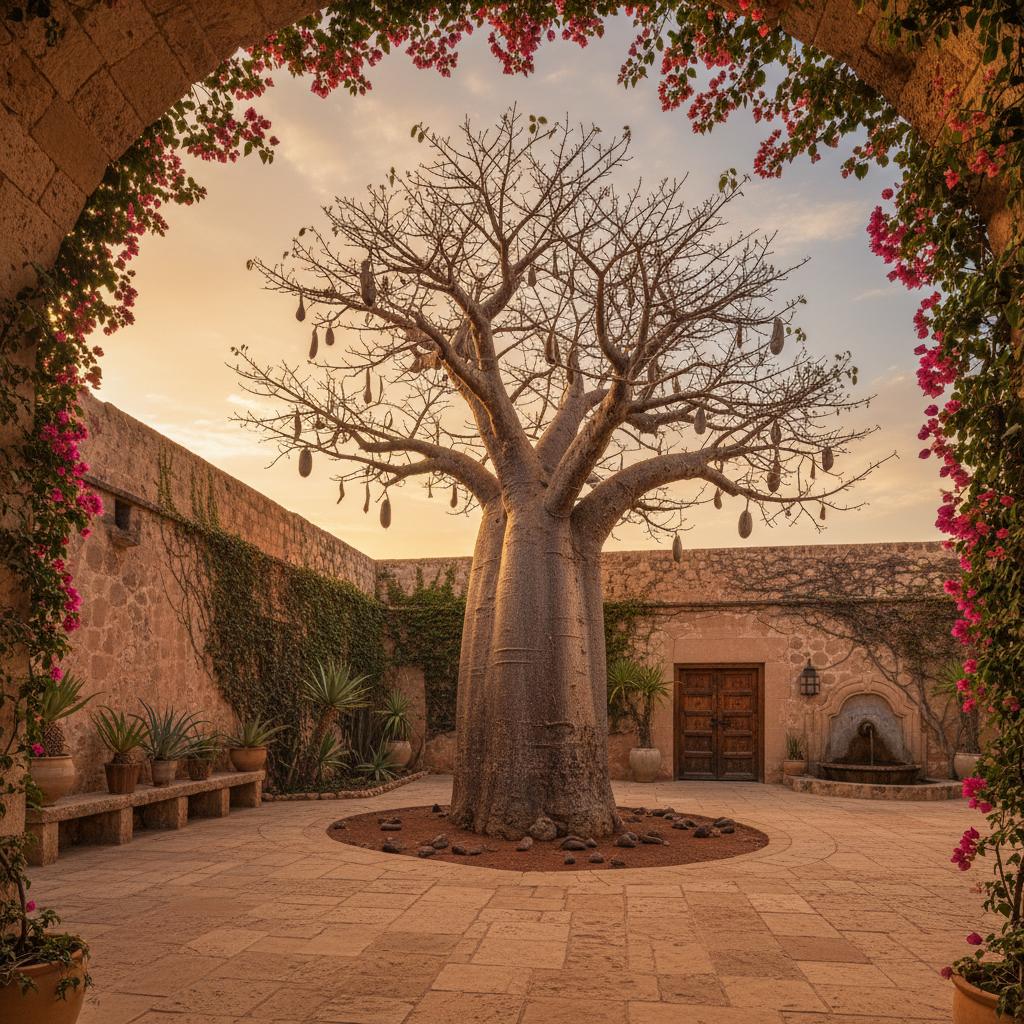
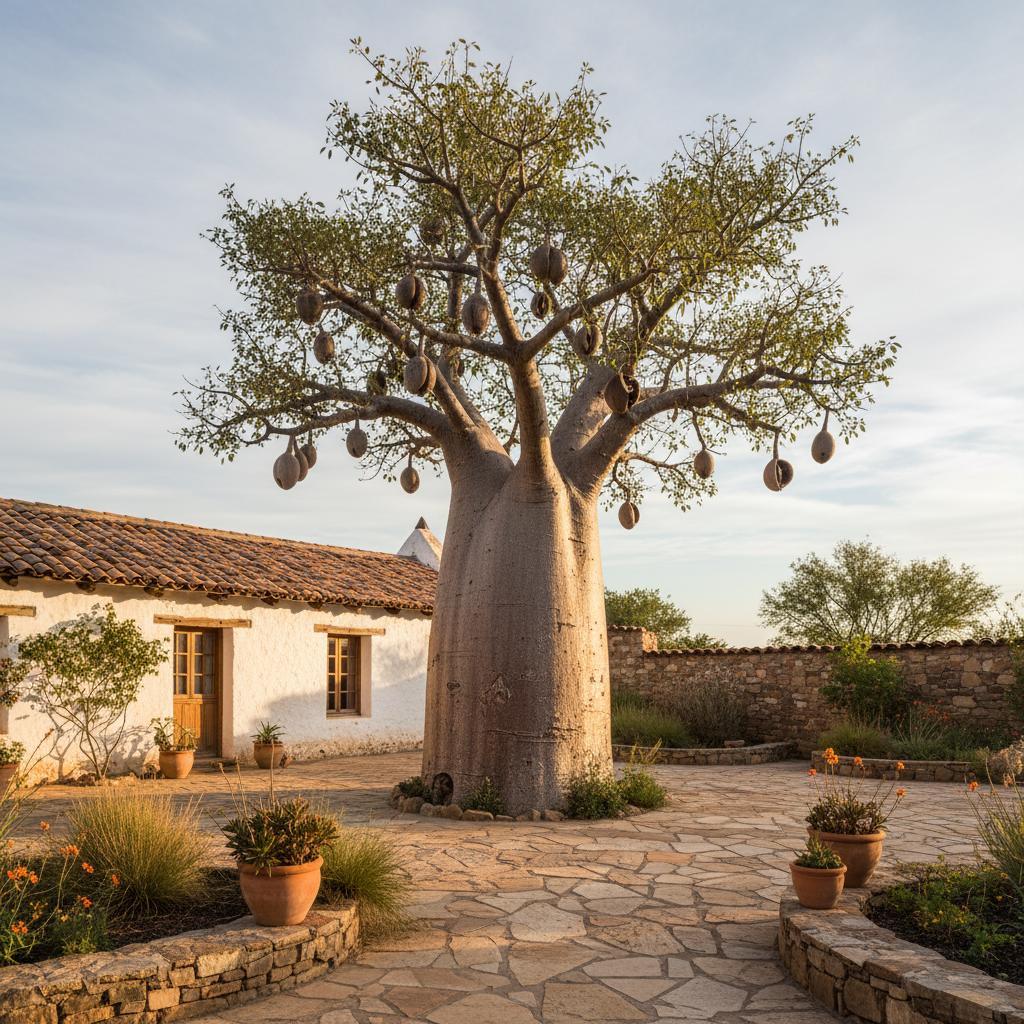
- Stem/Bark: Green succulent trunk with sharp conical spines when young; smoother, grayish bark as it matures
Care Guide
Watering
Water deeply every 7–10 days; increase frequency during prolonged dry spells
Fertilization
Apply diluted balanced fertilizer once monthly. Use low-nitrogen fertilizer to prioritize flowering over excessive foliage growth
Eggshell powder topdressing:Crush dried eggshells into fine powder; sprinkle 1–2 tbsp around the base of the tree; water lightly to release calcium into the soilPruning
- Remove dead or damaged branches in late spring immediately after flowering
- Thin crowded inner branches to improve airflow and light penetration
- Trim back leggy growth to maintain a compact form in container-grown specimens
- Remove spent flower heads to encourage tidier growth
Toxicity
Warning: this plant may be toxic.
Pets & Humans
Pets: ASPCA: No documented toxicity to cats
Humans: No known toxic effects for humans with ingestion or contact
Garden Uses & Culture
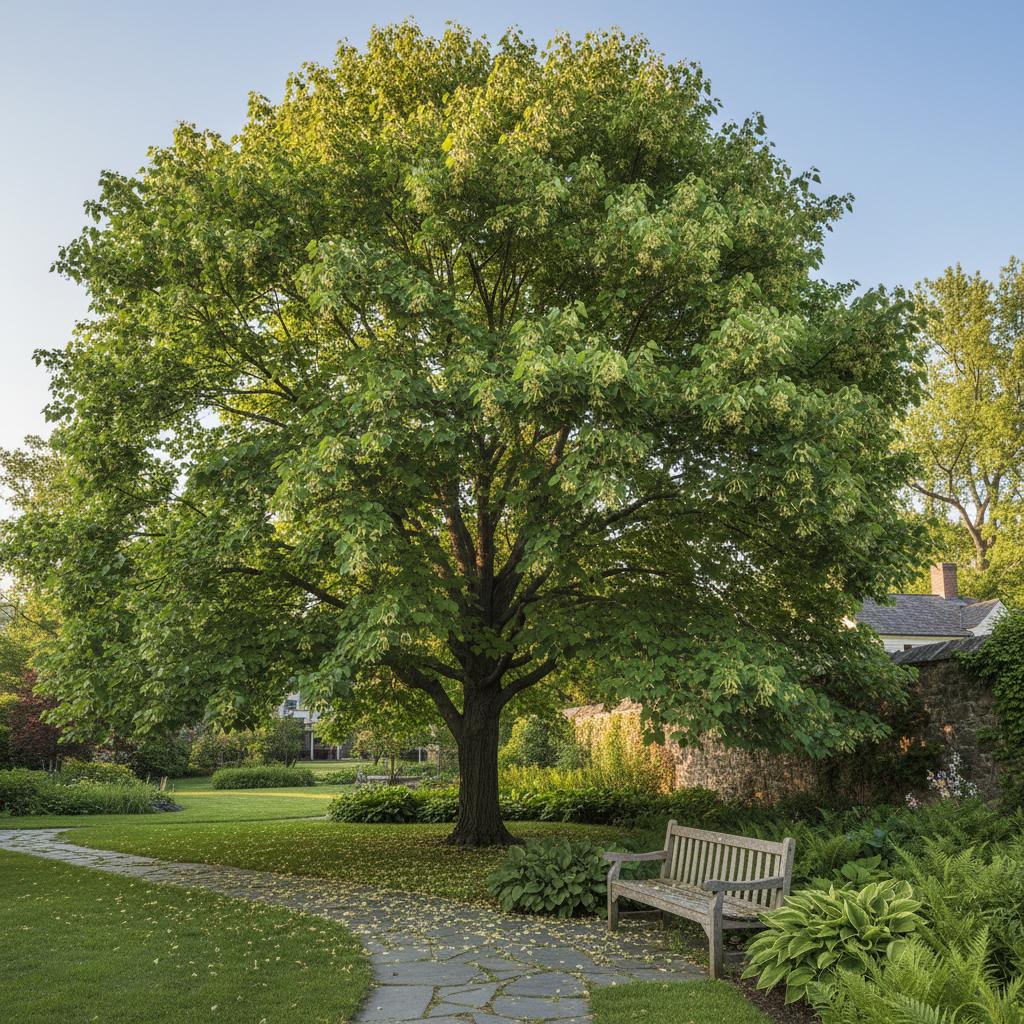
Culture: Blooms symbolize renewal in dry-season landscapes
Usage: Ornamental tree for gardens and xeriscaping; nectar source for hummingbirds and native pollinators