 PlantFun
Plant Needs
Characteristics
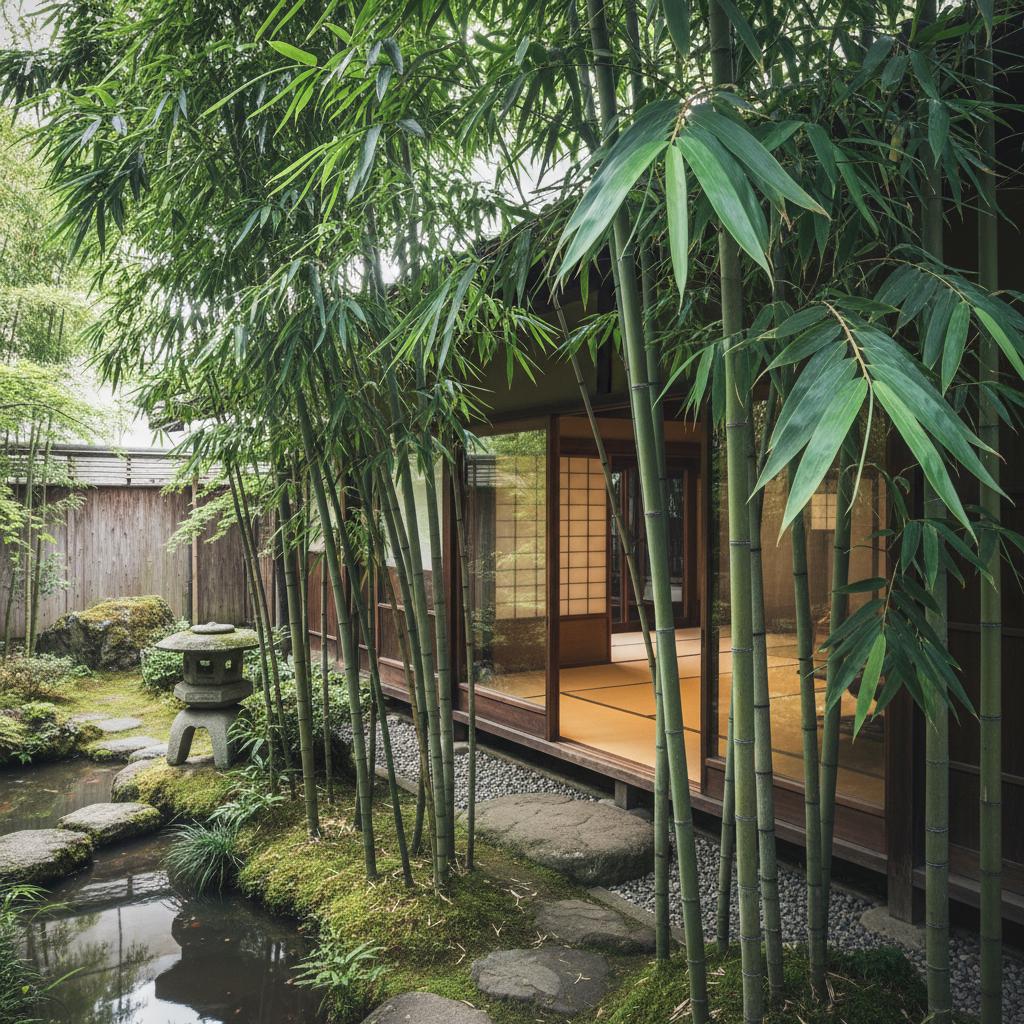
- Leaves: Large, palm-like, up to 25 cm long and 4 cm wide, dark green above and silvery-glaucous beneath, glabrous;
- Culms: Slender, erect, olive green, typically 5-15 mm in diameter, featuring a single branch per node in the upper portion;
- Sheaths: Persistent, wrapping tightly around the culm, often bristly at the base;
- Rhizomes: Vigorous leptomorph (running) rhizomes that spread aggressively underground.
Care Guide
Water deeply when the top inch of soil feels dry to maintain consistent moisture for active rhizome growth.
Apply a high-nitrogen fertilizer to encourage lush, leafy growth and new culm development.. Bamboos are heavy feeders during their active growing season.
Coffee Grounds Tea:Steep used coffee grounds in water overnight and use the liquid to water the bamboo; provides a gentle nitrogen boost for lush foliage. Avoid applying thick layers of uncomposted grounds directly to the soil surface to prevent mold and water-repellency.- Containment: Install a high-density polyethylene root barrier 60-80 cm deep around the planting area to prevent aggressive spreading;
- Maintenance: Cut dead, damaged, or unsightly older culms down to the ground level in late winter or early spring;
- Thinning: Thin out crowded clumps to improve air circulation and highlight the most vigorous stems.
Toxicity
Warning: this plant may be toxic.
Pets: Non-toxic to cats per ASPCA guidelines.
Humans: Non-toxic to humans; shoots of many bamboos are edible, though this species is primarily ornamental.
Garden Uses & Culture
Culture: N/A
Usage: - **Landscape**: Excellent for creating dense privacy screens, windbreaks, and hedges due to its large, overlapping leaves; - **Containers**: Adapts very well to large planters and troughs, which naturally restricts its running habit; - **Historical**: The straight, stiff culms were historically harvested to make arrow shafts.