PlantFun
Plant Needs
Sunlight
Prefers partial shade to dappled sunlight; tolerates full sun in cool temperate regions but requires protection from intense midday heat
Watering
Water deeply when the top 2 cm of soil feels dry; avoid overwatering to prevent root rot
Temperature
Hardy to -5°C for short periods; thrives in 15–25°C during active growth
Characteristics
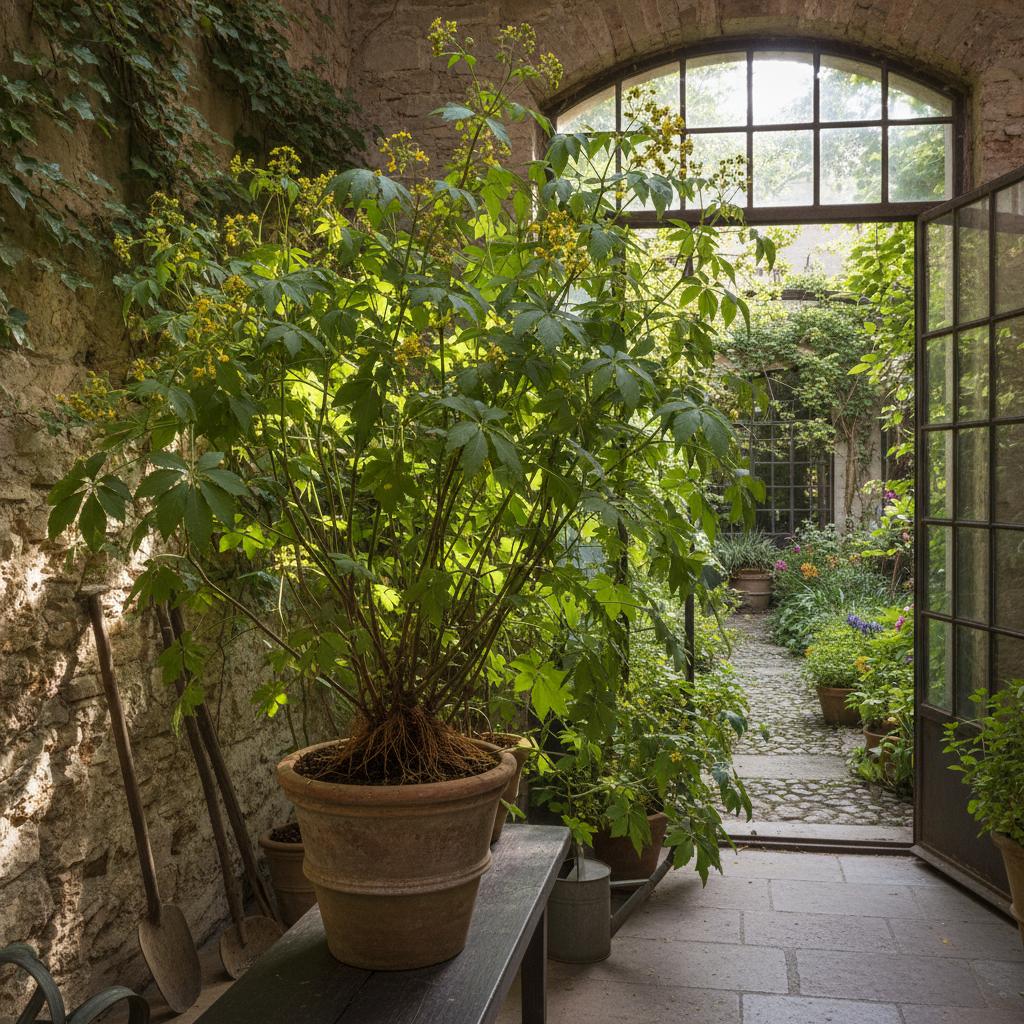
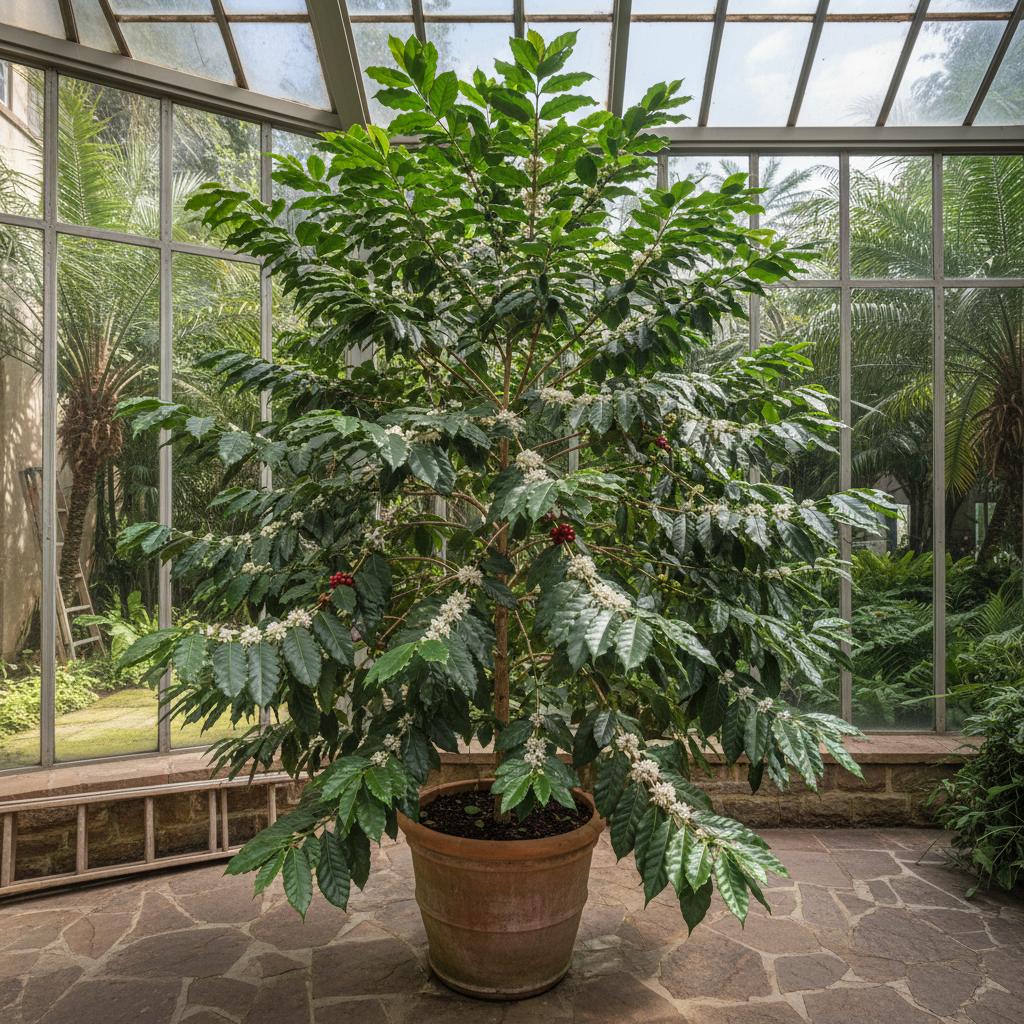
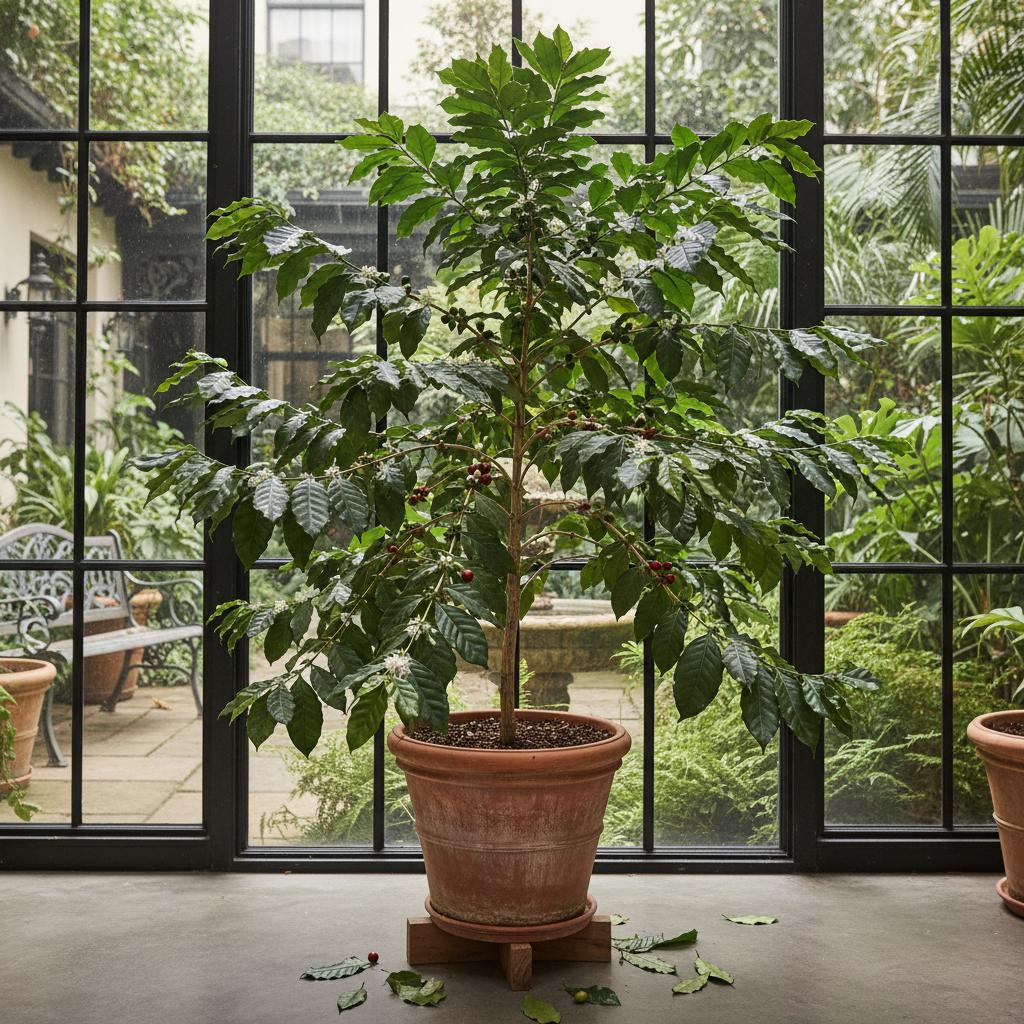
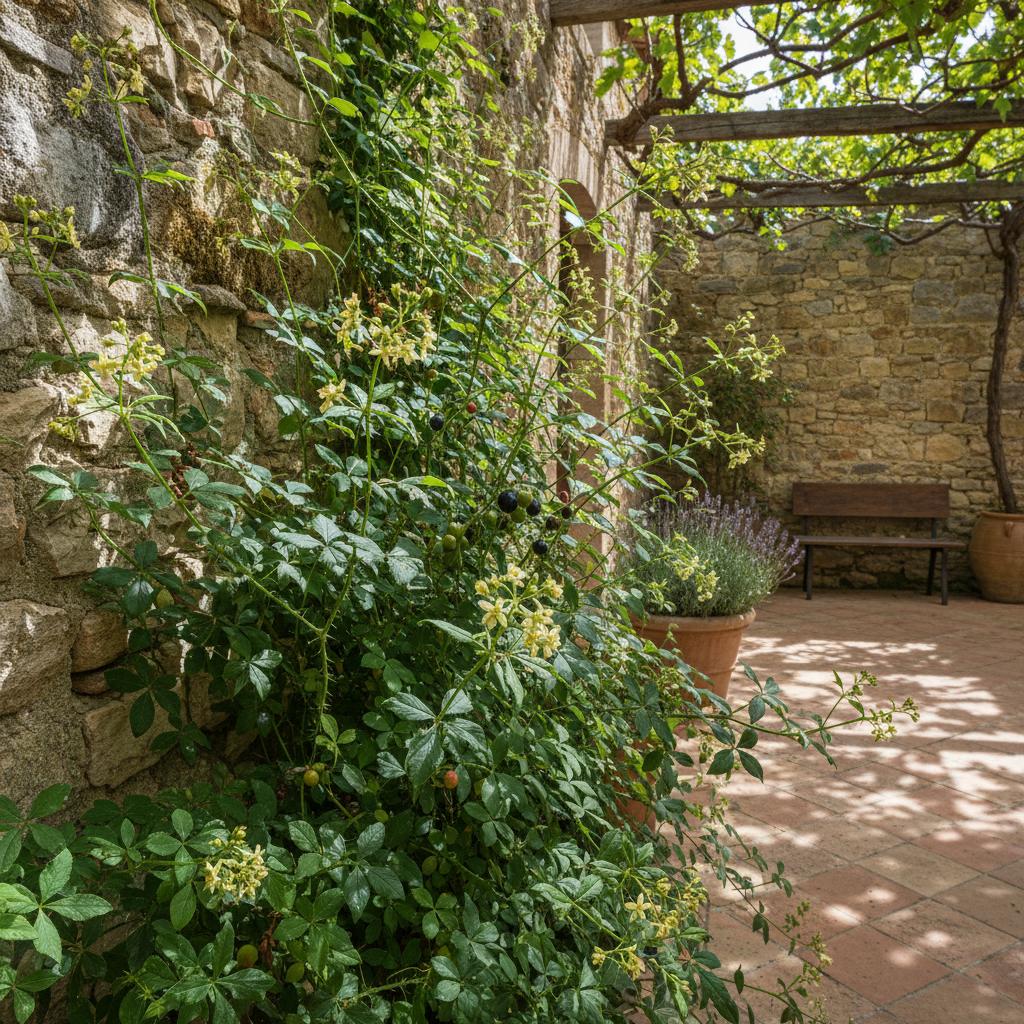
- Leaf: Whorled, lanceolate glossy green leaves with rough, slightly serrated margins and small prickles on veins
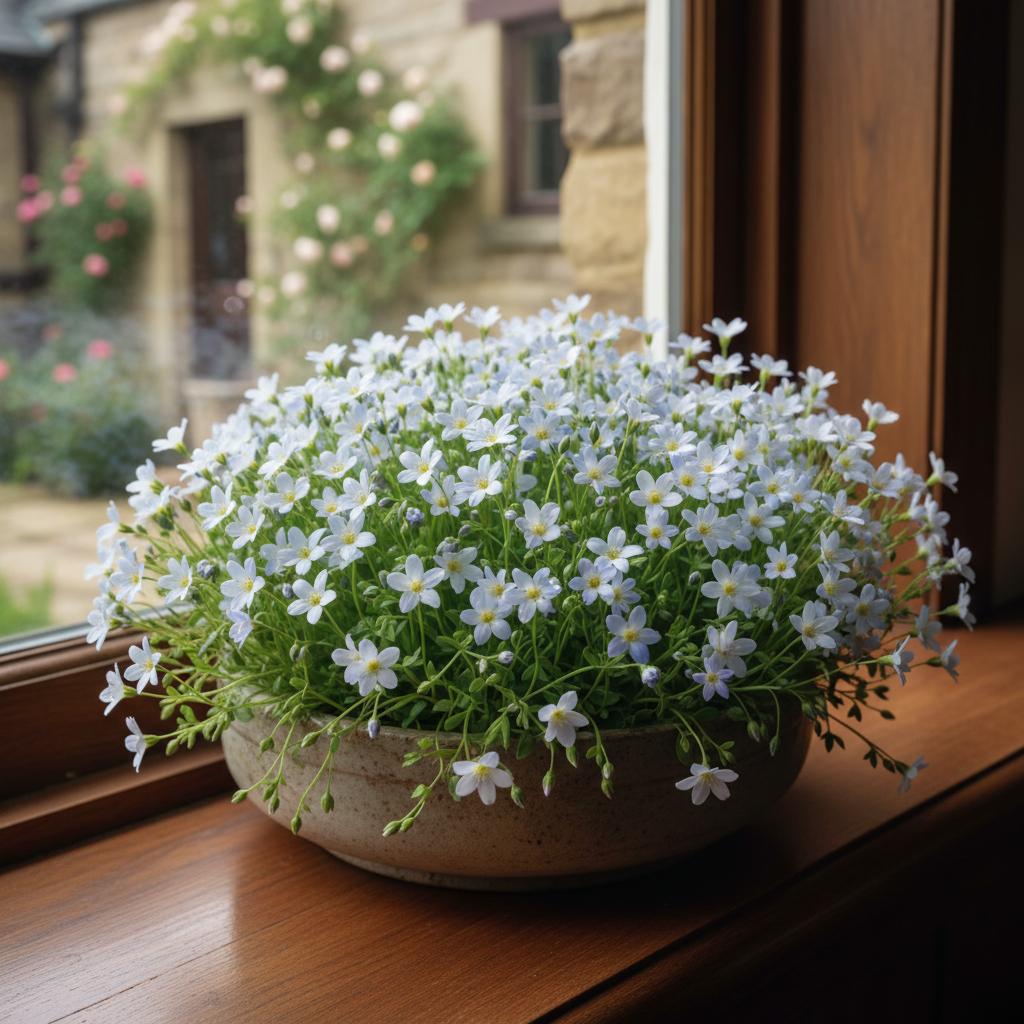
- Flower: Small, star-shaped pale yellow or white flowers in dense terminal clusters
- Stem: Slender, four-angled stems with tiny hooked hairs for climbing and anchoring to vegetation
Care Guide
Watering
Keep soil consistently moist but not waterlogged
Fertilization
Diluted balanced liquid feed every 4 weeks. Avoid over-fertilizing to prevent excessive foliage growth at the expense of flowering
Eggshell powder topdress:Sprinkle finely ground, dried eggshells around the plant base; avoid direct contact with stems to prevent fungal rotPruning
- Trim back overgrown or leggy stems in early spring to maintain compact growth
- Remove dead or yellowing foliage to improve airflow and reduce disease risk
- Cut back spent flowering stems after bloom to encourage new vegetative growth
Toxicity
Warning: this plant may be toxic.
Pets & Humans
Pets: ASPCA: No specific entry, but ingestion of plant material may cause vomiting, diarrhea, or lethargy
Humans: Contains anthraquinone glycosides; ingestion may cause mild gastrointestinal upset including nausea and abdominal cramping
Garden Uses & Culture
Culture: N/A
Usage: Traditional natural red dye source from dried roots; groundcover for woodland gardens