PlantFun
Plant Needs
Sunlight
Partial to full sun; tolerates dappled shade in hot, arid regions to prevent leaf scorch
Watering
Water deeply when the top 2–3 cm of soil dries out; drought-tolerant once established
Temperature
Hardy to -15°C; prefers cool temperate conditions; avoid prolonged heat above 32°C
Characteristics
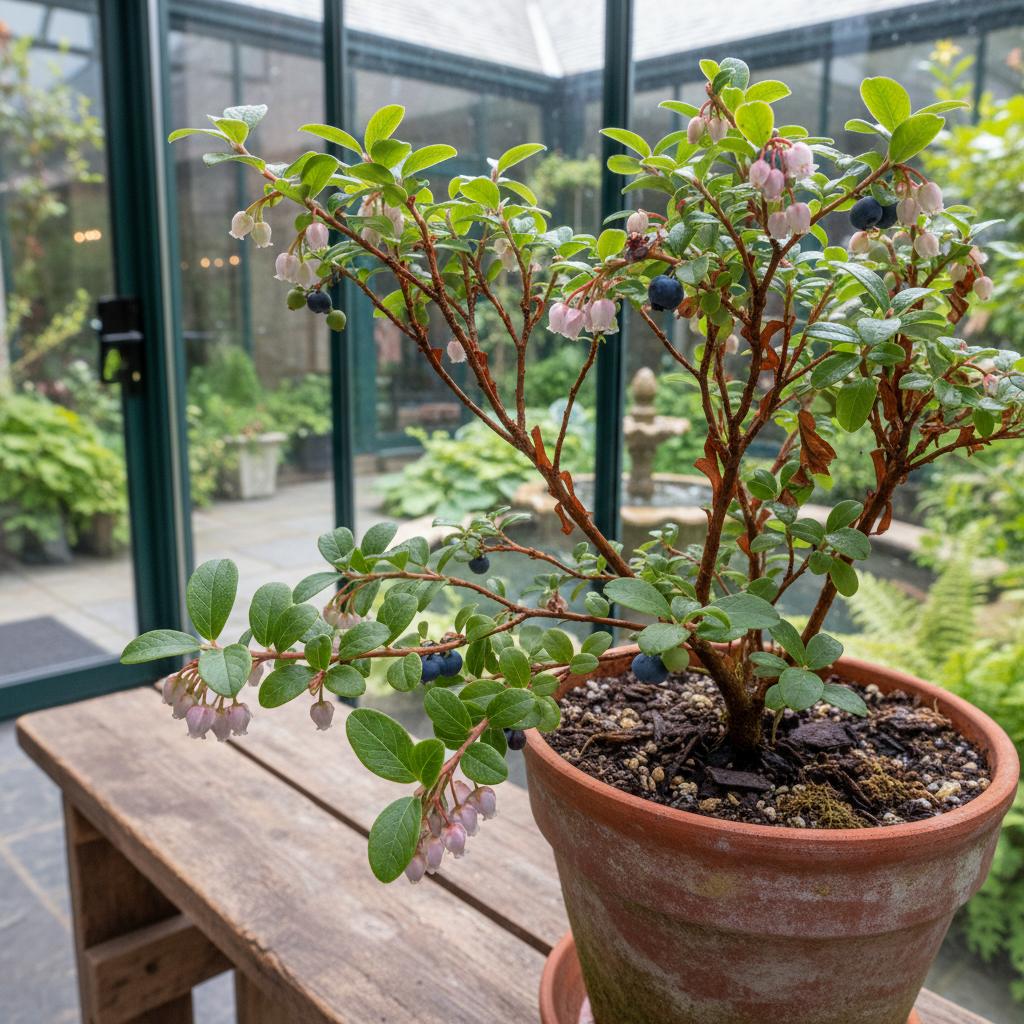
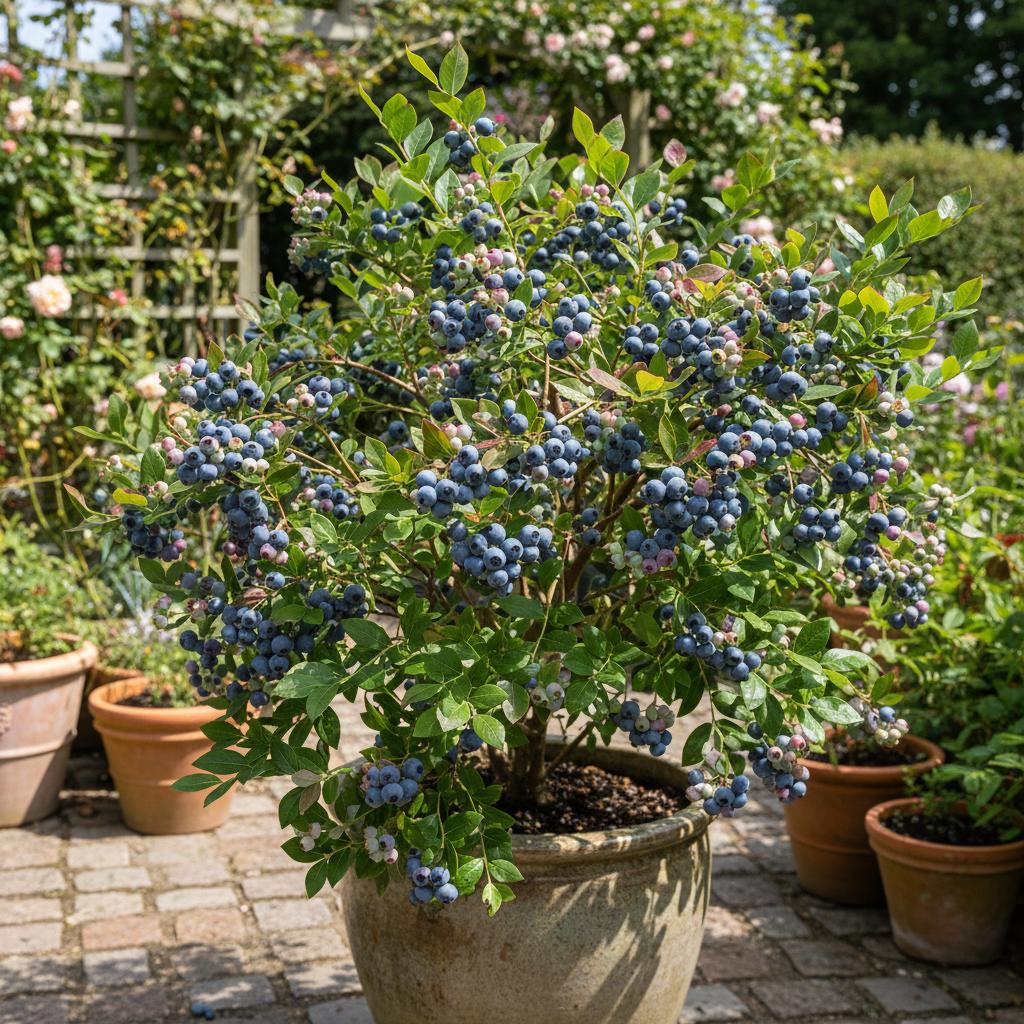
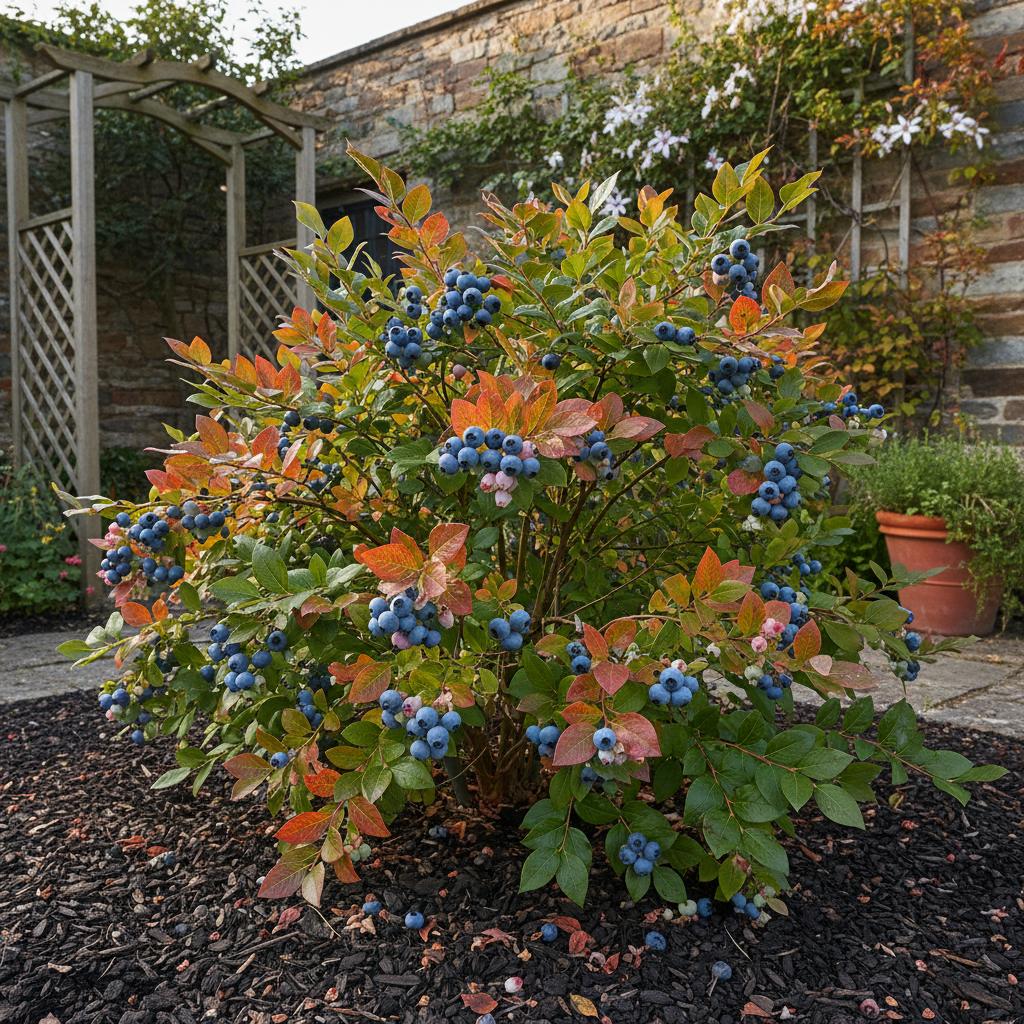
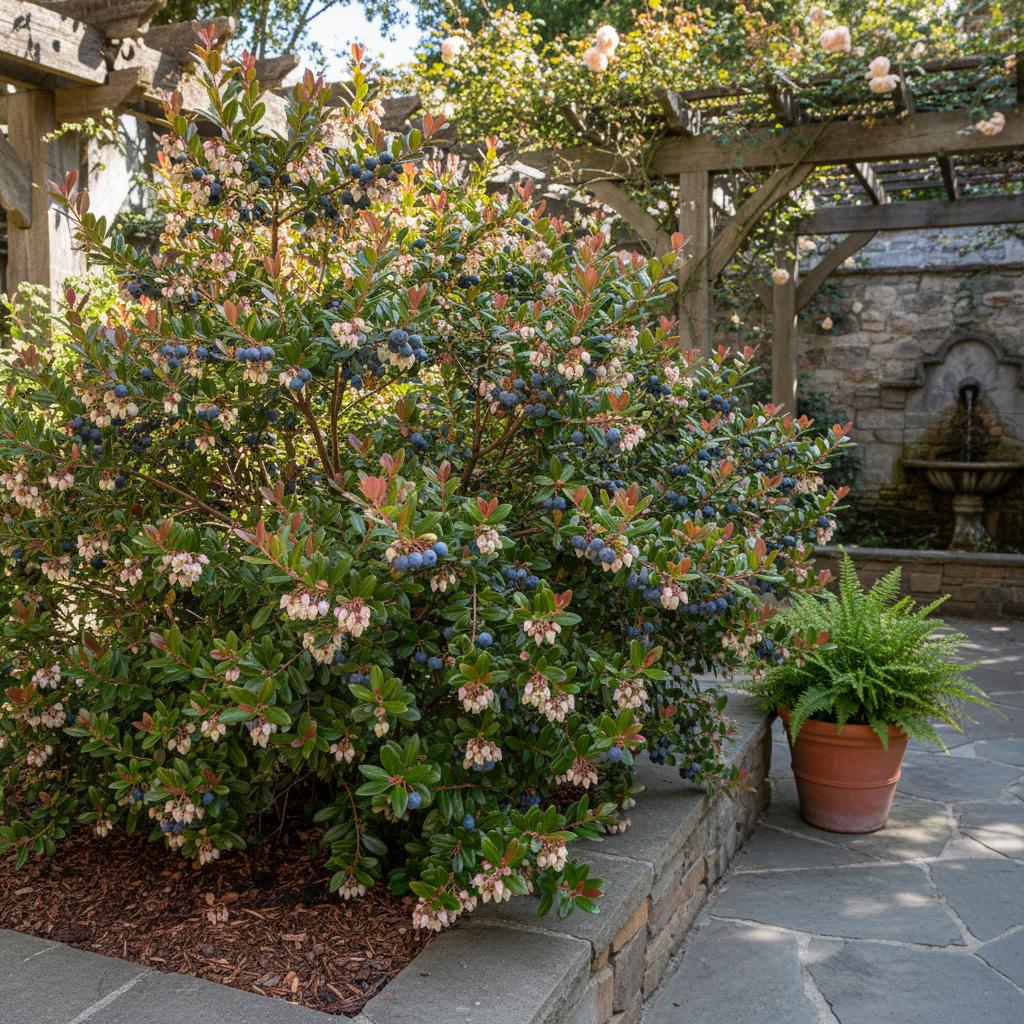
- Leaf: Small, oval, glossy dark green leaves with finely serrated margins; retains foliage year-round
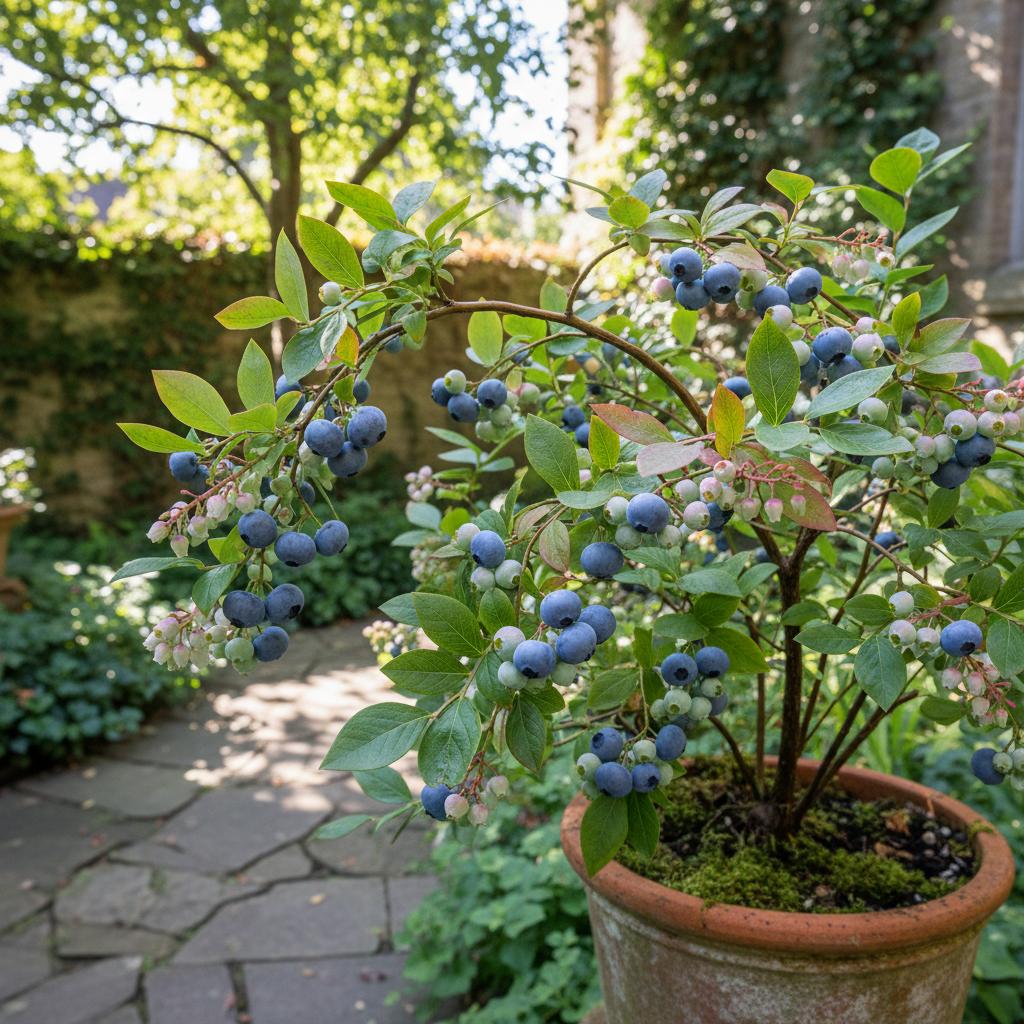
- Flower: Bell-shaped, pinkish-white blooms in drooping clusters
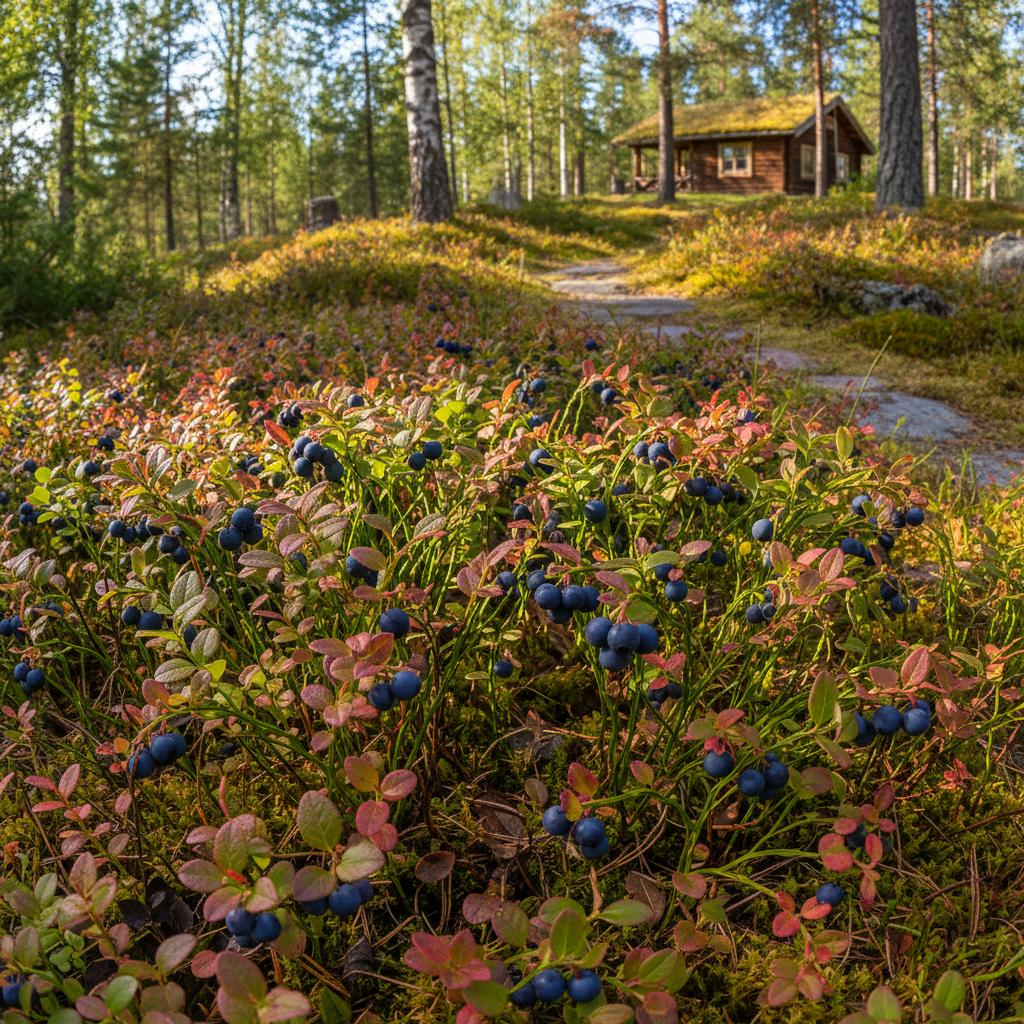
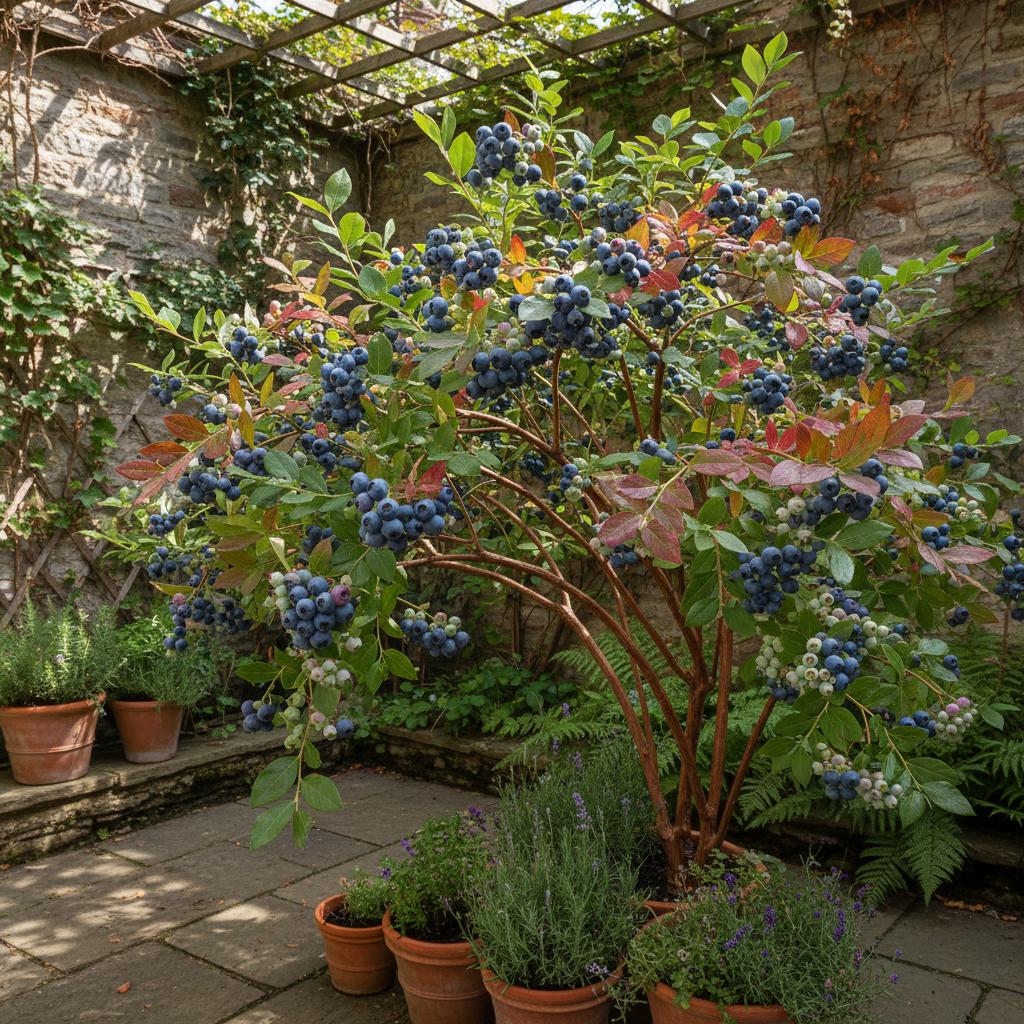
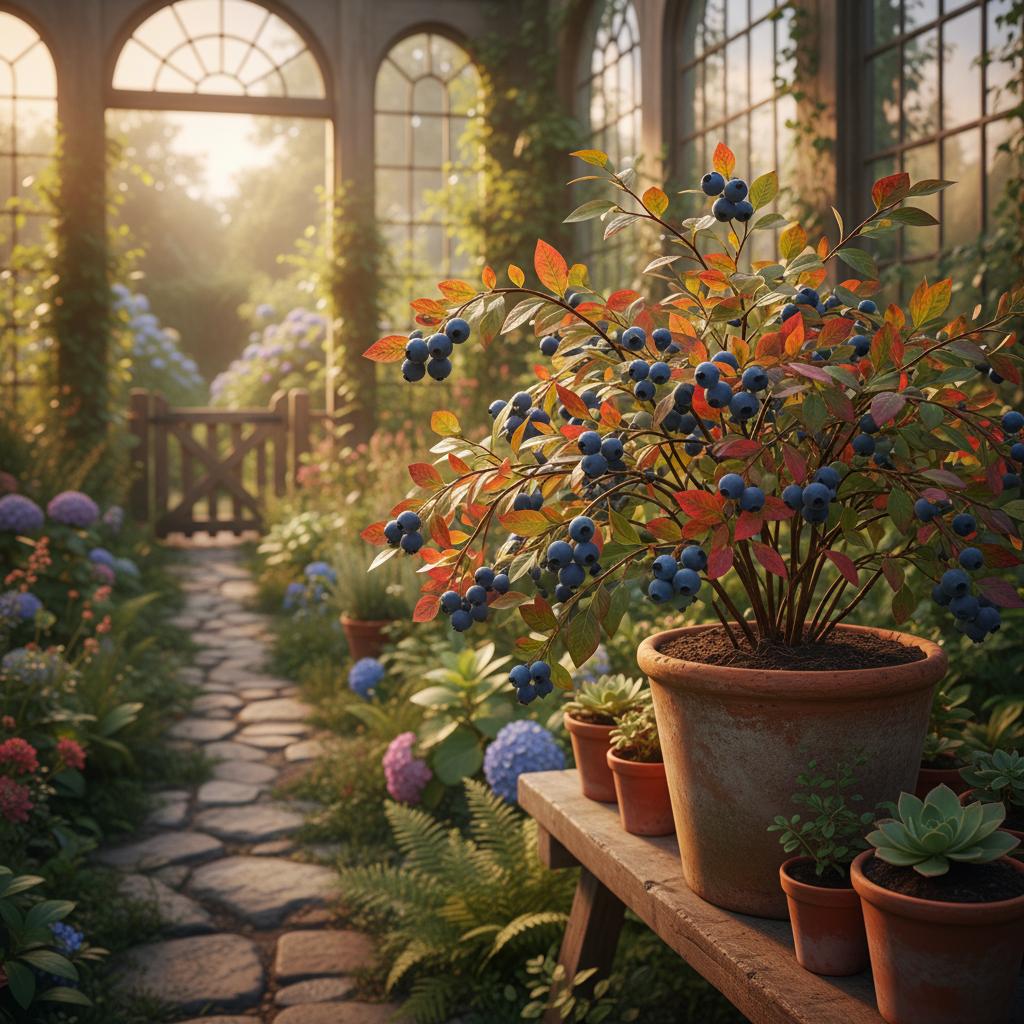
- Fruit: Edible, dark purple to black berries ripening in late summer
Care Guide
Watering
Keep soil evenly moist during active growth; avoid waterlogging
Fertilization
Apply acidic organic fertilizer once at bud break. Use low-nitrogen, acid-forming fertilizer to support berry production
Composted coffee grounds:Mix fully composted coffee grounds into topsoil to lower pH and add slow-release nutrients; avoid raw grounds to prevent mold growthPruning
- Thin overcrowded branches in late winter to improve airflow and light penetration
- Remove dead or damaged stems annually after flowering to maintain plant health
- Shape lightly to preserve compact form; avoid heavy pruning that reduces berry production
Toxicity
Warning: this plant may be toxic.
Pets & Humans
Pets: ASPCA: Non-toxic to cats; no adverse effects reported
Humans: No known toxicity to humans; berries are edible when ripe
Garden Uses & Culture
Culture: N/A
Usage: Edible berries for jams, pies, and fresh eating; ornamental hedge or border plant