 PlantFun
Plant Needs
Sunlight
Prefers full sun for optimal blooming but can tolerate light partial shade.
Watering
Moderate watering required; allow the top inch of soil to dry out completely between waterings.
Temperature
Highly cold hardy (USDA zones 3-8); tolerates summer heat well if provided with adequate moisture.
Characteristics
- Leaves: Opposite, simple, lanceolate to narrowly ovate, 2-5 cm long, with serrated or toothed margins and a slightly hairy surface;
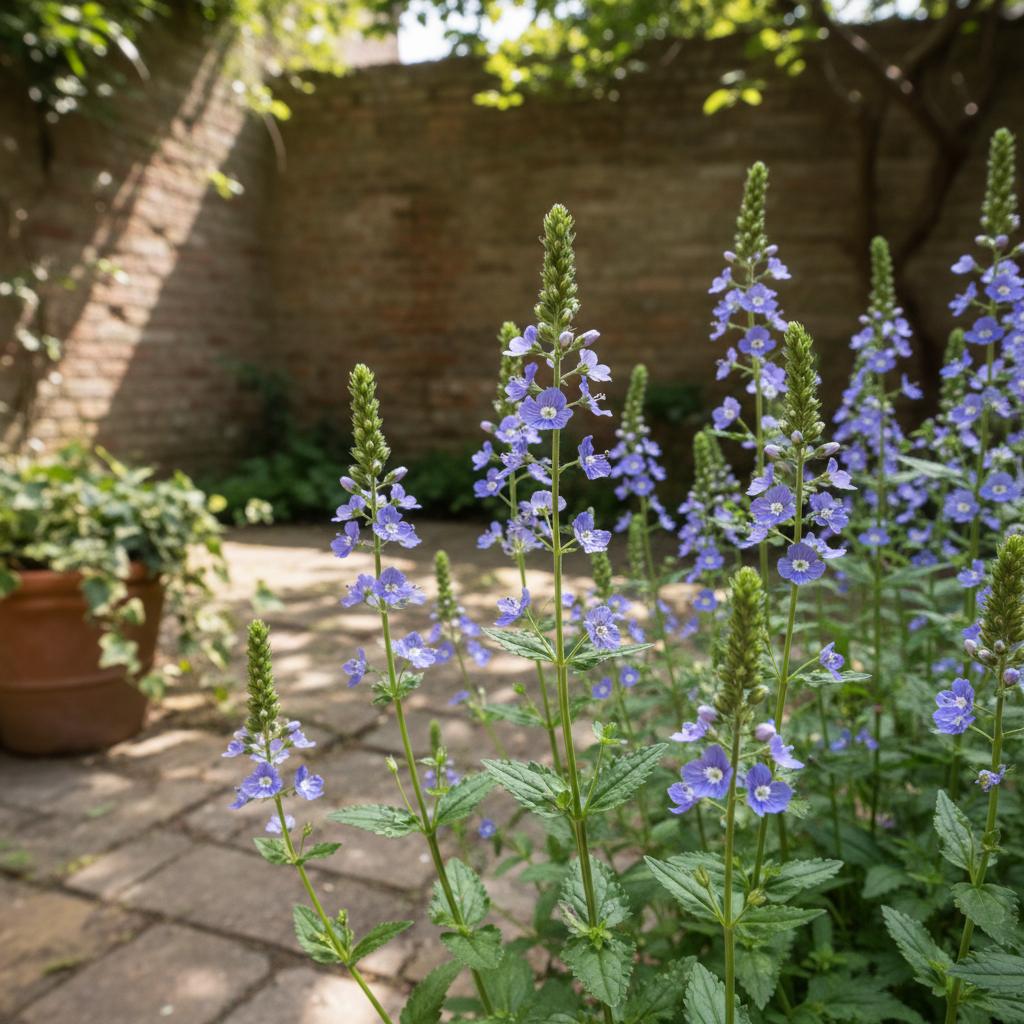
- Flowers: Small, star-shaped with four unequal petals, densely packed into upright terminal spikes (racemes), predominantly blue, purple, pink, or white, featuring two prominent stamens;
- Stems: Upright, slender, often slightly pubescent, forming dense, bushy clumps.
Care Guide
Watering
Water deeply once a week, increasing frequency only during prolonged extreme heat or drought.
Fertilization
Apply a light layer of compost or a balanced, slow-release fertilizer as new growth emerges.. Speedwells are light feeders and thrive in average soils.
Banana Peel Tea:Soak chopped banana peels in water for 24 hours. Strain and use the liquid to water the base of the plant to encourage vibrant blooming. Discard peels in compost to avoid attracting pests.Pruning
- Deadhead spent flower spikes regularly to encourage a second flush of blooms later in the season;
- Cut back the entire plant to basal growth in late autumn or early spring to tidy the garden;
- Divide overcrowded clumps every 3-4 years in early spring to maintain plant vigor and prevent center die-out.
Toxicity
Warning: this plant may be toxic.
Pets & Humans
Pets: Non-toxic per ASPCA guidelines.
Humans: No known toxicity; historically used in traditional herbal teas.
Garden Uses & Culture
Culture: In Christian folklore, the genus is associated with Saint Veronica, who wiped the face of Jesus; the flower's markings were historically said to resemble the markings on her veil.
Usage: Widely used in perennial borders, rock gardens, cottage gardens, and as cut flowers. Highly attractive to bees, butterflies, and other pollinators.