 PlantFun
Plant Needs
Sunlight
Thrives in full sun to partial shade; tolerates light shade but produces fewer blooms in low light
Watering
Keep soil consistently moist but not waterlogged; avoid allowing the root zone to dry out completely during active growth
Temperature
Frost-hardy to approximately -5°C; prefers cool temperate growing conditions, avoiding extreme heat above 30°C
Characteristics
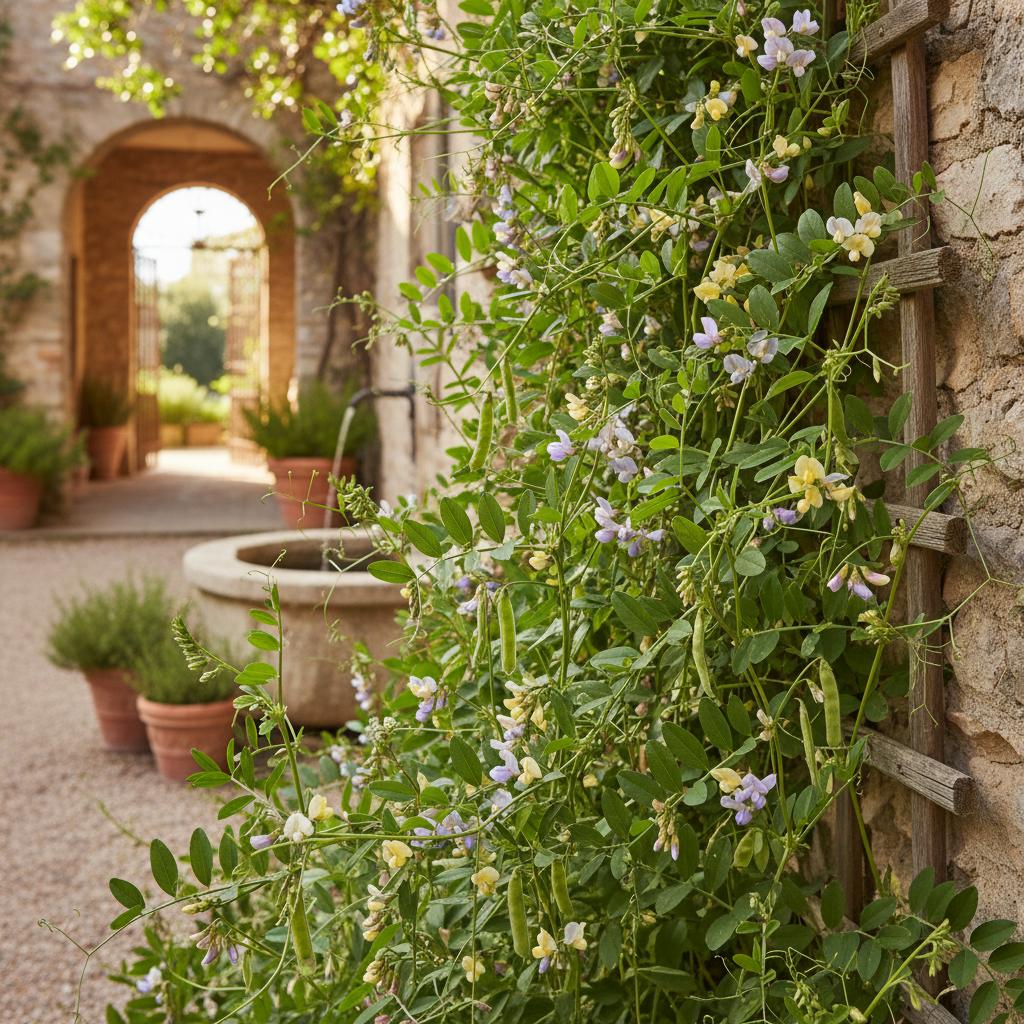
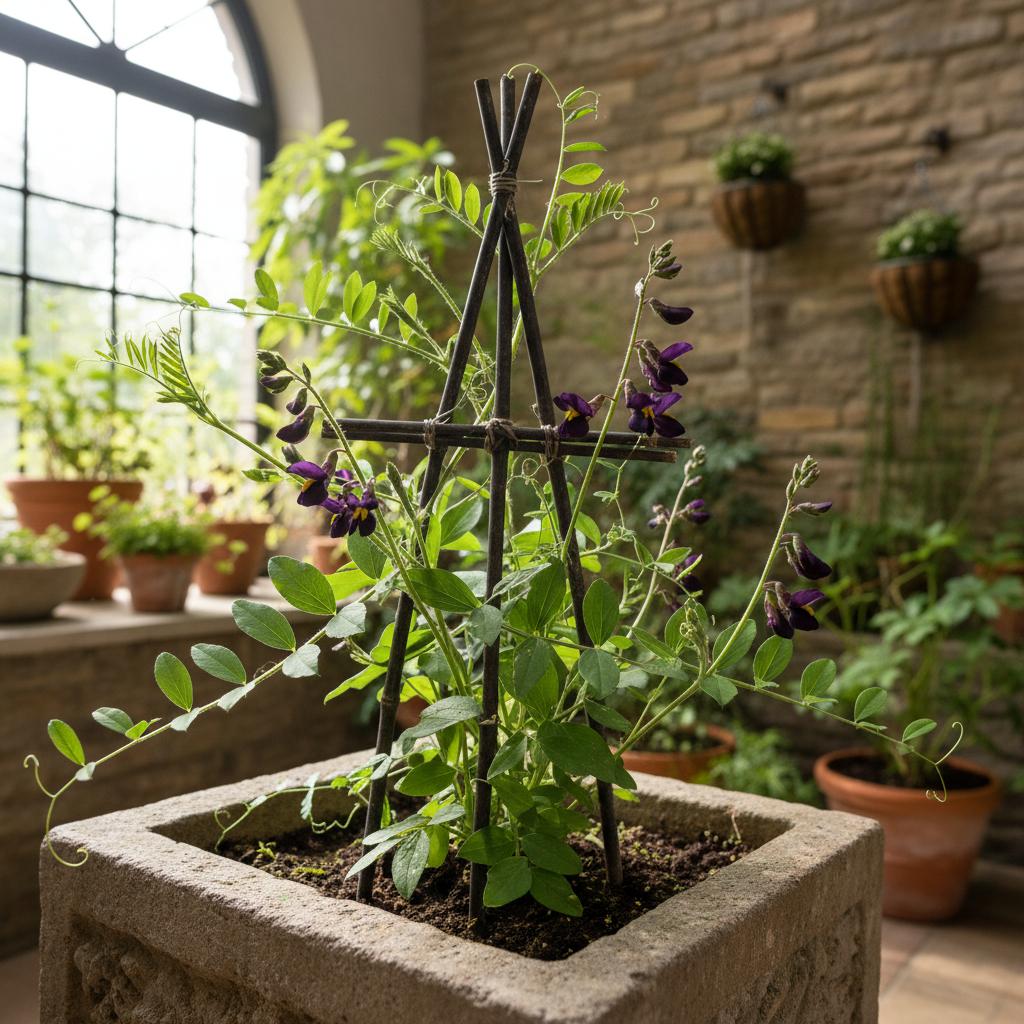
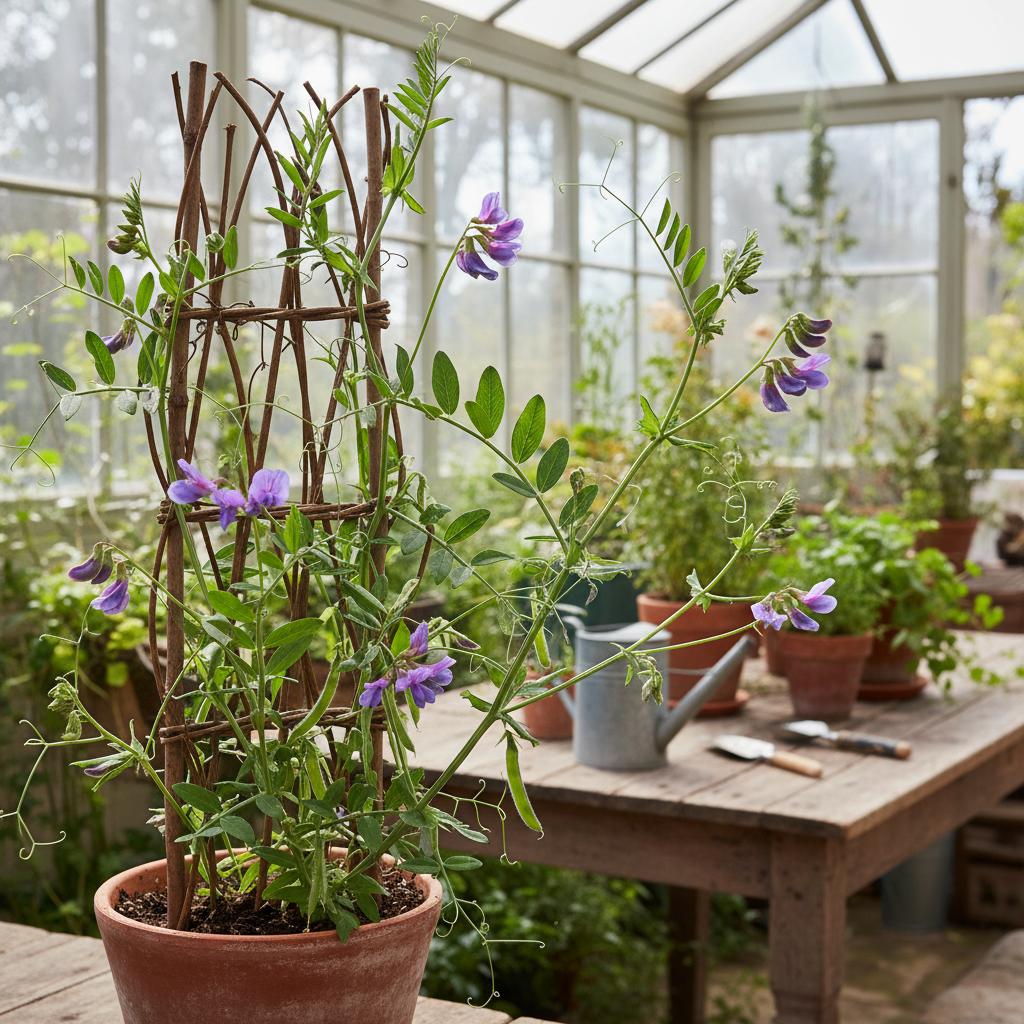
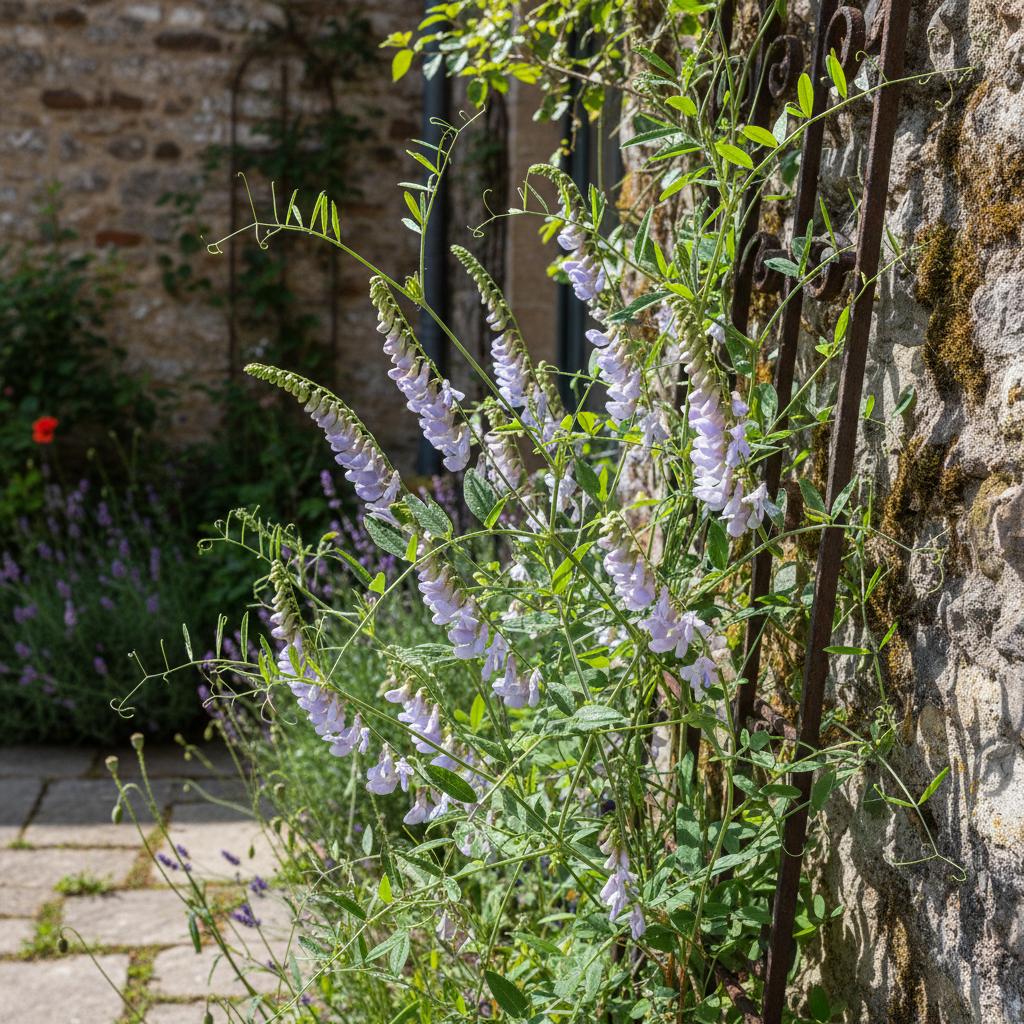
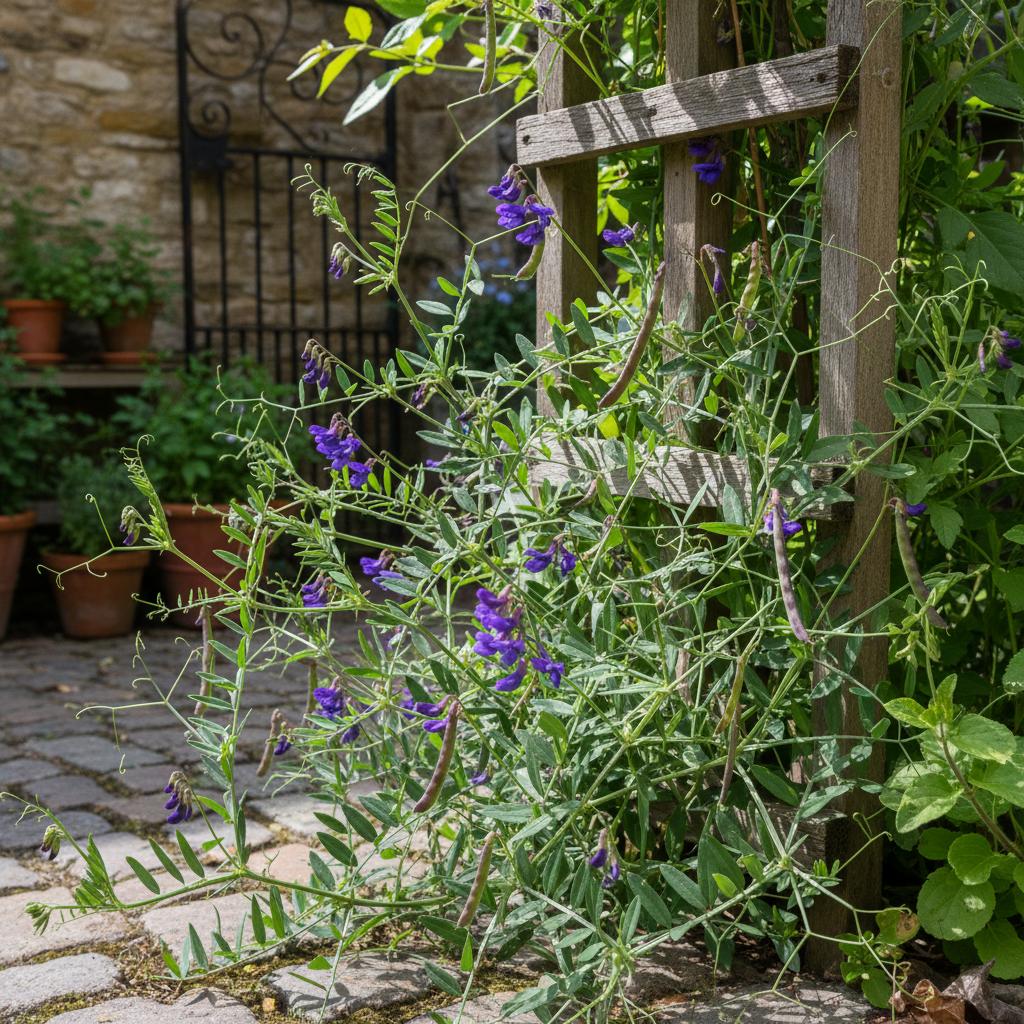
- Leaf: Pinnately compound with 4–12 narrow linear to lanceolate leaflets, ending in a coiled tendril for climbing
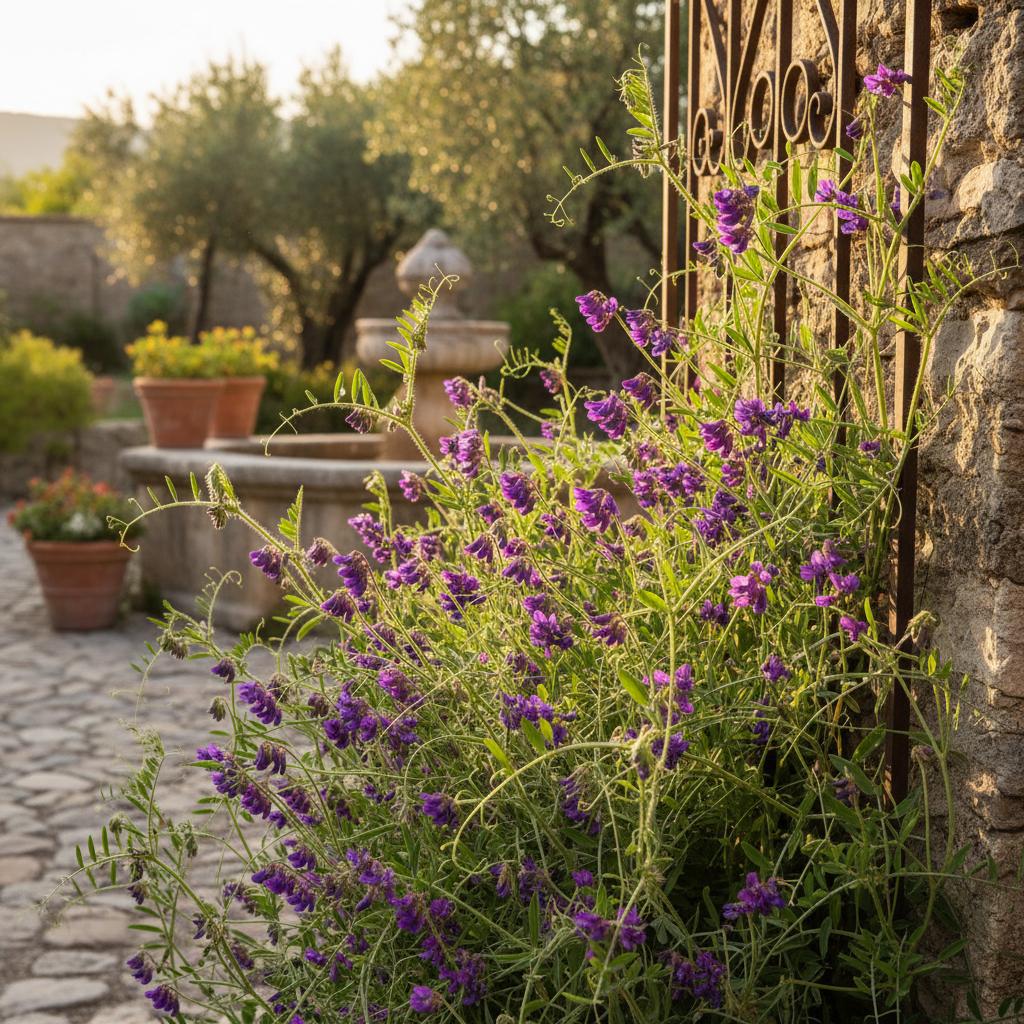
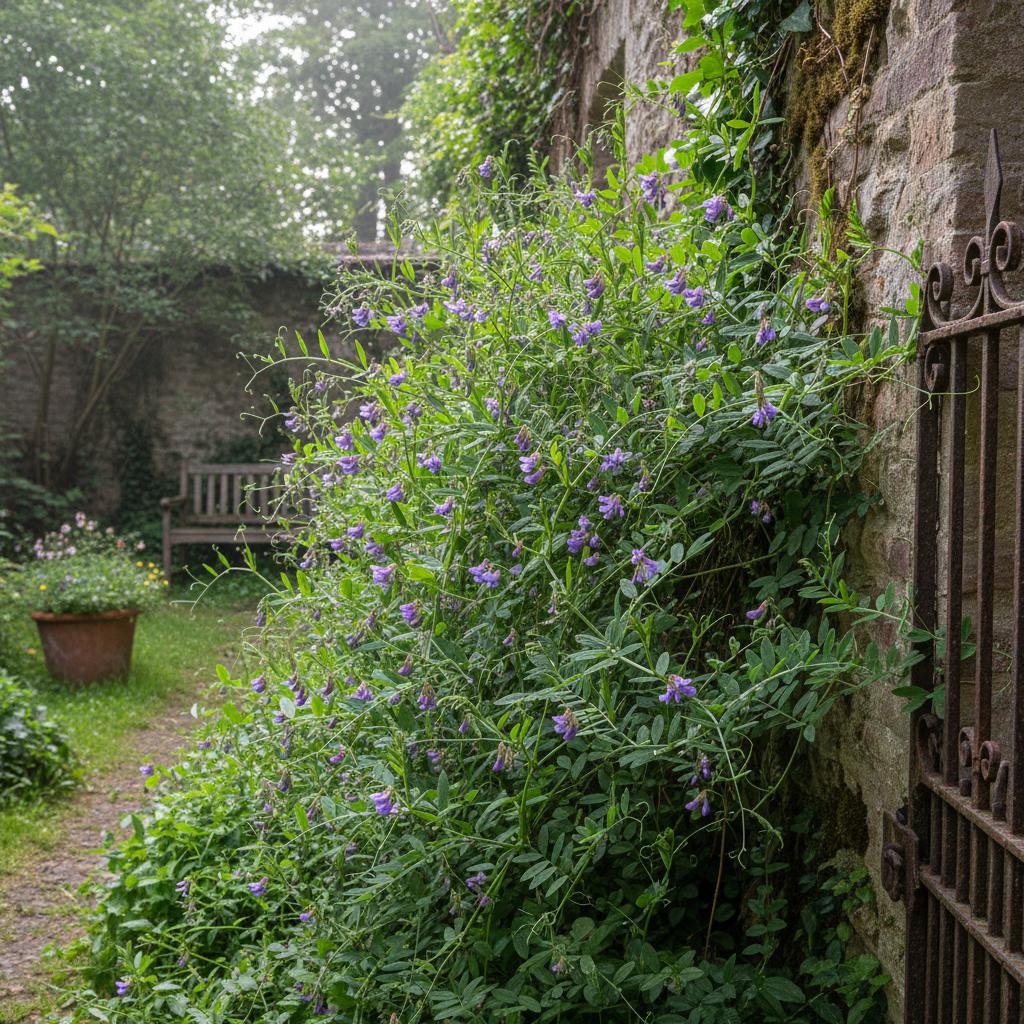
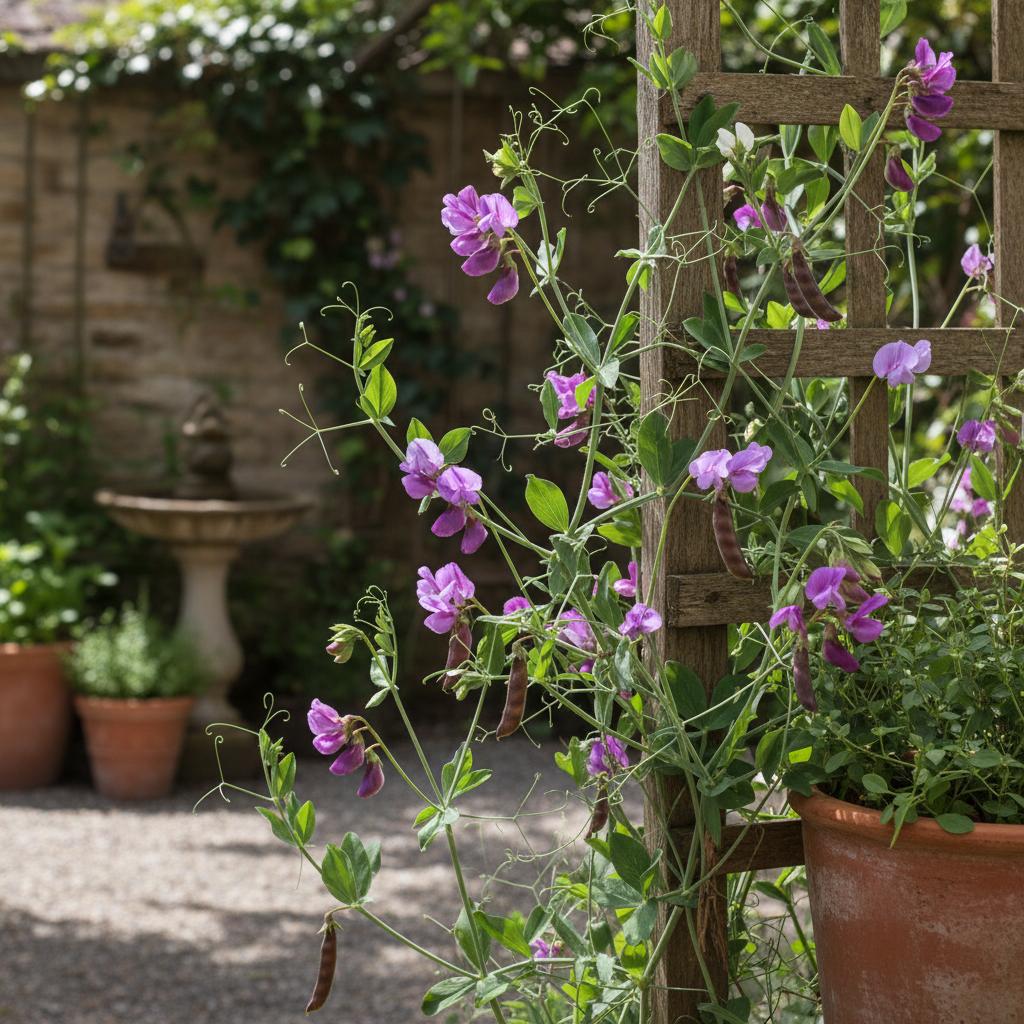
- Flower: Small pea-like blooms, 5–8 mm long, purple to pinkish-white, clustered in groups of 1–3
- Stem: Slender, angular, and hairless to sparsely hairy, using tendrils to anchor to surrounding vegetation
Care Guide
Watering
Maintain consistent soil moisture during active growth and flowering
Fertilization
Apply diluted balanced liquid fertilizer every 2 weeks. Avoid over-fertilization, which can lead to excessive foliage growth at the expense of blooms
Composted banana peel tea:Steep fully composted banana peels in water for 24 hours, dilute 1:20, and apply as a root drench to support floweringPruning
- Trim back spent flower heads to prevent excessive self-seeding
- Remove dead or yellowing foliage to improve airflow and reduce disease risk
- Thin dense growth in mid-spring to promote even flowering
Toxicity
Warning: this plant may be toxic.
Pets & Humans
Pets: ASPCA: Not specifically listed, but related Vicia species may cause mild gastrointestinal distress if ingested in large amounts
Humans: Contains low levels of cyanogenic glycosides; ingestion of large quantities may cause mild gastrointestinal upset
Garden Uses & Culture
Culture: N/A
Usage: Cover crop to improve soil nitrogen content; forage for livestock; ornamental ground cover in wildflower gardens